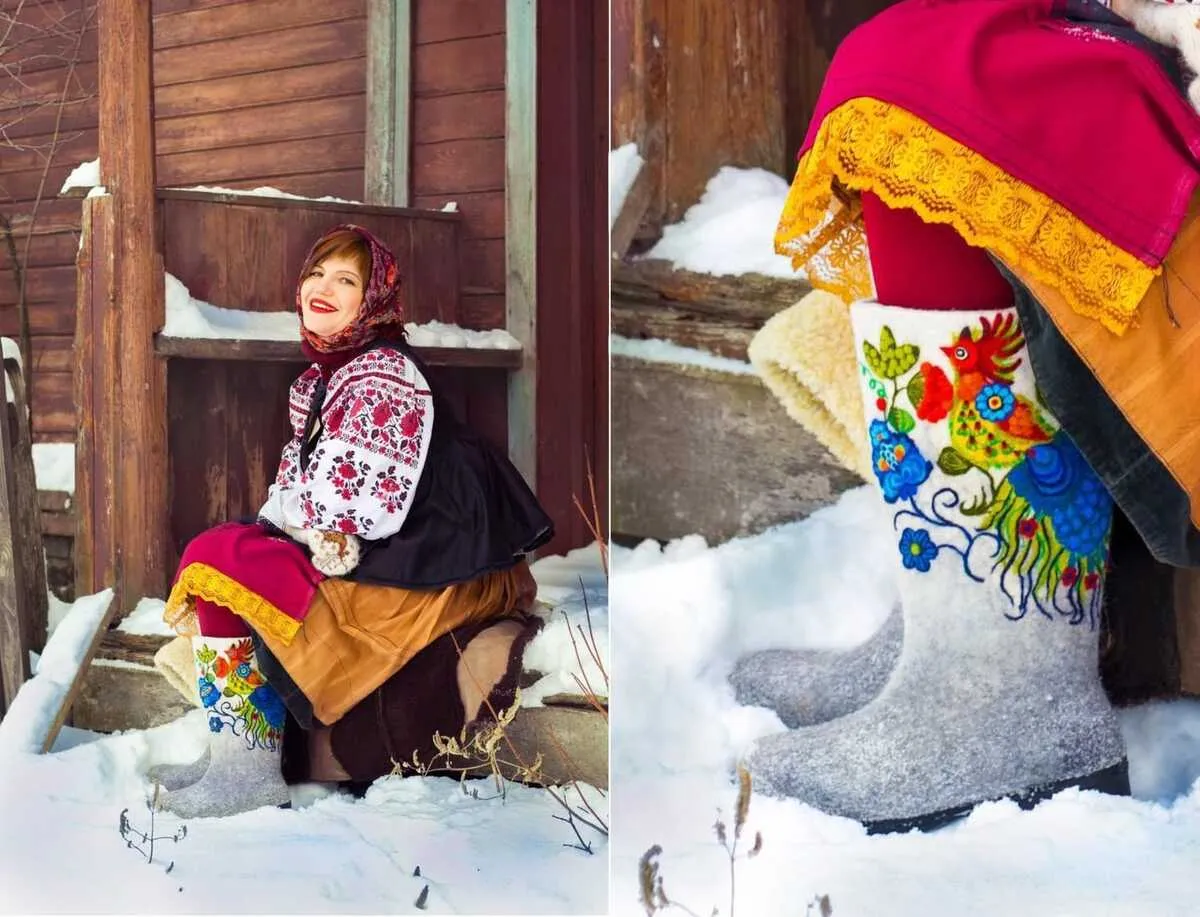
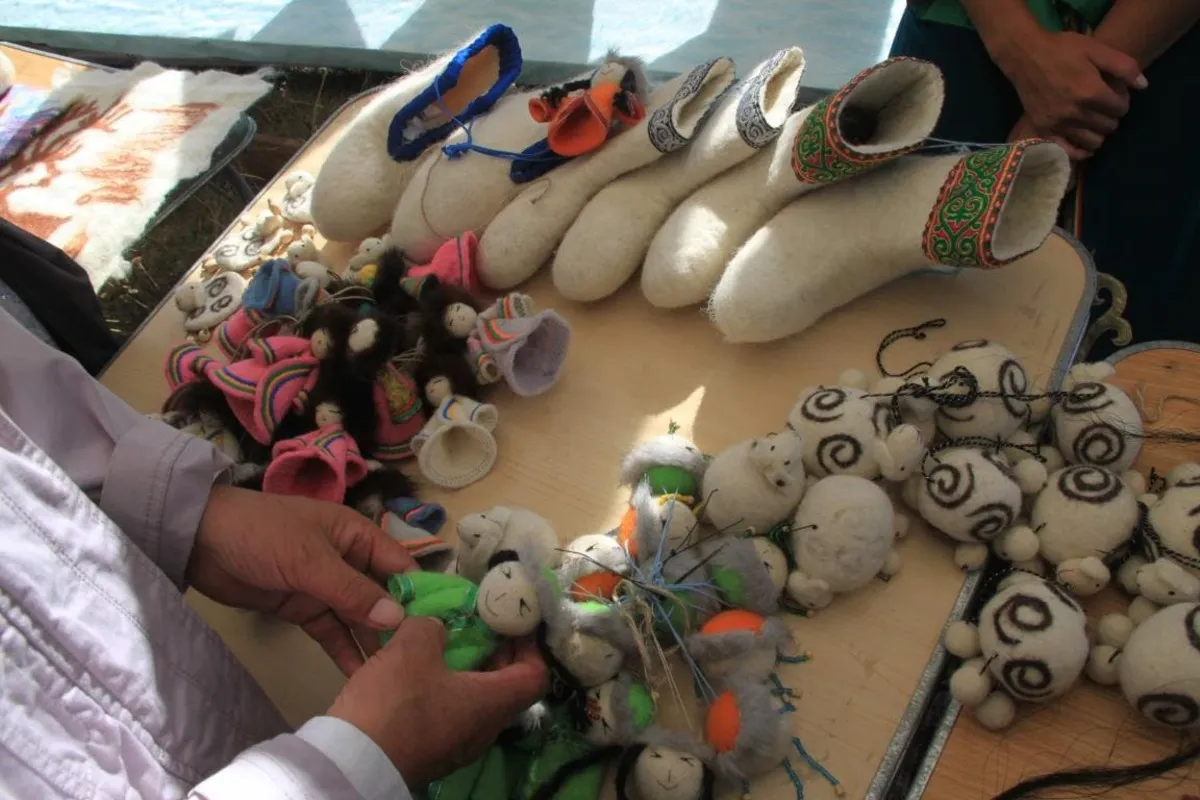
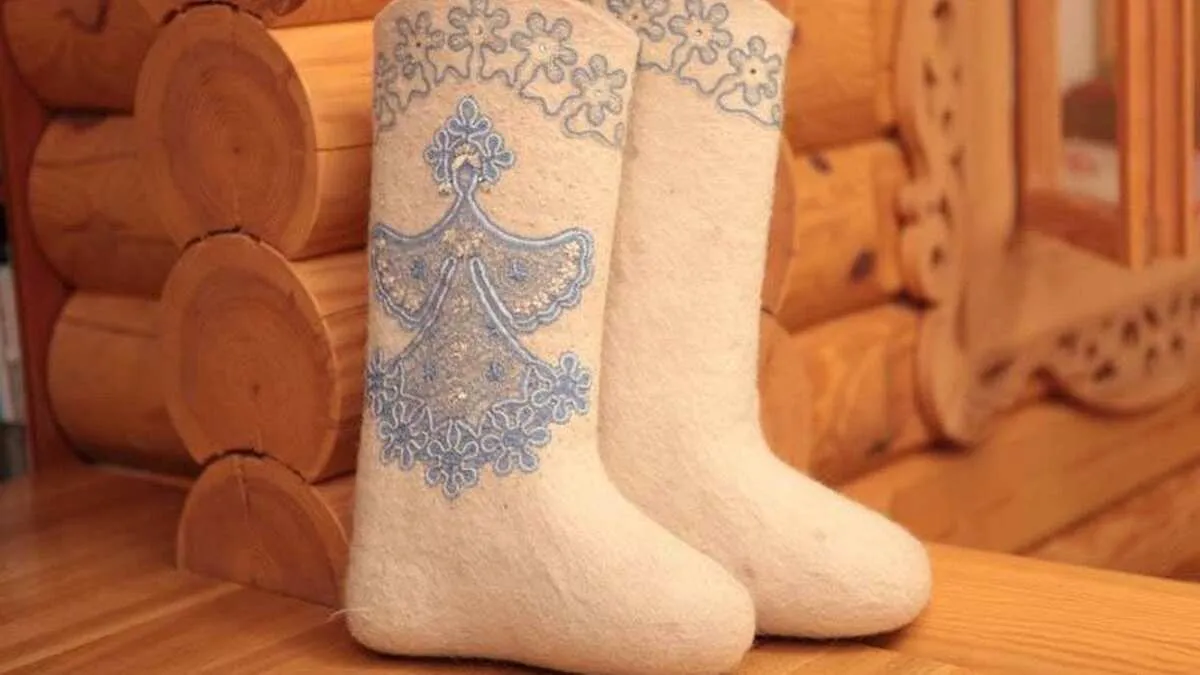
The Valenki or Russian felt boots (high boots crafted from 100% natural sheep’s wool) are historically consolidated as the warmest winter footwear on the planet. Backed by a millenary tradition that has left a deep mark on the annals of history, they constitute an essential element to understand the survival and folklore of the Slavic nation.
What Are Valenki and What Is Their Cultural Significance?
The Valenki are one of the most potent and pure symbols of Russian culture. Over the course of several centuries, they have played a leading and inseparable role within the wardrobe of the Russian population, transversally spanning all social classes.
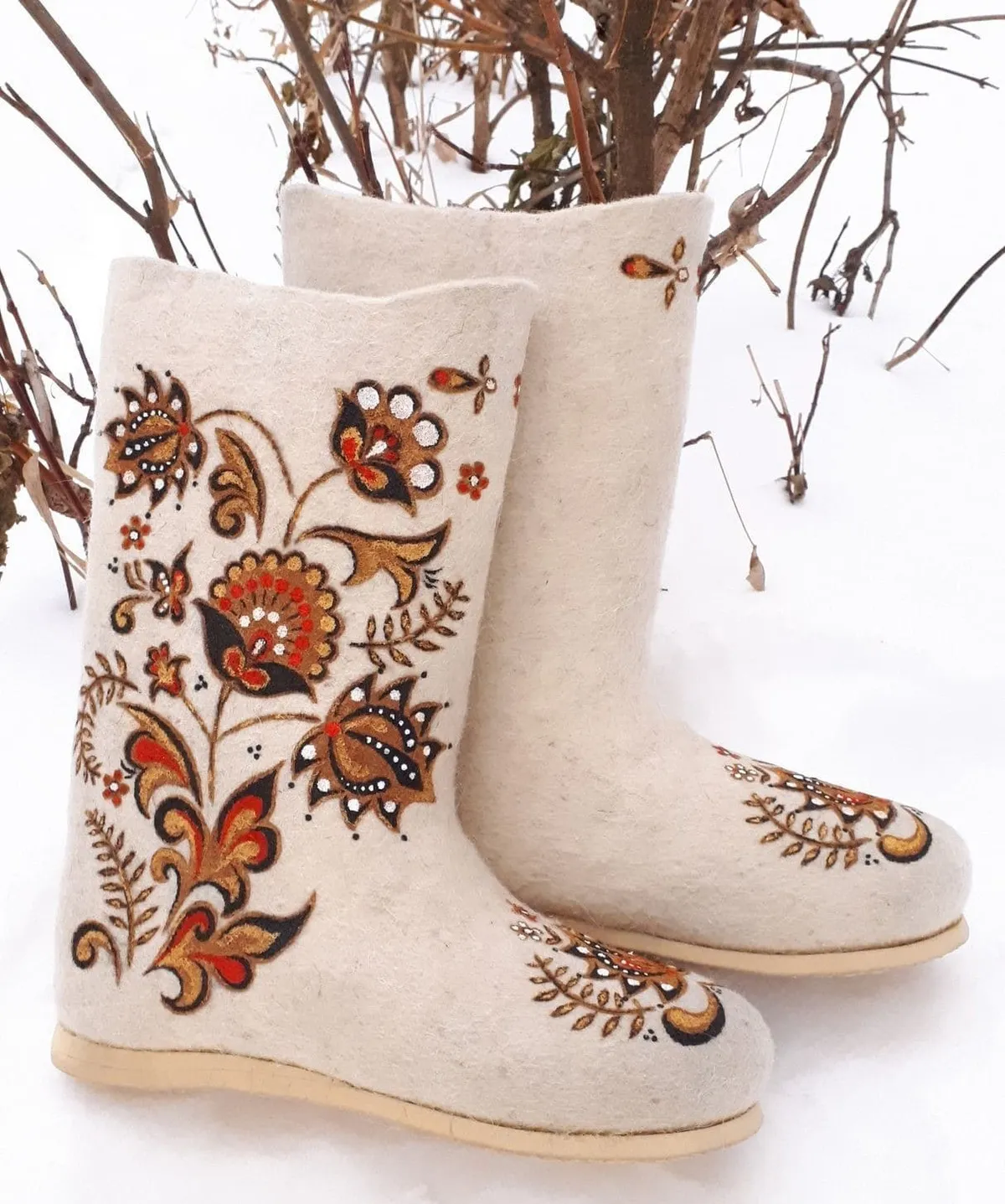
Far from being relegated to oblivion as a rustic antiquity, they have managed to preserve their appearance, utilitarian significance, and originality intact. In recent decades, they have experienced a spectacular revival, bursting strongly onto modern footwear runways and inspiring exquisite objects of high fashion, signature design, and contemporary editorial art.
The sophistication of their lasts, the richness of the chromatic palette, innovations in decorative techniques, and meticulous custom design details mark current trends in the field of premium felt footwear production.
Chronicle and History of Felt Boots
Nomadic Origins in the Altai Steppes
Archaeological studies place the origin of felt boots in an astonishing antiquity that dates back to the 4th century BC. Scientific analysis of textile remains discovered in the Altai region, specifically during the excavations of the Pazyryk burial mound, proved that the nomadic peoples of the steppes already mastered wool felting techniques.
These civilizations covered their yurts (portable nomadic dwellings) with immense felt blankets and crafted hats and tunics from this same insulating material. Clothing historians maintain that it was these same peoples who invented primitive felt footwear and that, later, through trade routes and the invasions of the Mongol-Tatar yoke, Valenki were definitively introduced into the towns and cities of medieval Russia.
An Exclusive Luxury for the Tsars’ Court
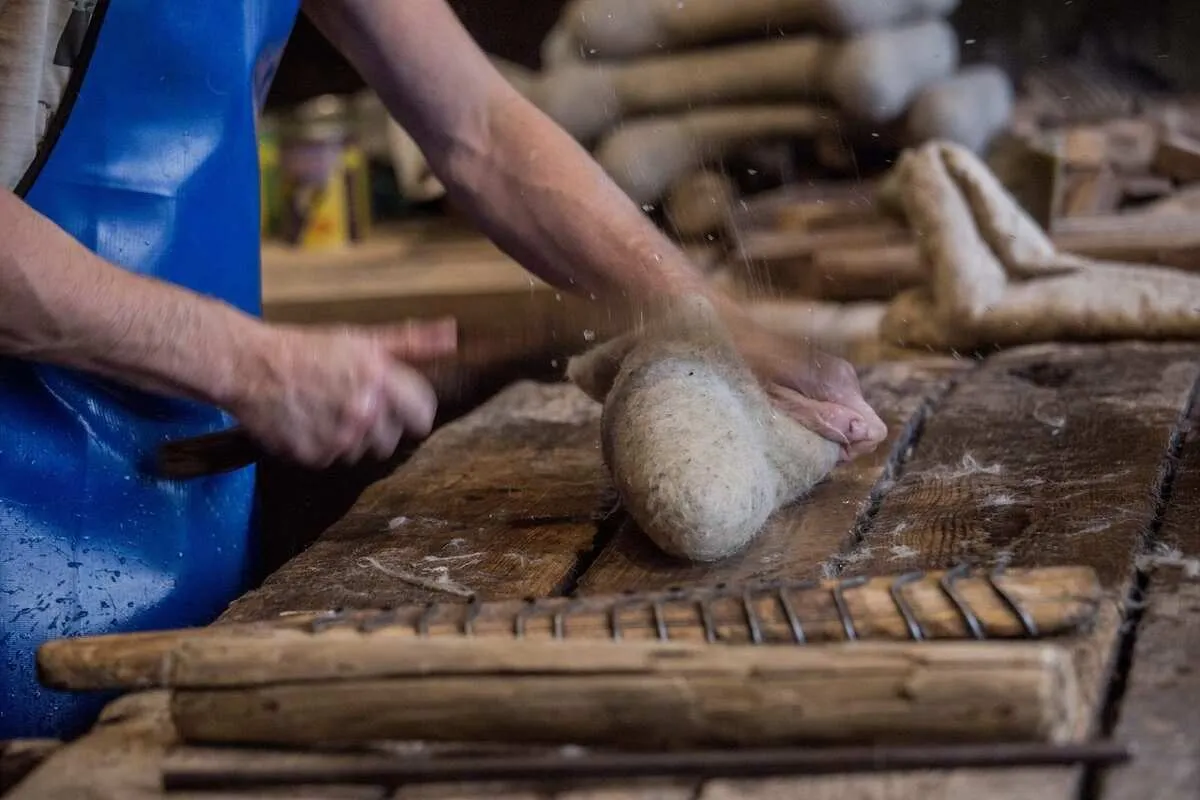
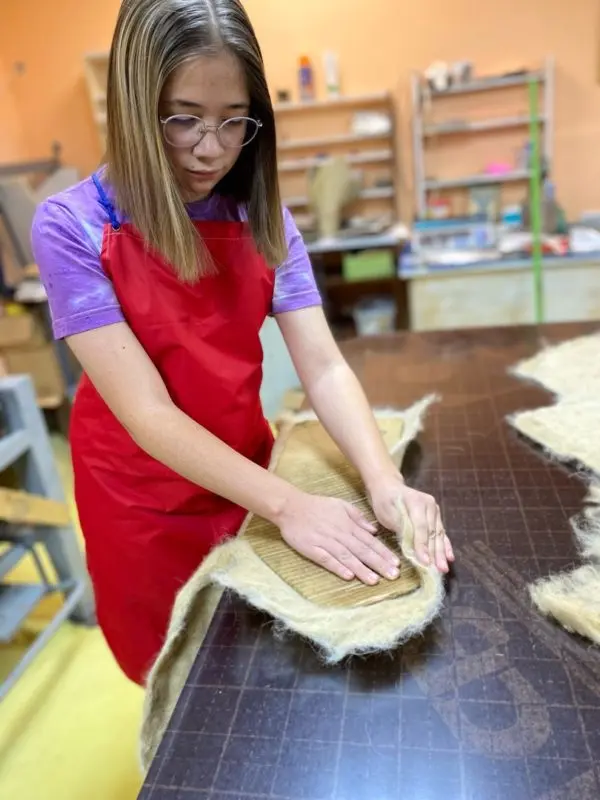
Until the arrival of the 19th century, the production of felt boots was strictly artisanal and carried out entirely by hand, which raised its commercial cost to prohibitive levels for the lower classes of the population. To craft premium boots, master artisans mixed soap with raw wool, added soda, and immersed the piece in a weak solution of sulfuric acid to compact the fibers.
This manual process constituted an extremely hard, long, and meticulous physical labor, resulting in highly expensive footwear considered a high-value asset and a family heirloom. Due to their high price, Valenki were an exclusive luxury of the elites, being extremely popular in royal salons: monarchs of the stature of Peter the Great, Catherine the Great, and Empress Anna Ioannovna loved to wear them to combat gélid palace winters.
The Industrial Revolution and the Leap to Europe
The democratization of this footwear occurred throughout the 19th century with the appearance of the first industrial felt rolling factories in Russia. The mechanization of the process radically lowered costs, allowing Valenki to become massively popular in both urban centers and rural environments across the country.
In that same century, Western Europe discovered the brilliance of this traditional footwear when it was exhibited at the first International Exhibition in London. The Russian boots aroused colossal fascination among attendees and European designers, successively reaping gold and silver medals at the prestigious World Exhibitions in Vienna, Chicago, and Paris.
The Physics of Felt: Why Are They So Warm?
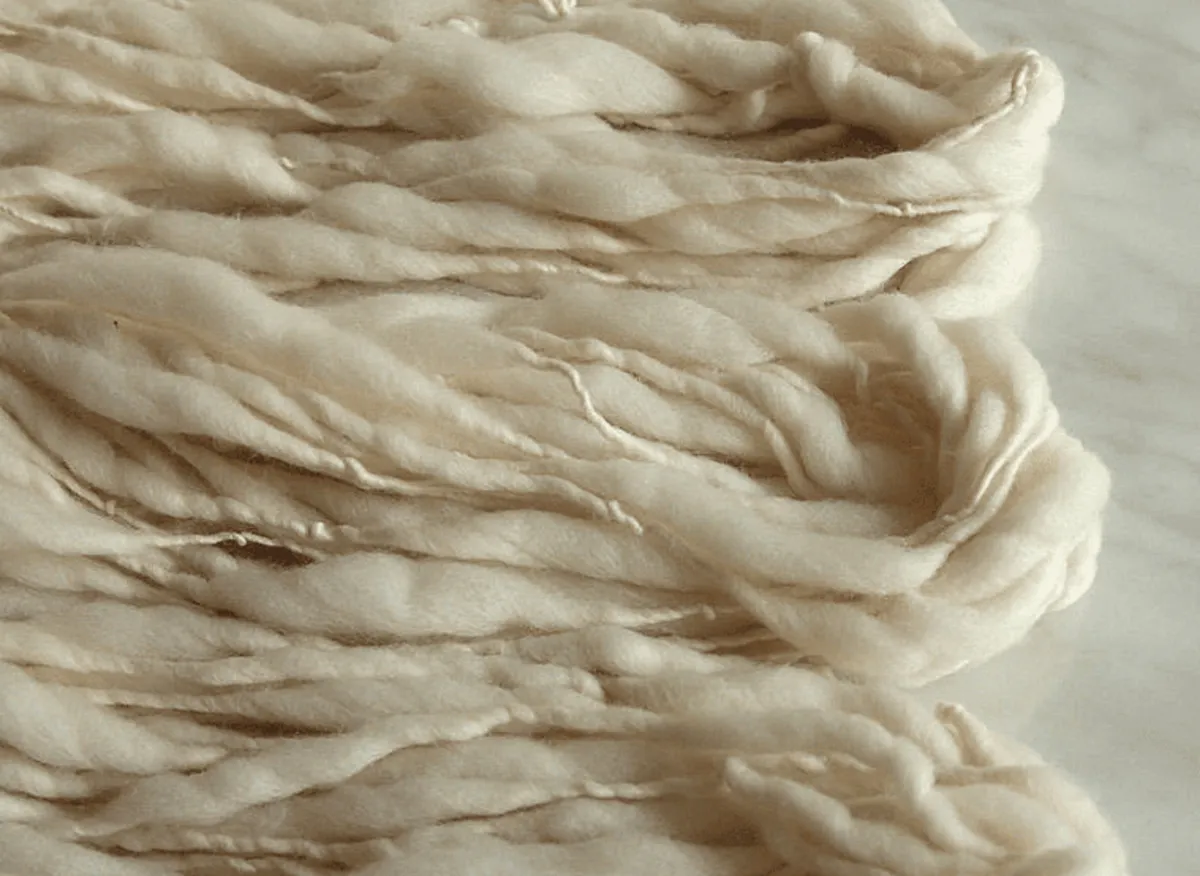
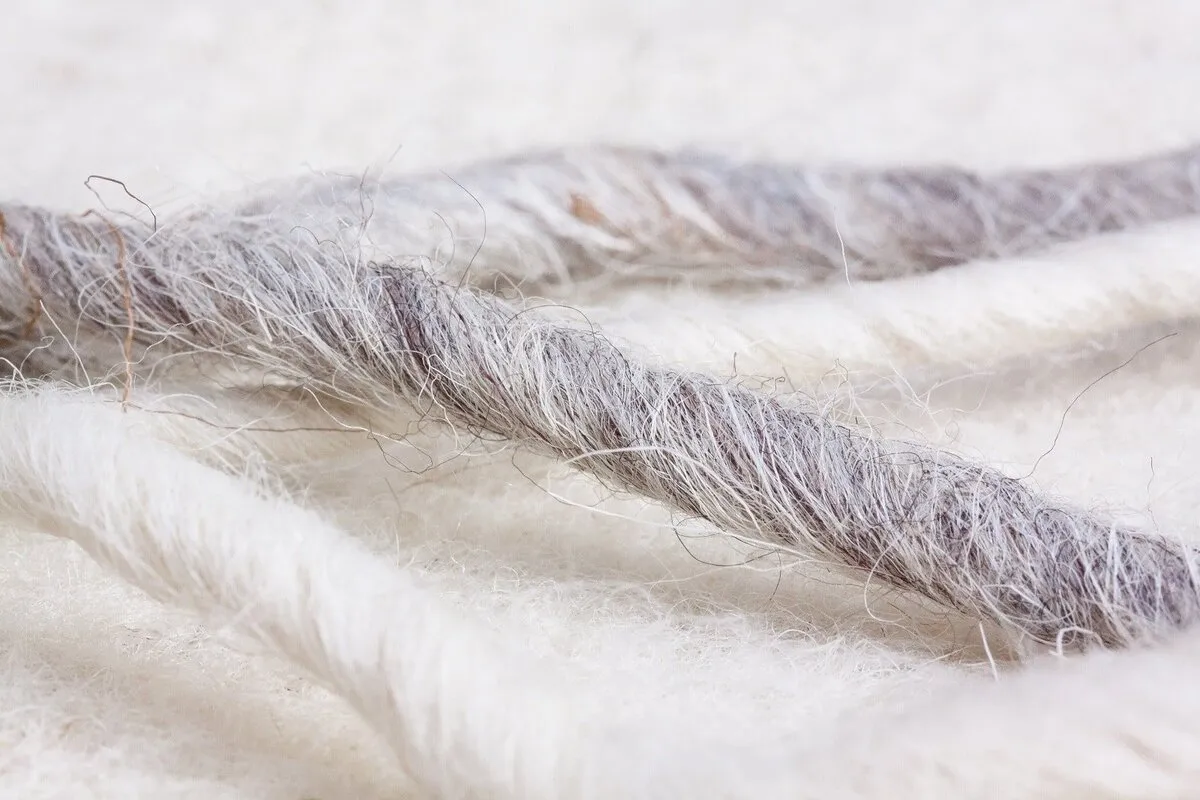
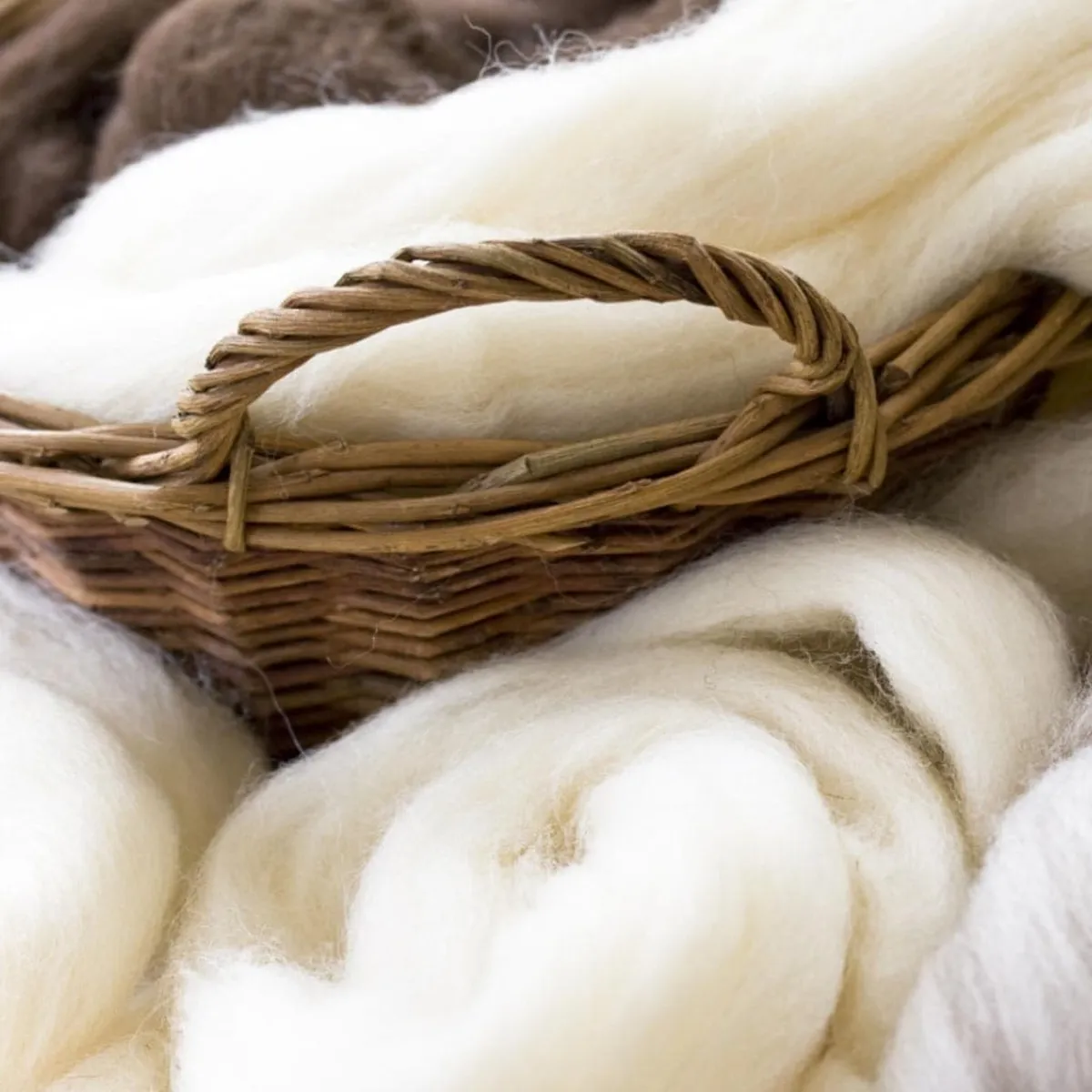
Since Valenki are manufactured exclusively from unspun pure sheep’s wool, they benefit from the natural physical properties of this fiber, characterized by its porosity and thermal softness. Wool fibers possess a microscopic scaly structure; when subjected to the combined action of steam and hot water, these scales intertwine and lock into each other in an indissoluble manner, consolidating a dense and unified fabric.
The resulting material operates as an intelligent thermal sponge: it absorbs perspiration and moisture from the foot, keeping it completely dry and warm inside. Subsequently, when exposing the footwear to a heat source or the sun, that accumulated moisture evaporates outward naturally, guaranteeing sublime climatic comfort: Valenki insulate from extreme cold in winter and prevent heat concentration during transitional months.
Curiosities and Modern Impact
- Dedicated Museums: Pride in this footwear has motivated the opening of four monographic museums in Russia: in Moscow, Myshkin, Kineshma, and in the Mordovian village of Urusovo, where historical pieces and unique artistic designs are safeguarded.
- The Guinness World Record: The largest felt boot on the planet was sculpted in St. Petersburg by a local artist who invested a full year of work and used 300 kilograms of sheep’s wool. The structure reached a monumental height of 6 meters; its assembly required three days of labor on the city embankment and featured a hidden entrance at the back that allowed up to three people to fit inside simultaneously.
- The Perfect Imperial Souvenir: Major international fashion labels have reincorporated this footwear from past centuries into their avant-garde collections. Today, Valenki constitute one of the most original, practical, and authentic gifts a tourist can acquire in Russia; available in the markets of Moscow and St. Petersburg in an infinity of colors, with modern rubber soles and matching rich hand-crafted embroidery.
Do you wish to discover traditional markets and workshops where local artisans continue crafting authentic Russian Valenki with the full peace of mind of a VIP service in your language? We take care of guiding your steps. Contact our concierge service or explore our select Private Tours Catalog in Moscow.