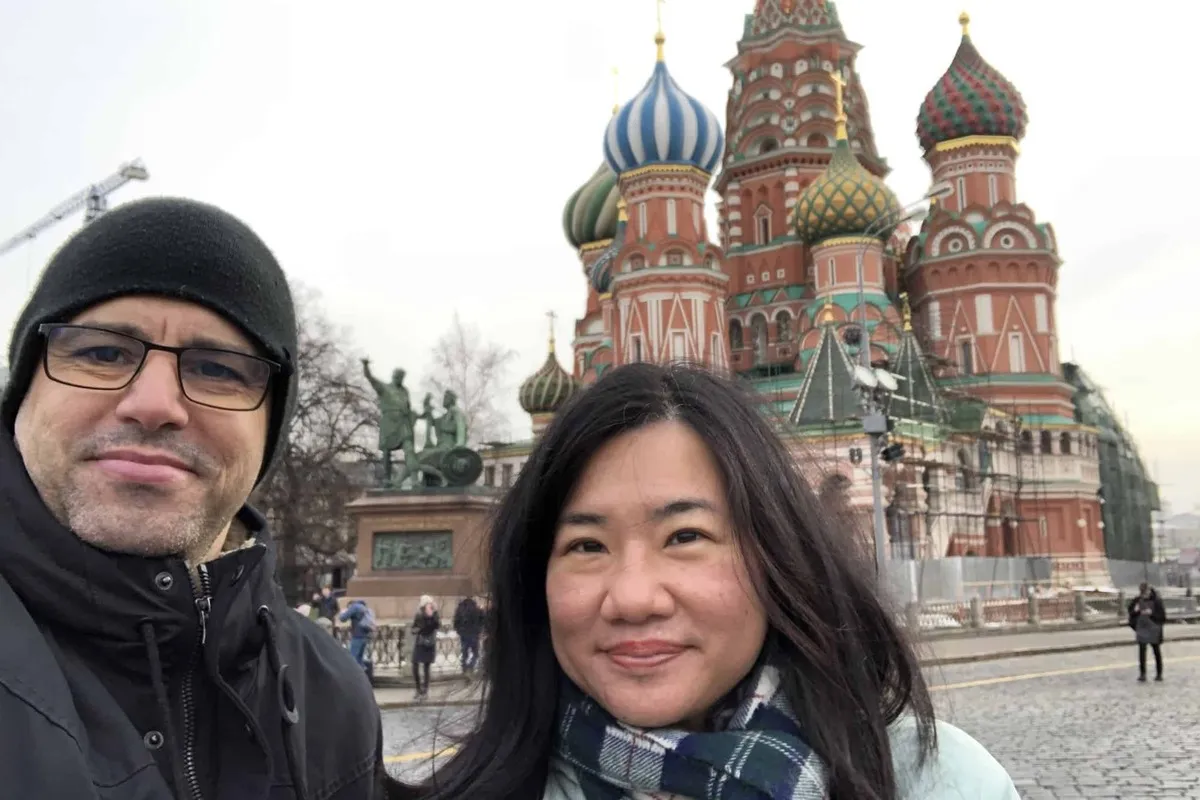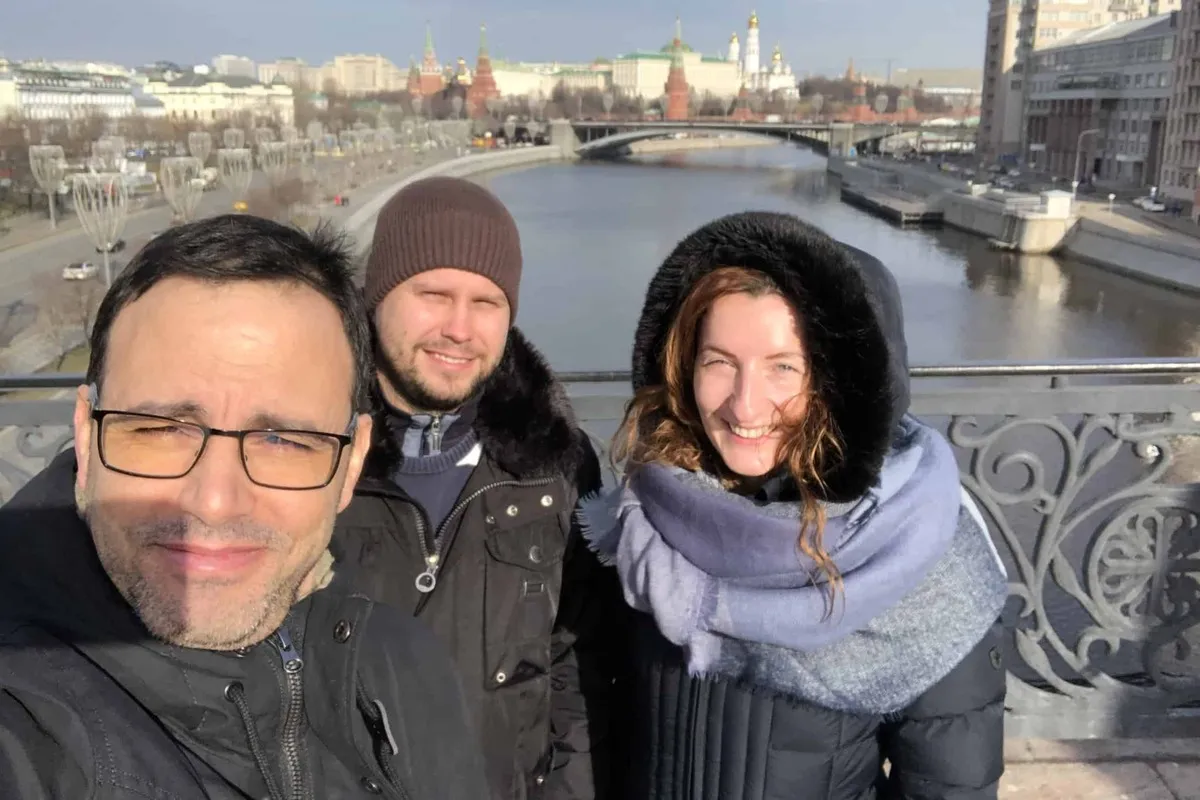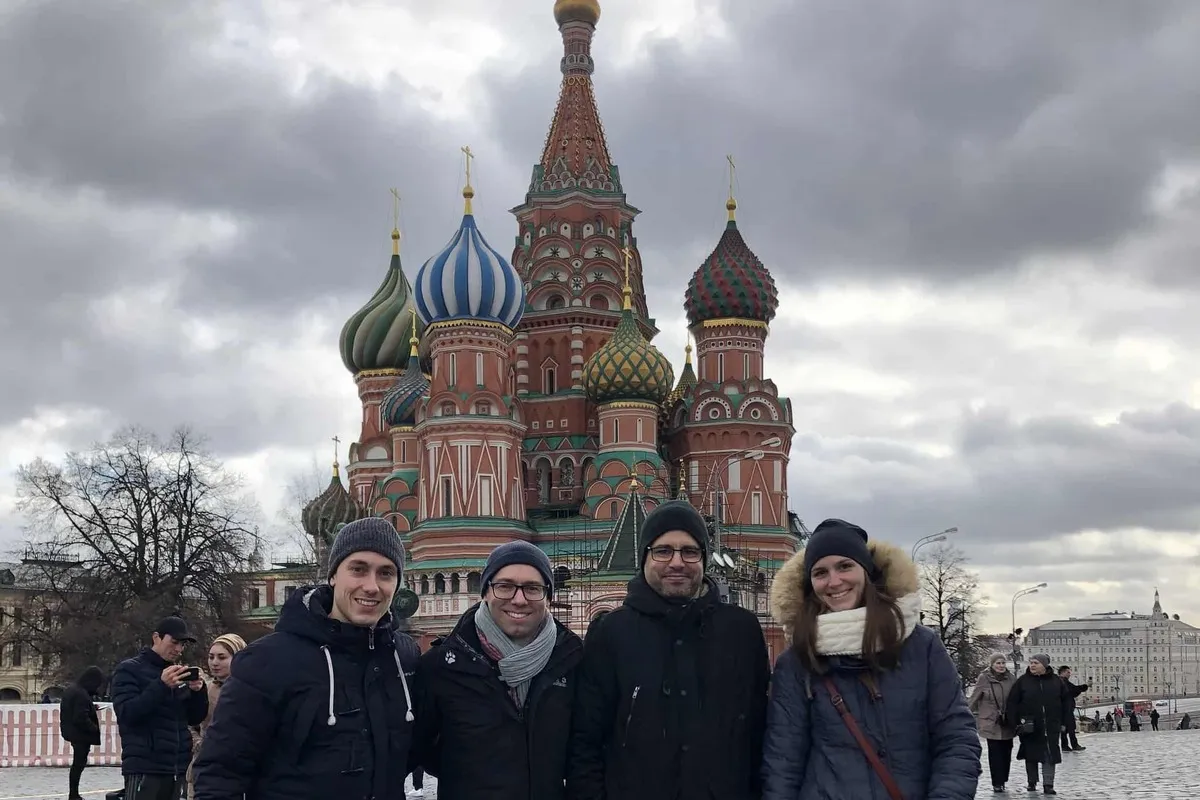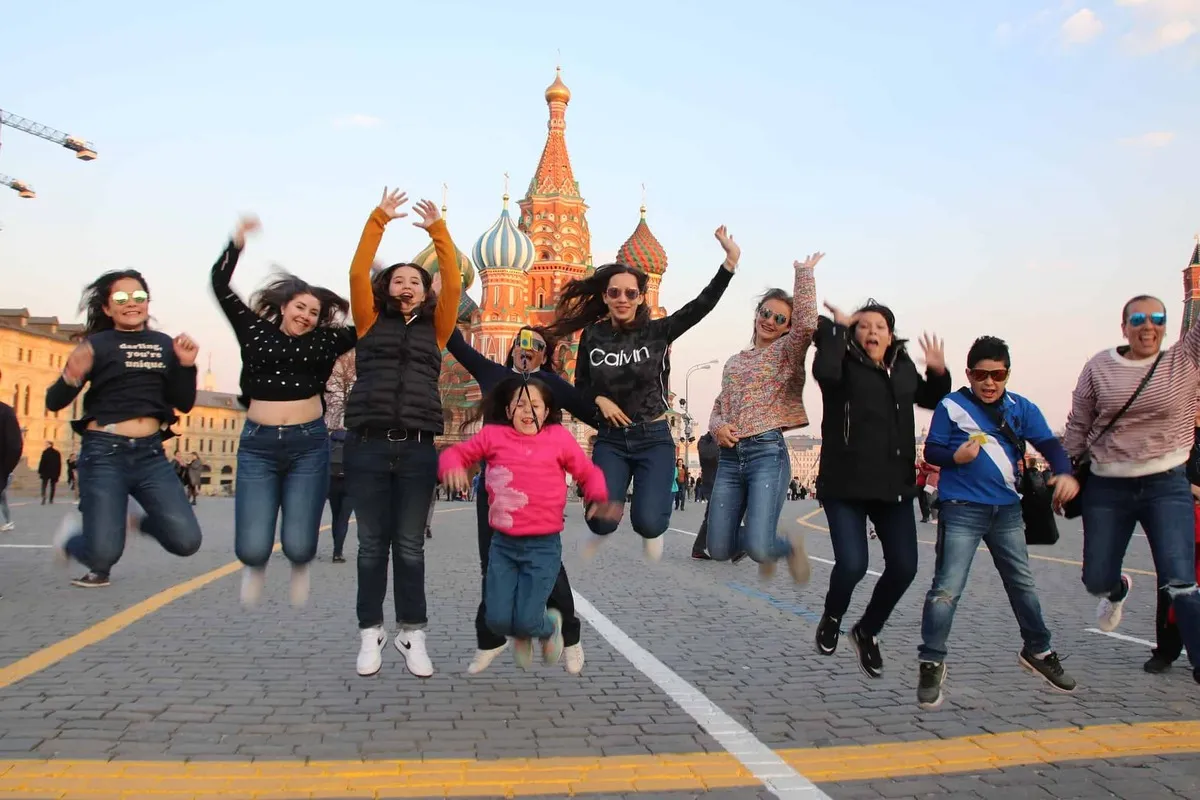
Discover Moscow's Historical Center on a lively, fast-paced walking tour—the ideal option to see the highlights when you are short on time.
The Moscow Free Walking Tour is the absolute best way to experience the Historical Center of Moscow in a dynamic and pleasant manner if you prefer not to book a private excursion and are short on time. Even so, it remains a highly comprehensive and deeply rewarding route.
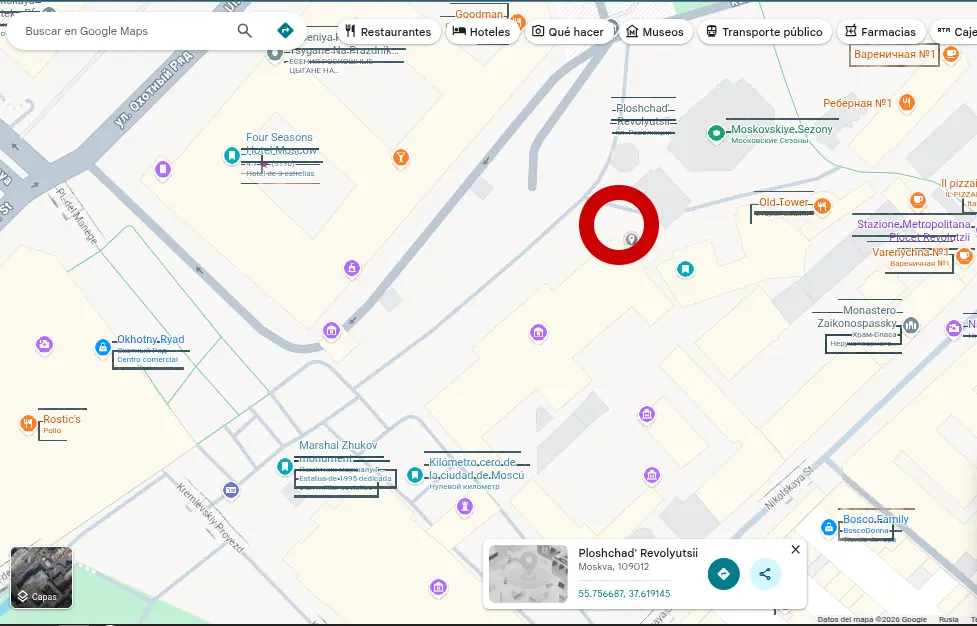
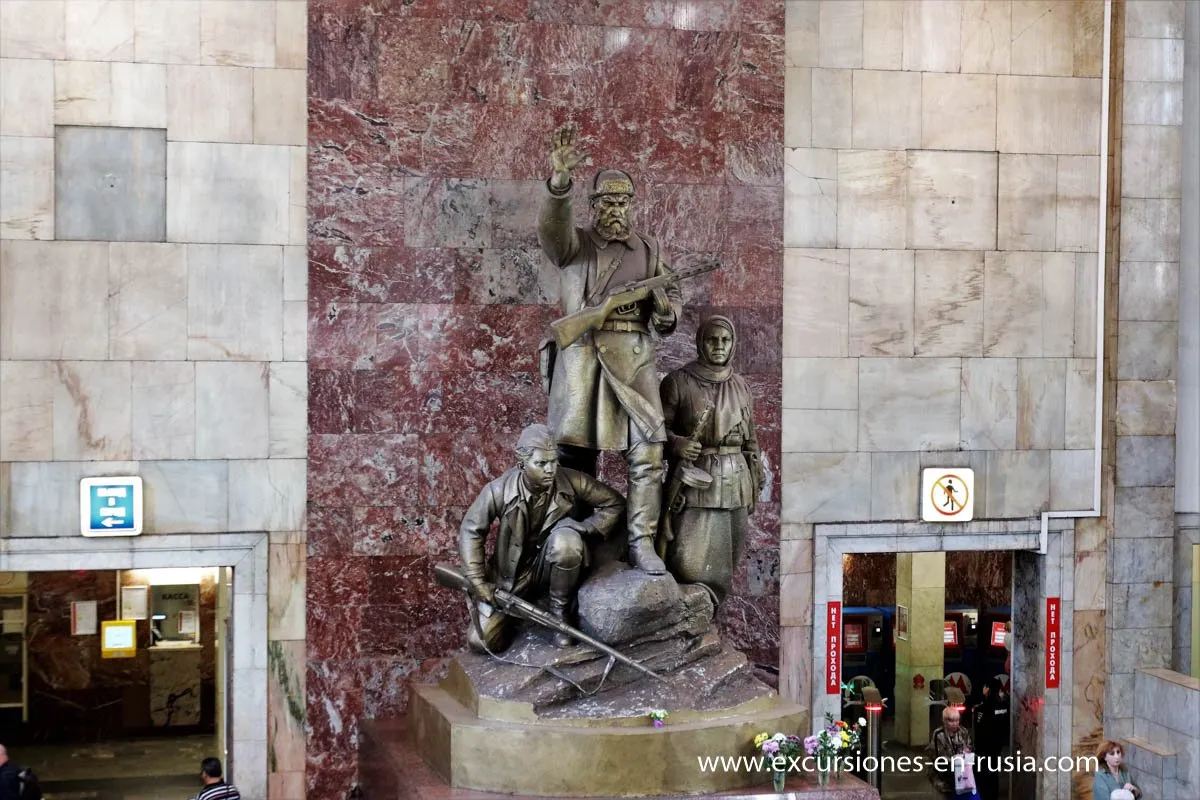
The journey starts right at the exit of the "Ploshchad Revolyutsii" metro station, at the specific spot indicated in the photographs and map at 10:00 every morning.
The Moscow Free Tour Will Include:
- Revolution Square
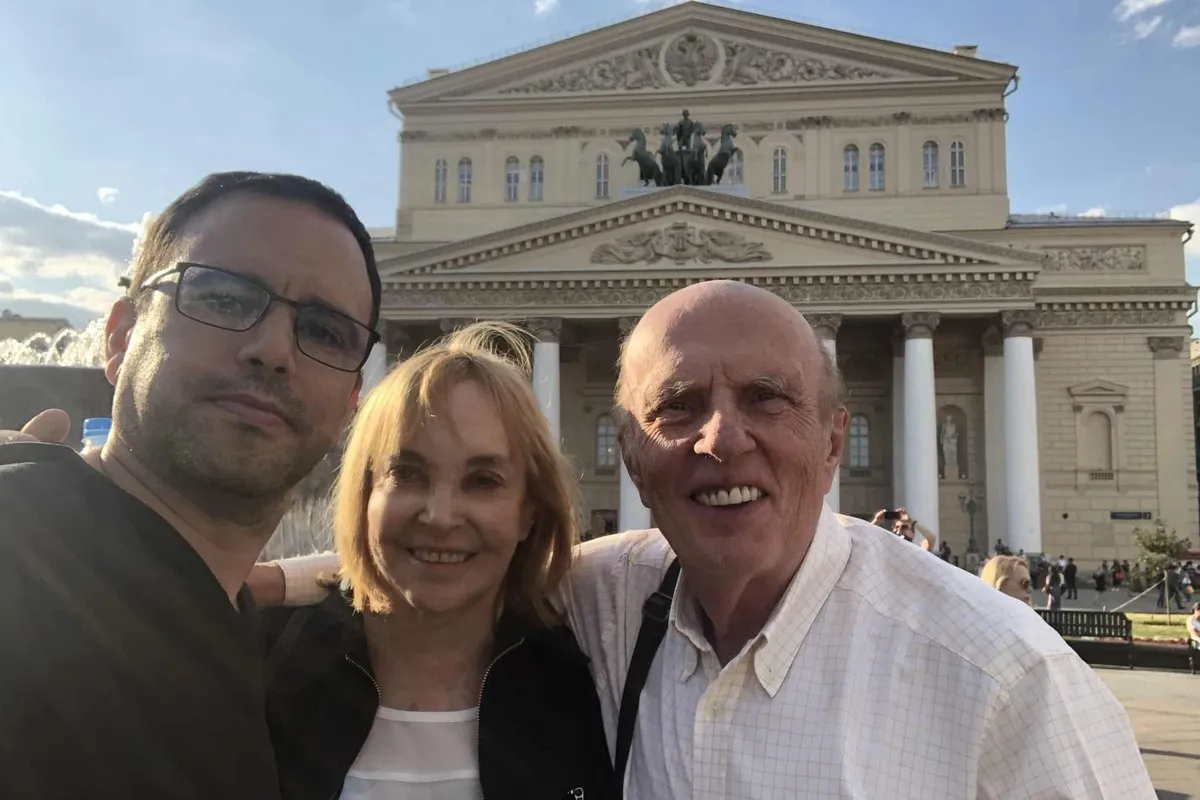
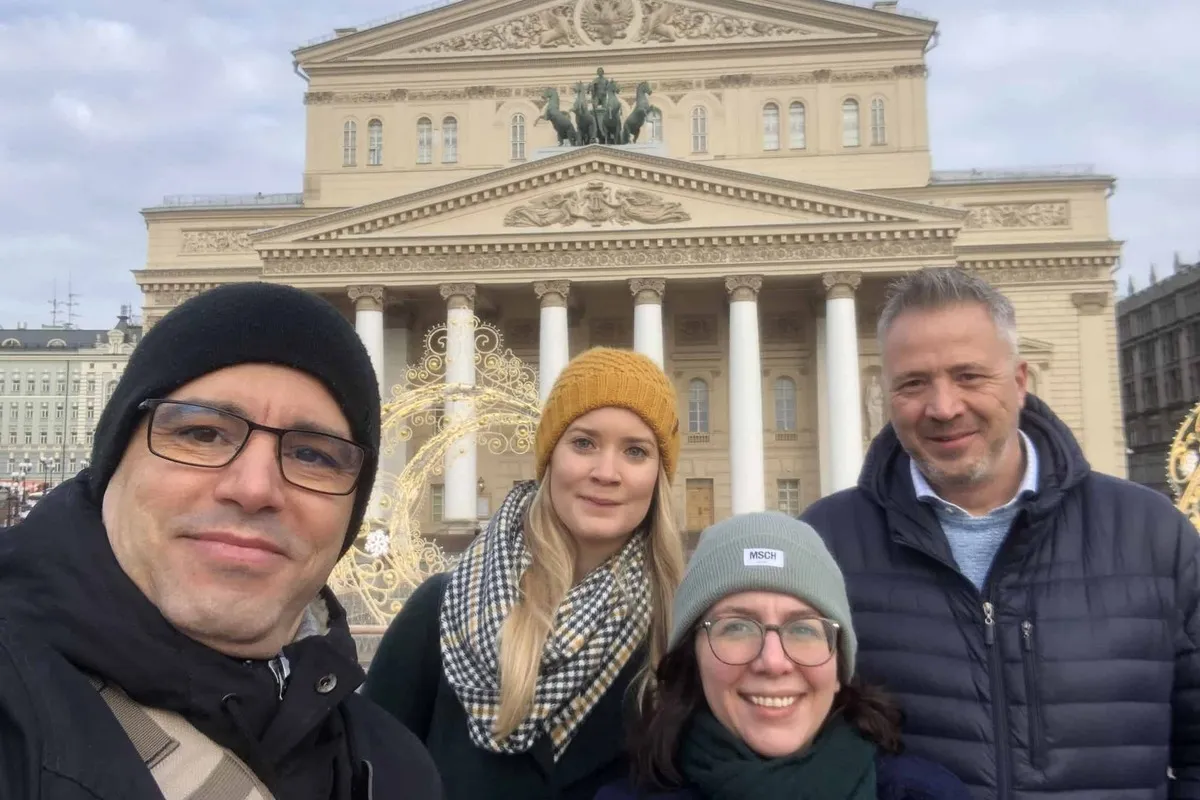
- View of the Bolshoi Theatre and the historic Metropol Hotel
- Patriotic War Museum
- The State DUMA Building
- Resurrection Gate
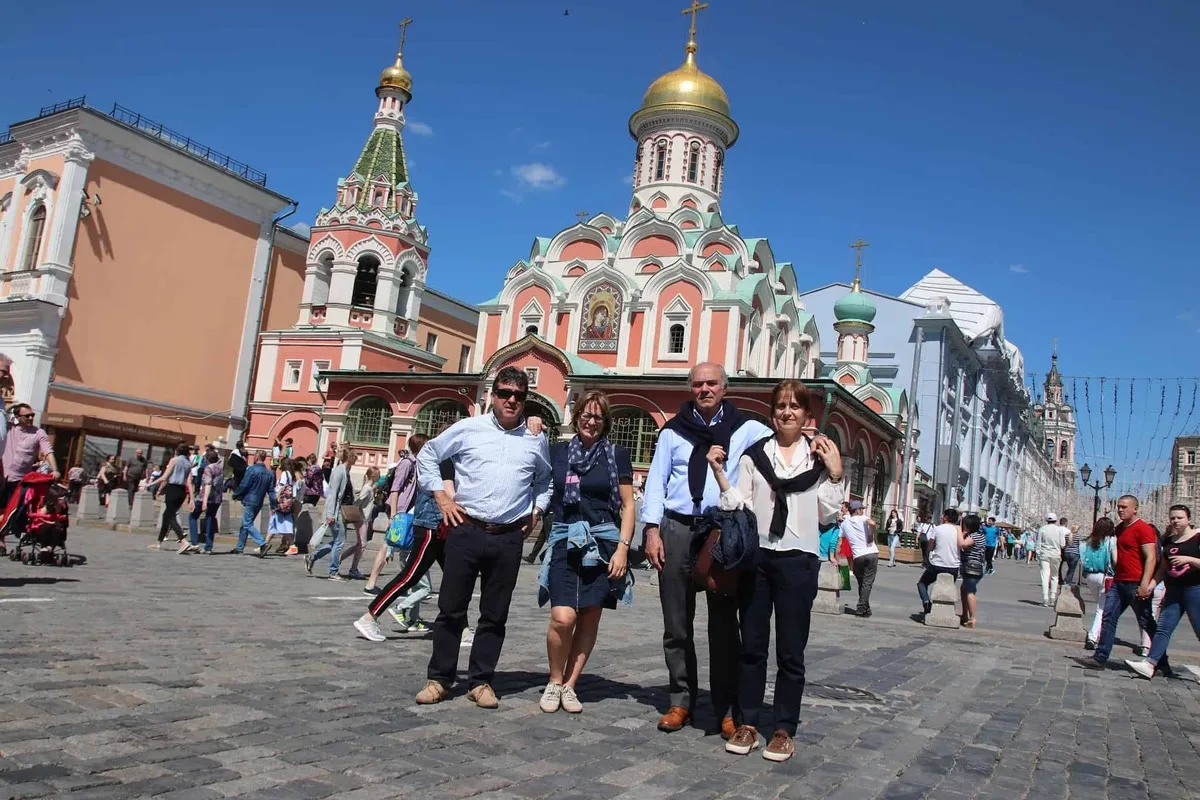
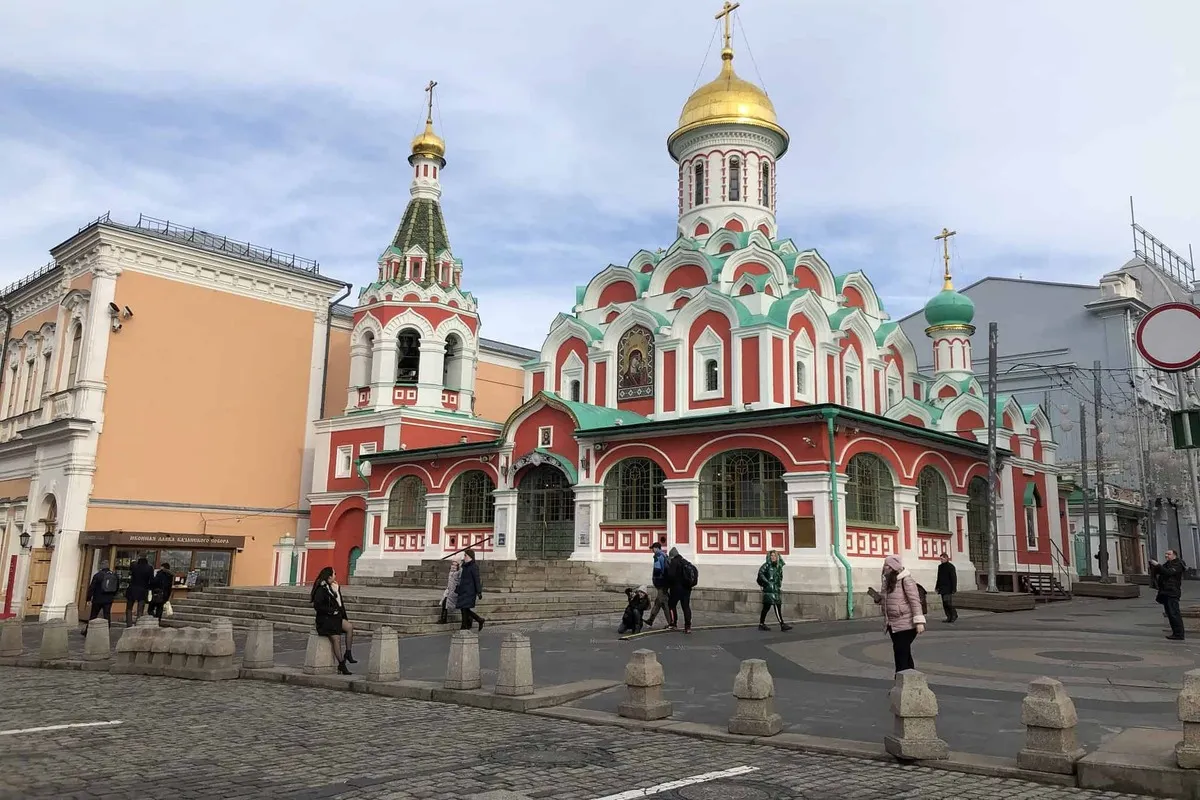
- Kazan Cathedral (Our Lady of Kazan)
- Red Square
- Lenin’s Mausoleum (exterior perspective)
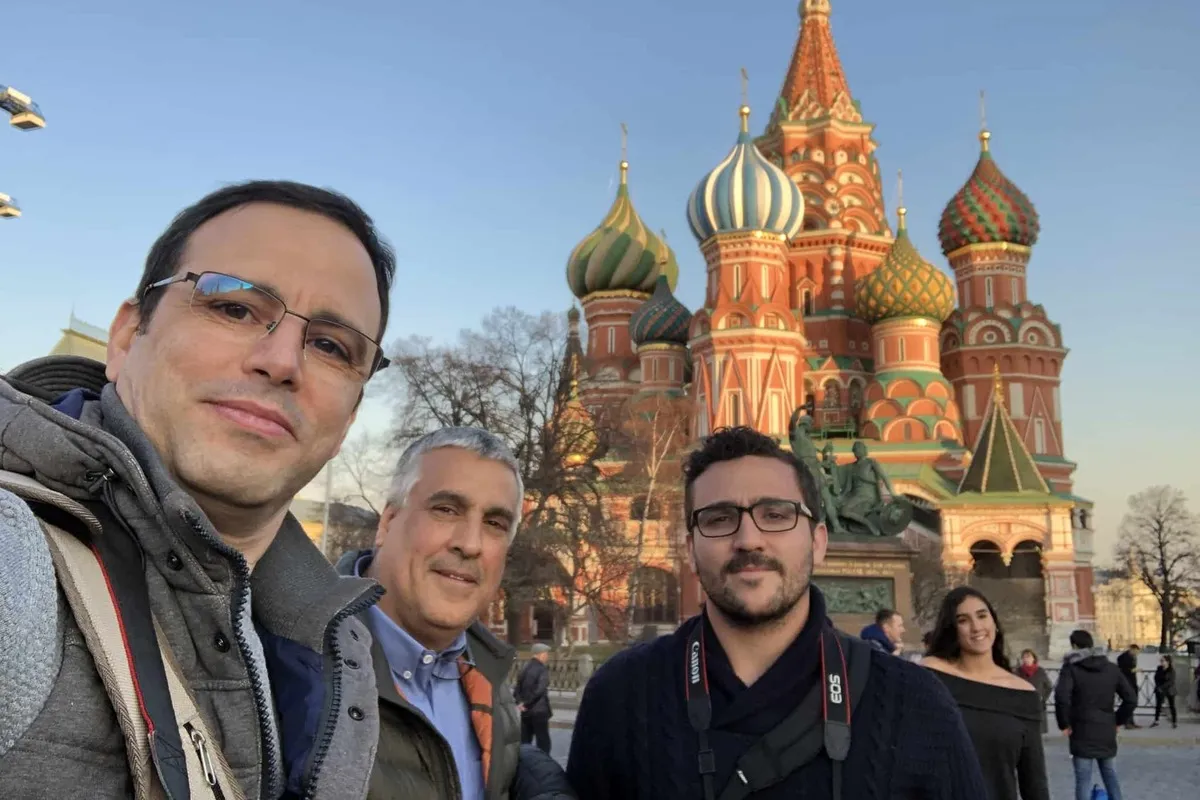
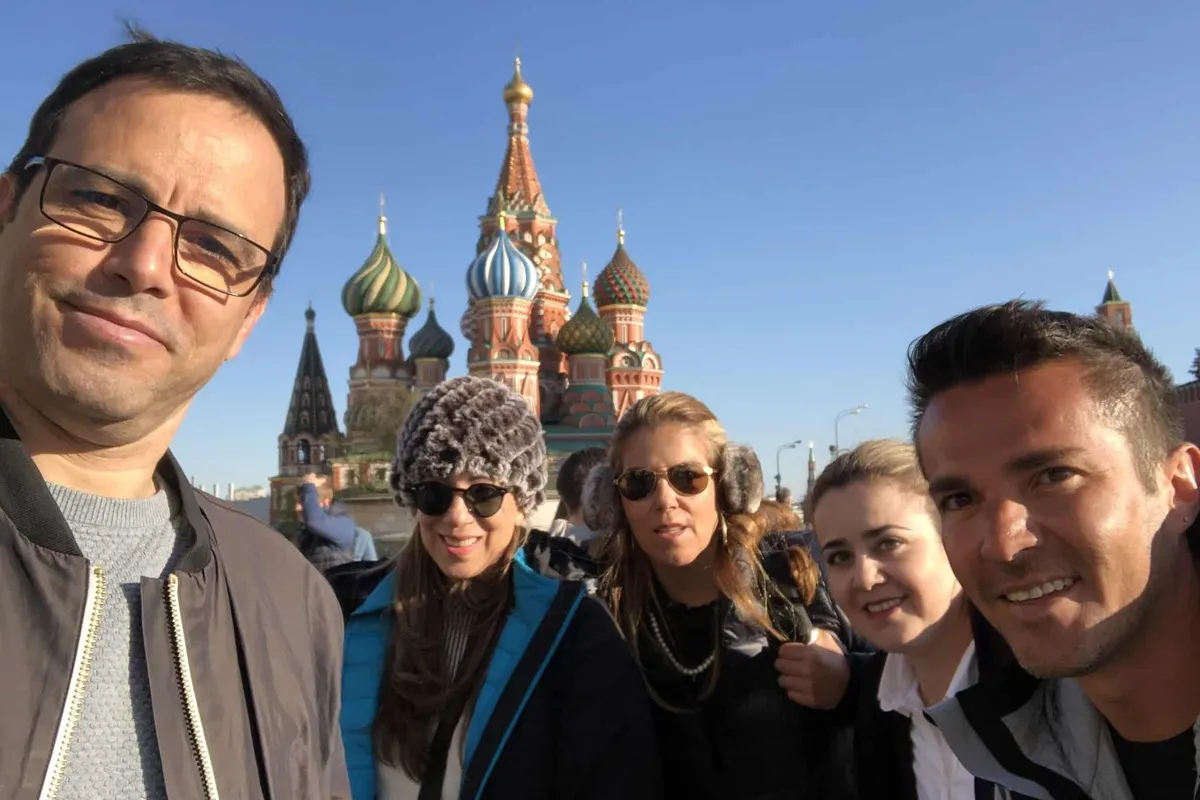
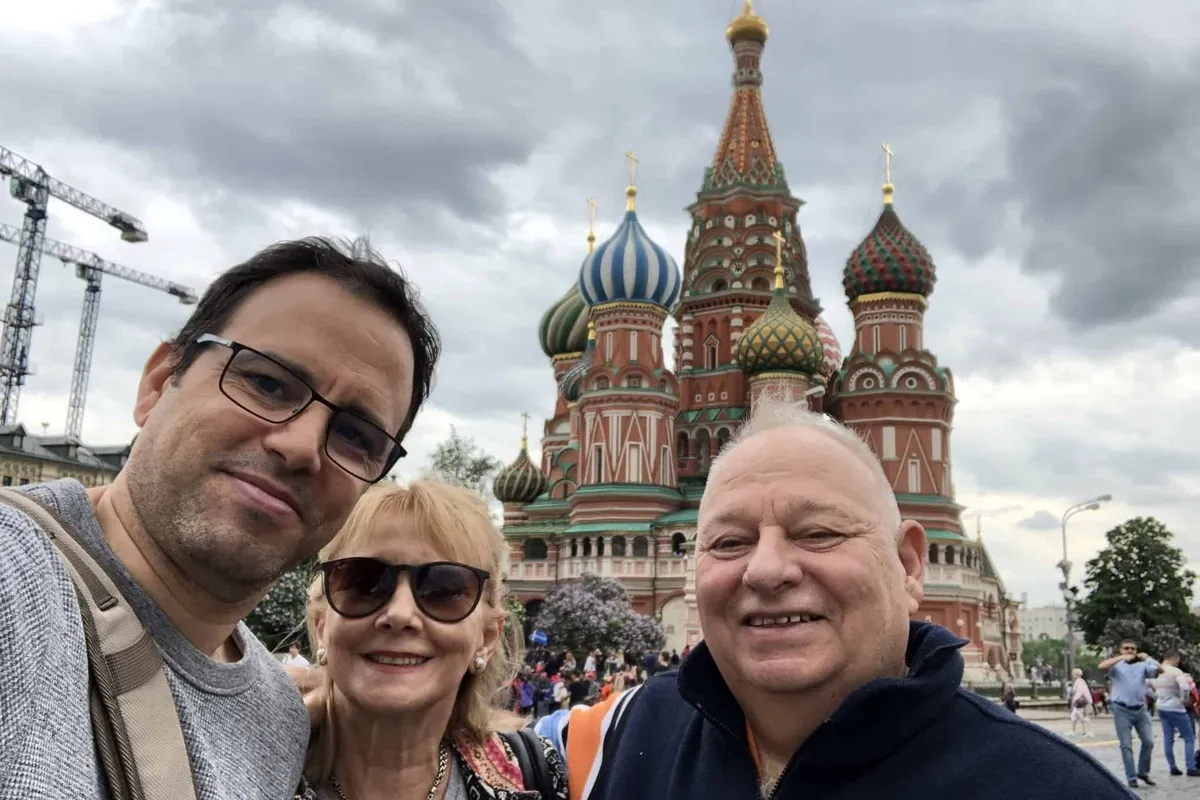
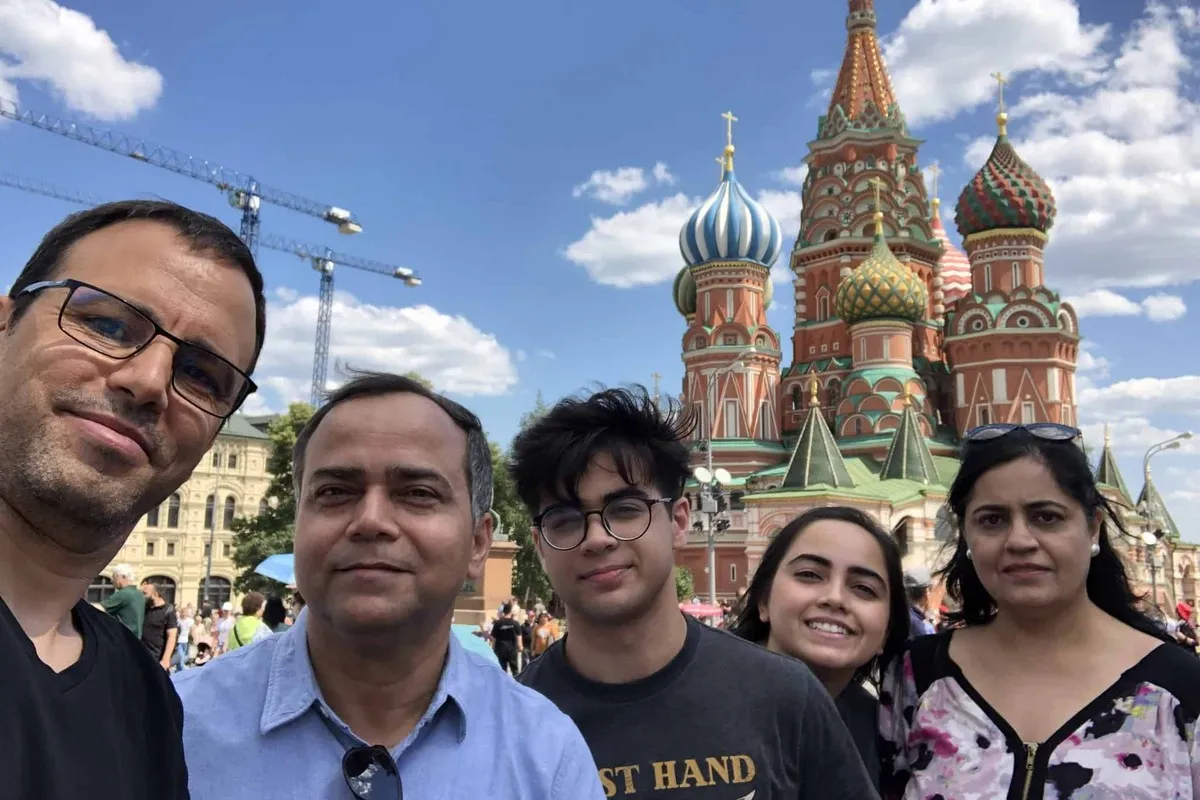
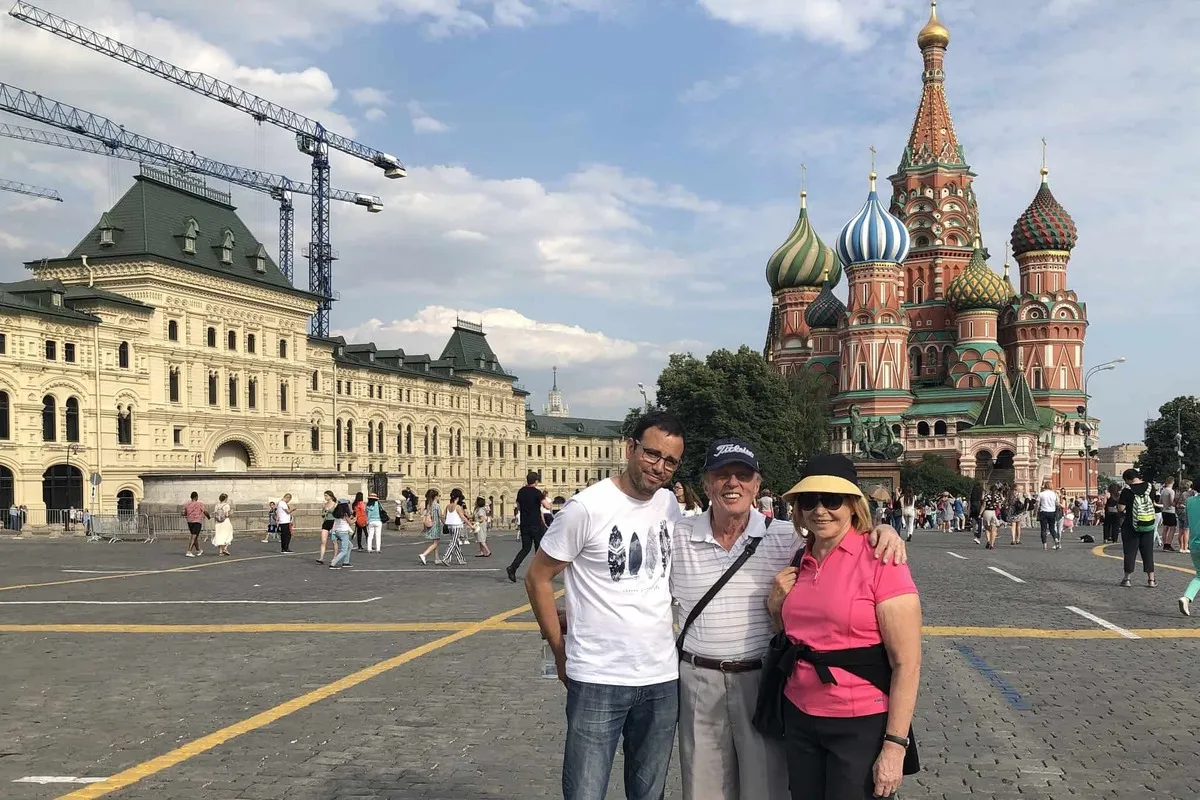
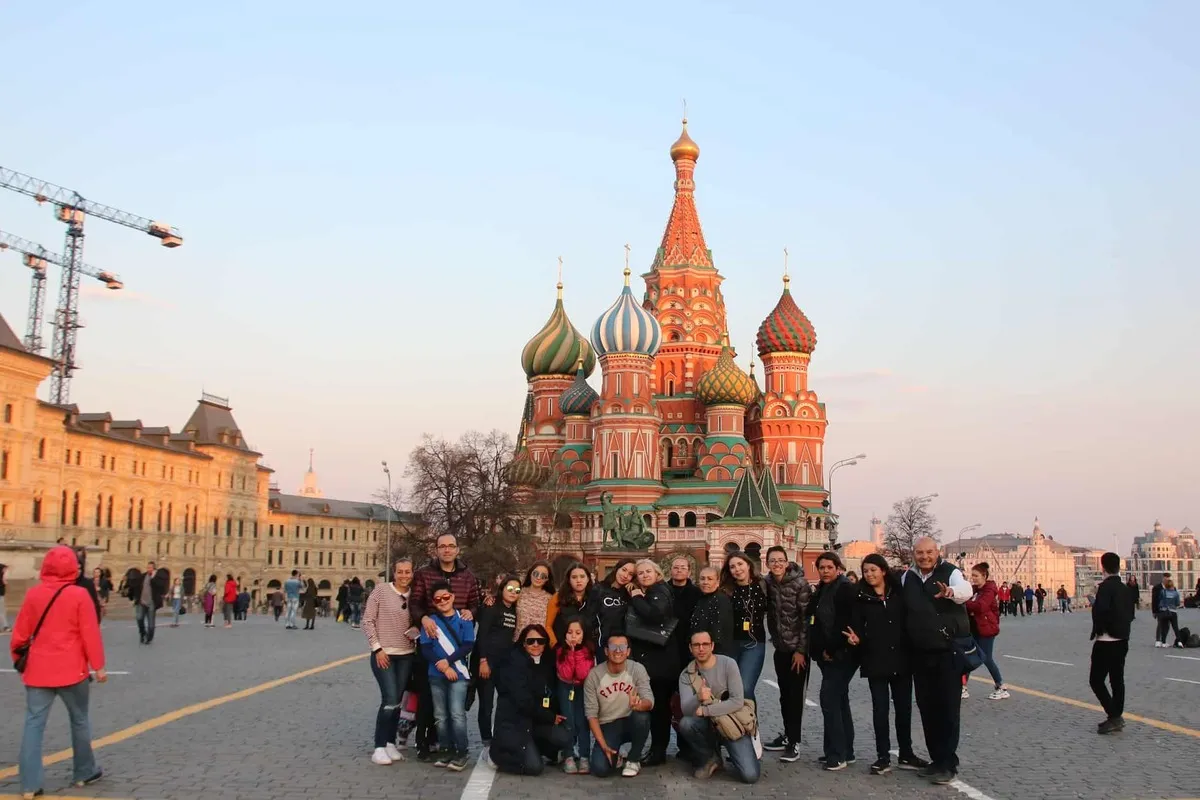
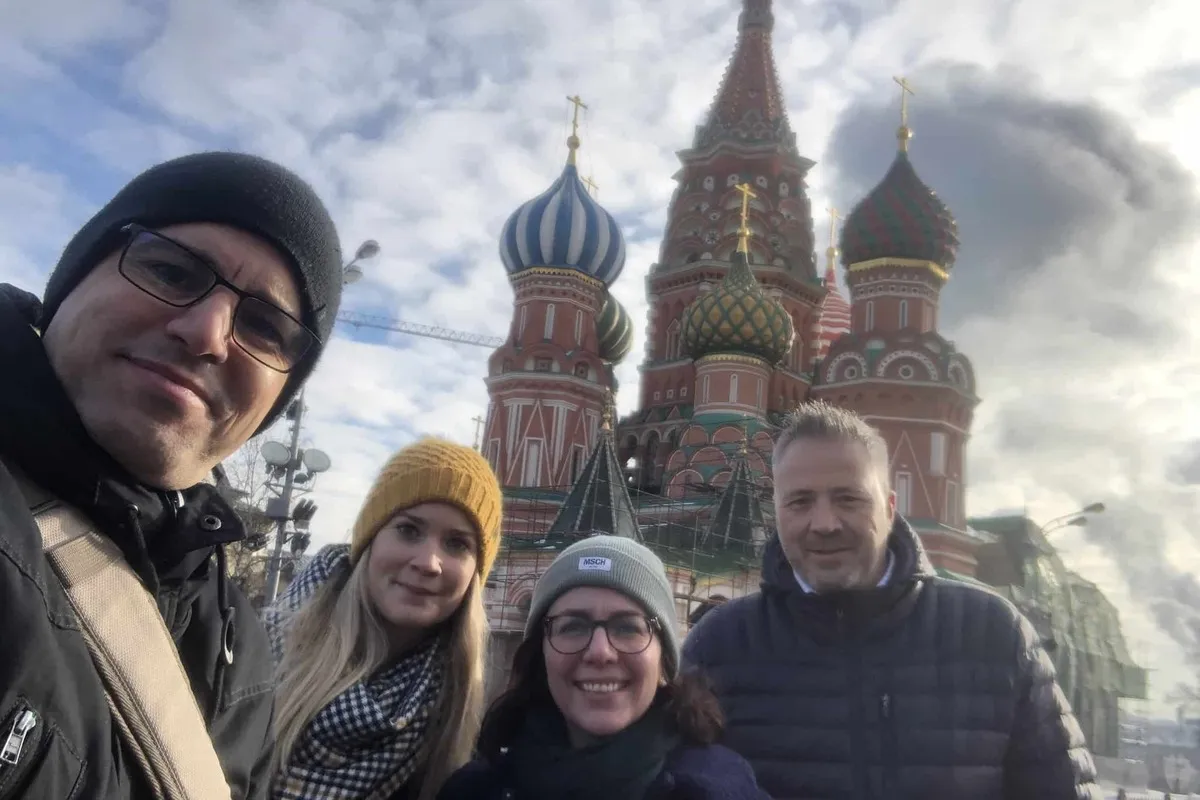
- Saint Basil’s Cathedral (exterior perspective)
- GUM Department Store galleries
- Guard of Honor change at the Tomb of the Unknown Soldier
- Alexander Gardens (Alexander I)
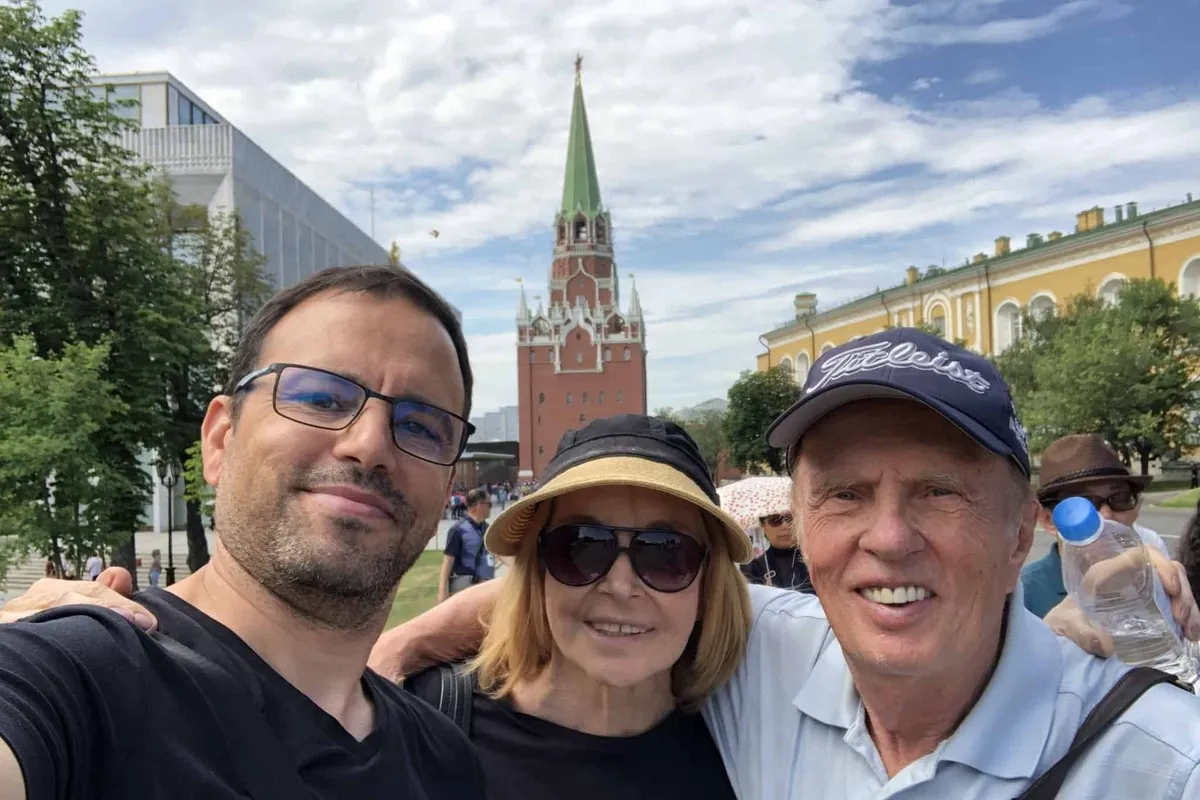
- The Moscow Kremlin Wall
- Romanov Obelisk
- Monument to Vladimir the Great
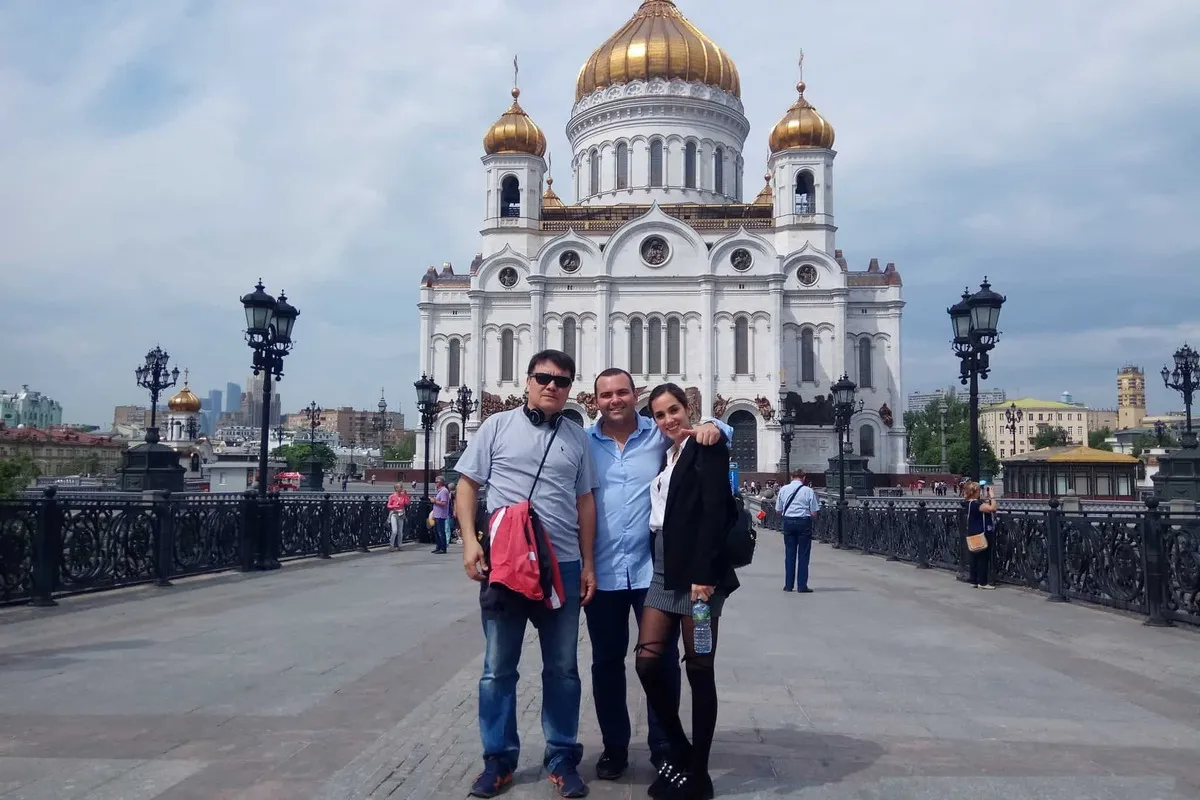
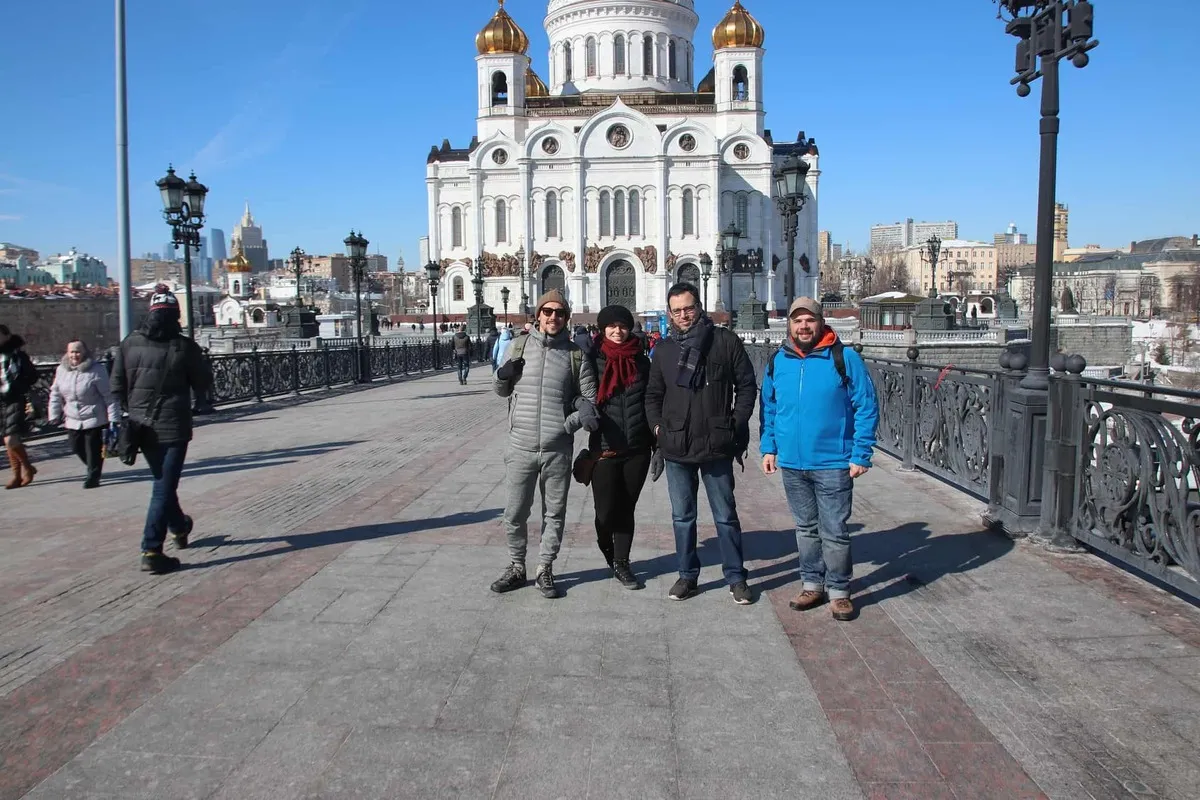
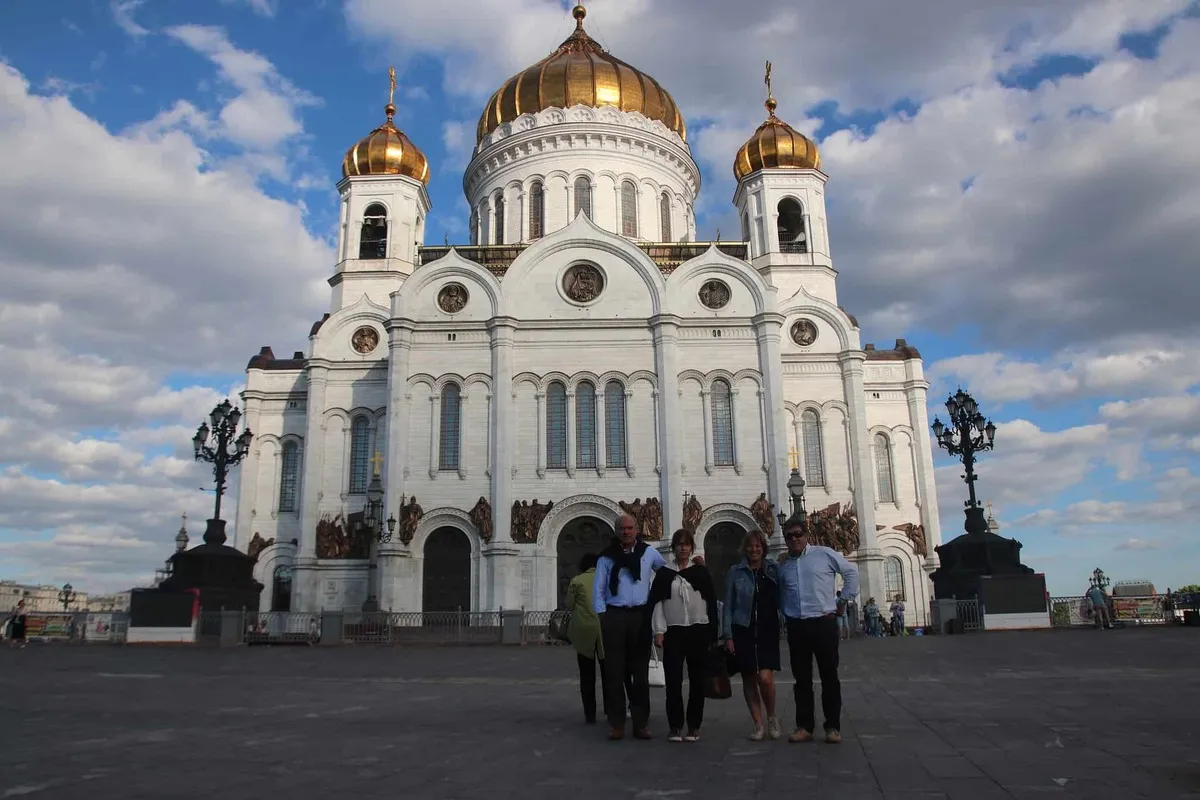
- Cathedral of Christ the Saviour
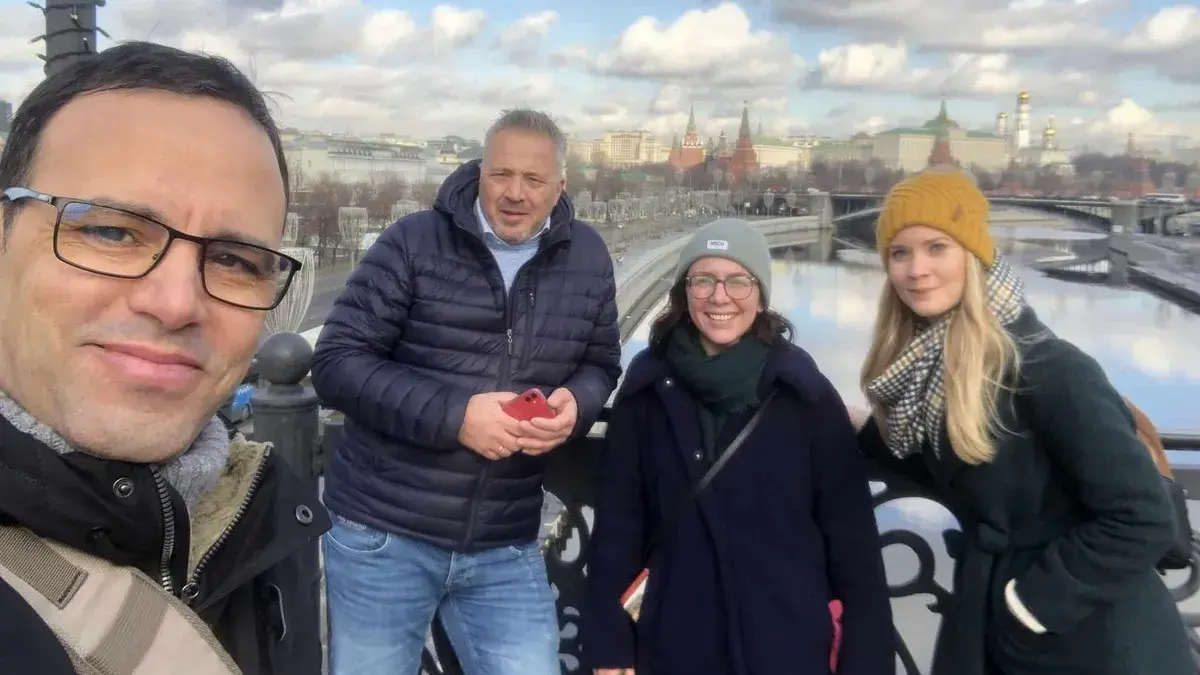
- Patriarchal Bridge
- Peter the Great Monument
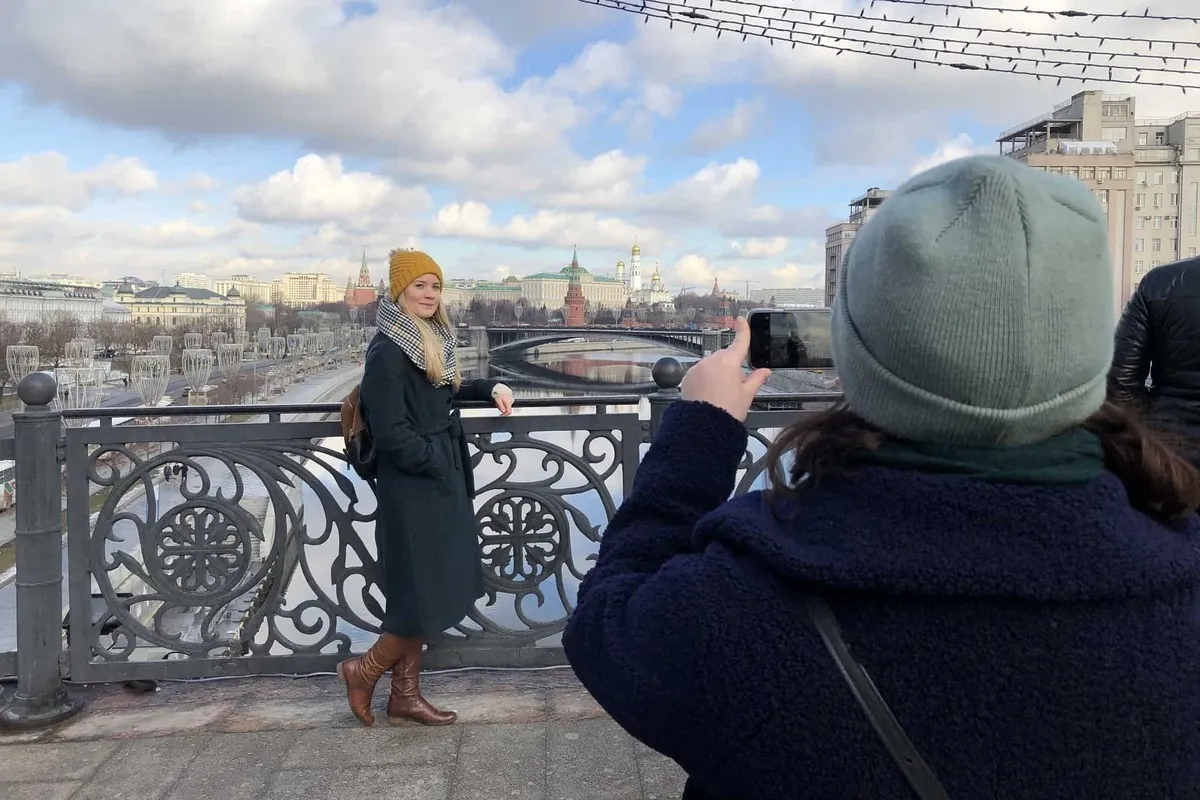
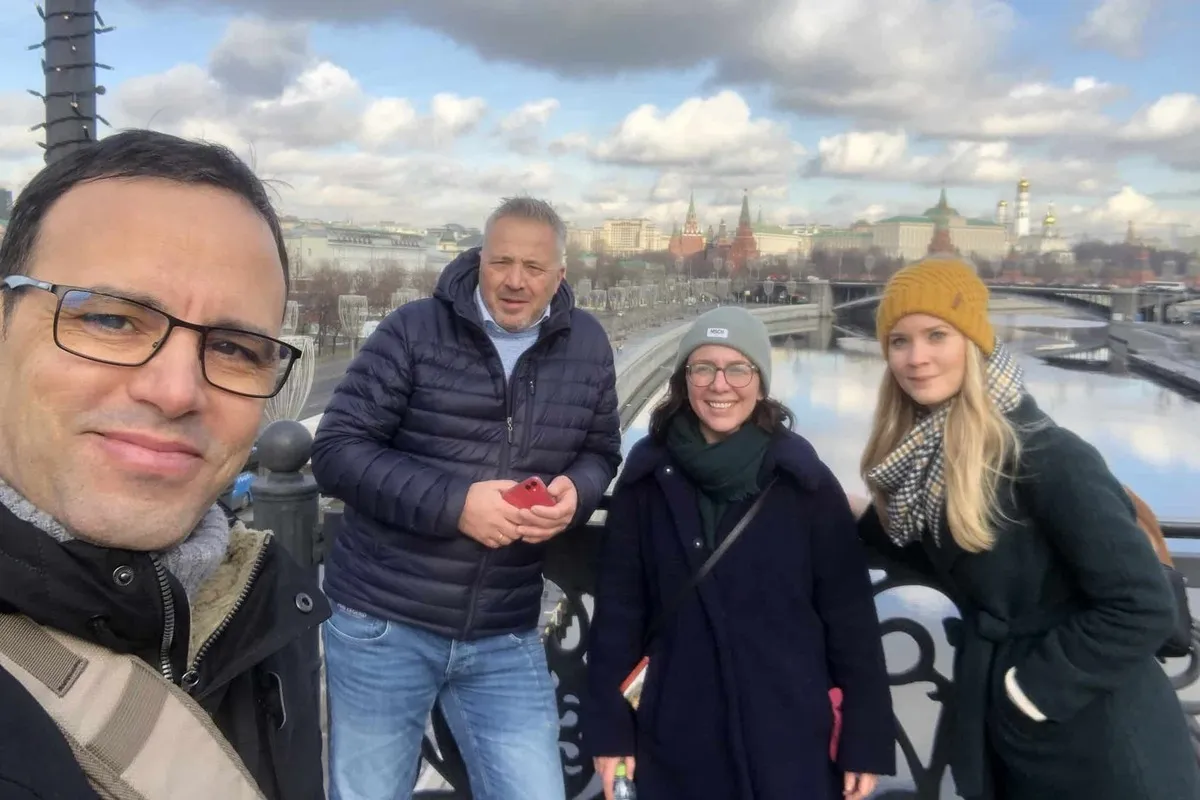
- Panoramic view of the Kremlin complex
The pace of the Moscow Free Tour is adapted precisely so that all participants can enjoy the journey, learn the historical details of each landmark, and take plenty of photos and videos—always respecting the directions provided by the guide to complete the itinerary in the scheduled timeframe.
This walking tour is ideal for the morning slots. We highly recommend checking out our selection of short tours to optimize your time in Moscow to the absolute fullest. For instance, you should not miss the subway tour or the night tour with transportation on the very same day; this is the smartest way to make the most of your stay in Moscow.
A Bit of History: Moscow, the Third Rome
Moscow has long been called the Third Rome. It is widely believed that the concept of the Third Rome was first formulated by the elder Filofei of the Pskov Eleazarov Monastery in 1523–1524. In two letters addressed to Grand Duke Vasily III, he identified the Grand Duchy of Moscow with the Kingdom of Rome—the mystical and indestructible bulwark of Christianity—expressing the idea that became a legendary phrase: "Two Romes have fallen, the third stands, and a fourth there shall not be."
The First Mention of the City of Moscow
Archaeological evidence strongly suggests that a settlement on the site of modern Moscow emerged by the late 11th century. However, the first official mention of Moscow in ancient chronicles is linked to the name of Prince Yuri Dolgorukiy. In 1147, Prince Yuri took possession of the estate of Boyar Kuchka (Moscow) and turned it into his personal hunting seat. The chronicle records that in 1147, Yuri invited Prince Sviatoslav Olegovich to his "city of Moscow."
Moscow the Capital
Moscow possessed a highly advantageous geographical position. It was naturally shielded by dense forests and buffer territories, located on the crucial commercial trade routes of the Volga River and other waterways, and had fertile lands well-suited for agriculture.
The massive leap in Moscow’s prominence took place under the reign of Ivan Kalita (Ivan I Danilovich Kalita, 1288–March 31, 1340—Grand Prince of Moscow and Vladimir from 1328, who successfully united the principalities of Moscow, Vladimir, and Novgorod), grandson of Alexander Nevsky. He built a secure wooden Kremlin in Moscow.
The word "Kremlin", translated from ancient Russian, originally signified the inner fortress of a city—the citadel. In 1366–1367, under the governance of Dmitri Donskoy (grandson of Ivan Kalita), construction began on the brand-new white-stone Kremlin of Moscow, which stood as the first monumental stone fortress in Russia.
Expansion and Consolidation
The Kremlin was expanded almost to the boundaries of the modern complex, although its early fortifications were lower than today’s structures. Its construction turned Moscow into an impregnable stronghold for its era. By the 15th century, following the conclusion of feudal fragmentation, Moscow became the recognized capital of northeastern Russia.
Under the reign of Ivan III (great-grandson of Dmitri Donskoy), monumental structures were erected: the Dormition Cathedral—which became the primary sanctuary of Russia and housed the holy icon of the Mother of God of Vladimir—the Palace of Facets designed for solemn royal receptions, and the Archangel Cathedral, which later became the final resting place and tomb of the Russian Tsars.
This is merely the beginning of Moscow’s profound history; there are still thousands of details and historic events that shaped this capital. Come visit the Russian capital with our Free Walking Tour and unlock its secrets alongside our expert guides.
Important Note about the Meeting Point
You can view the exact meeting point on the map using the specific coordinates, but we also provide pictures of the meeting point here to make it much easier to find us.
Our guides will carry Orange umbrellas or, in their absence, they will send you a photo of the guide who will be waiting for you; that is why it is highly important to provide your phone number when completing your booking.