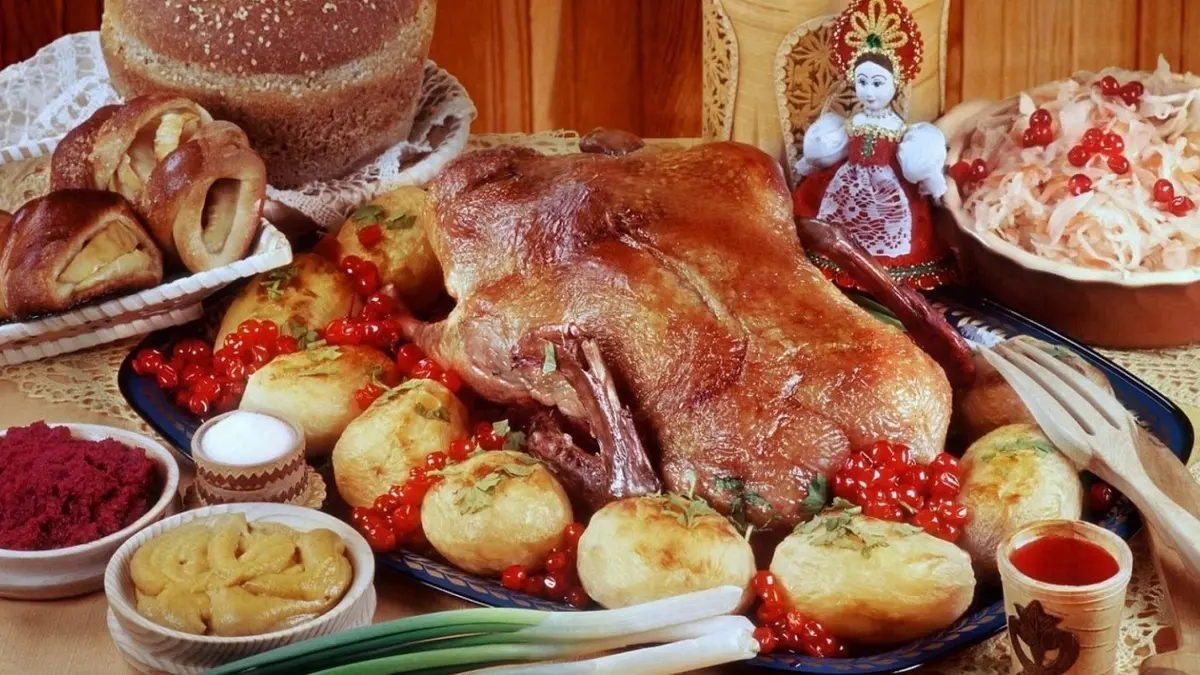
With a detailed immersion into the secrets of Russian Far East Cuisine, we proudly arrive at the final destination of our chronicle and journey through Russian gastronomy. Far beyond constituting a mere descriptive compilation of traditional dishes or open-fire cooking methods, this series of signature articles clearly reveals how Russian society is woven at its deepest layers, peacefully intertwining multiple ethnicities, traditions, and unique cultural expressions.
As its geographical boundaries indicate, this vast region lies at the remotest eastern edge of the Russian Federation, sharing borders and direct historical ties with major Asian powers such as China, Korea, and Japan.
The Sea of Okhotsk and the Pacific on the Slavic Table
None of Russia’s many traditional provincial cuisines enjoys such abundance, variety, and freshness in seafood as the gastronomy of the Far East. Along these Pacific coasts, locals did not limit their diet to numerous varieties of northern fish and coveted caviar; they also integrated sumptuous ingredients such as giant Kamchatka king crabs, squid, octopus, and delicate scallops into their daily recipes.
The first Russian settlers who landed in these untamed territories assimilated and borrowed valuable culinary formulas from the indigenous tribes of the taiga: the Nivkhs, Udeges, and Evenks.
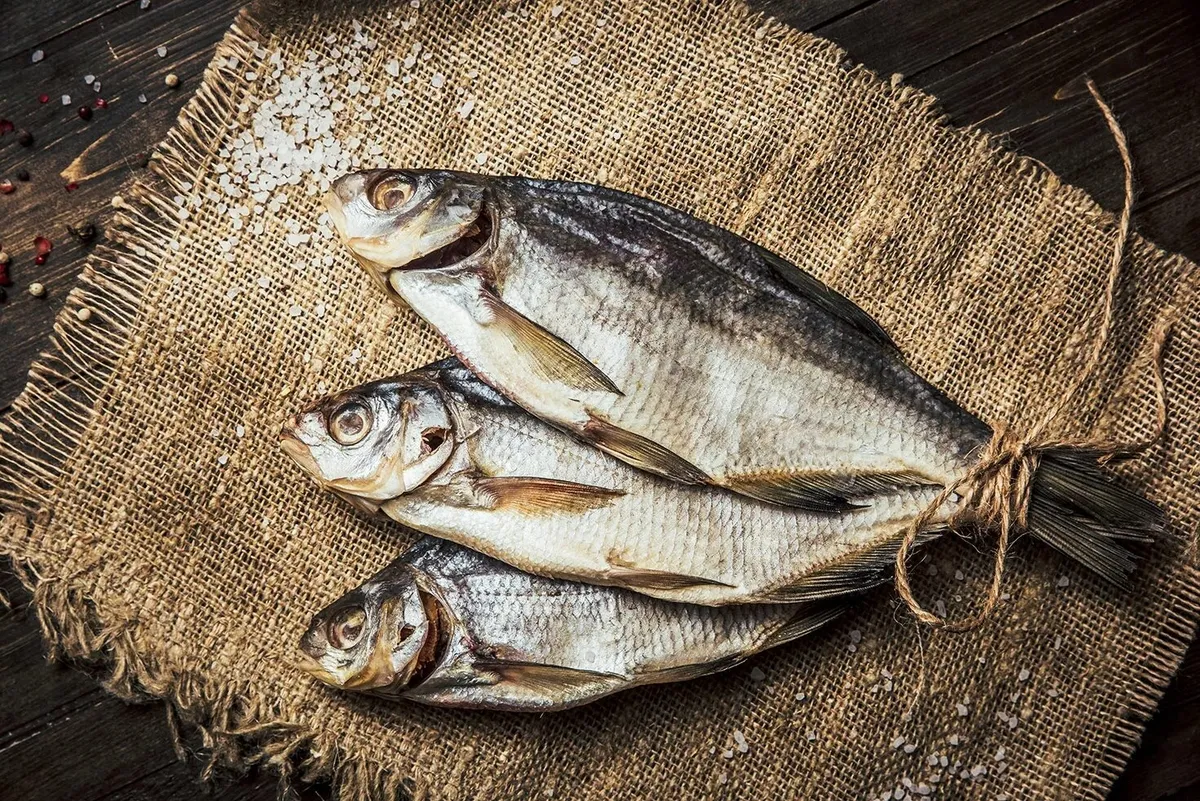
Under their guidance, settlers learned to prepare traditional dried Sitmi fish, which was customarily crushed and mixed with wild cranberries and bear garlic. They also mastered roasting big game meats (such as Siberian deer) directly over forest embers and preserving edible fern shoots in brine to ensure sustenance throughout the harsh winter.
Toward the closing decades of the 19th century, waves of peasants from Ukrainian provinces and the southern empire firmly settled in the Primorye region. These migrants faithfully preserved the flavors of their homeland cuisine while carefully adapting recipes to incorporate the unique ingredients offered by the Pacific coast.
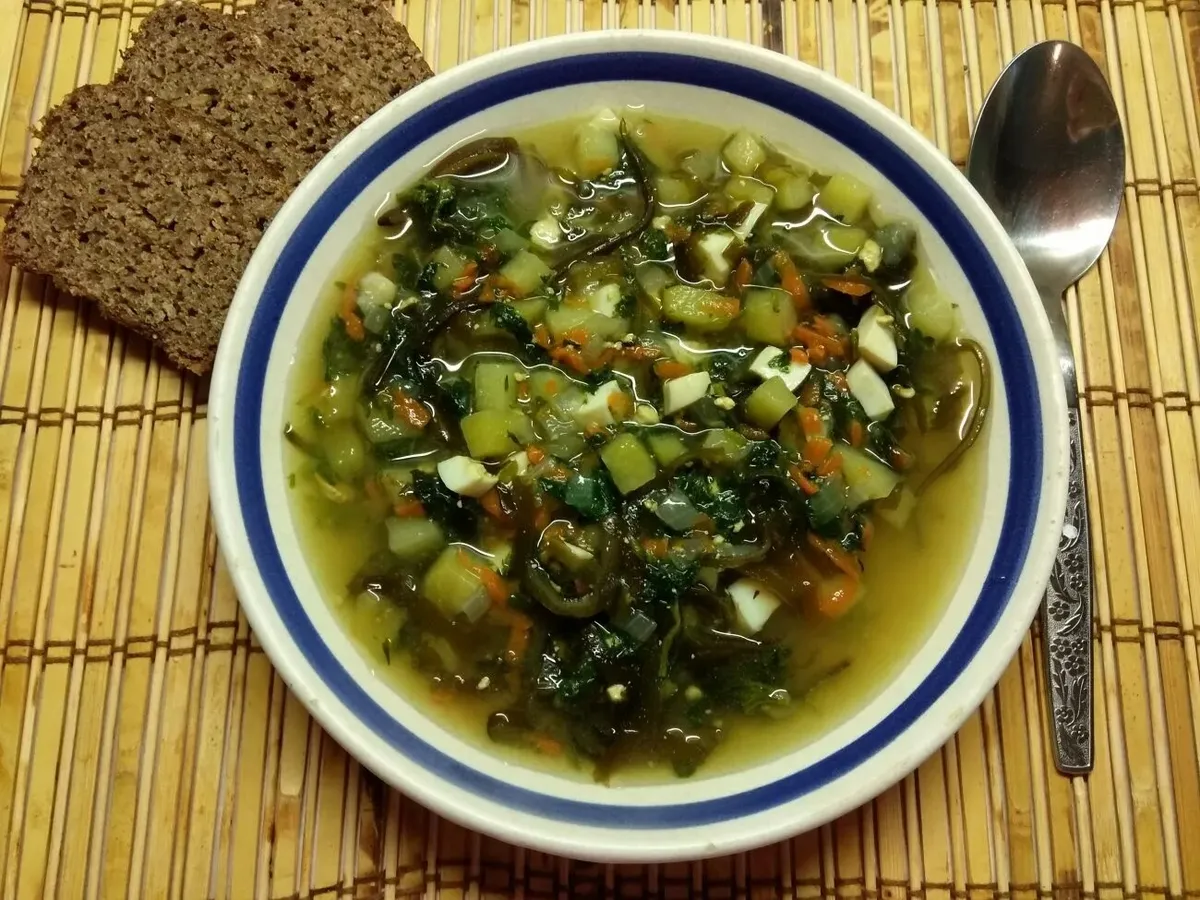
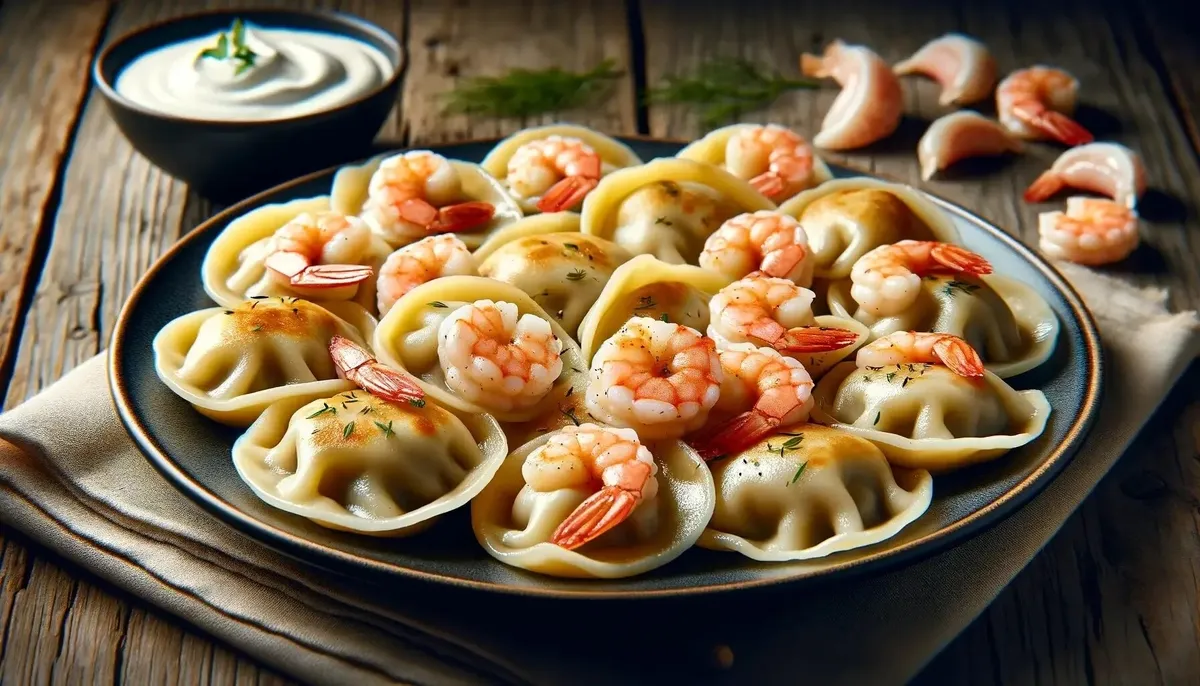
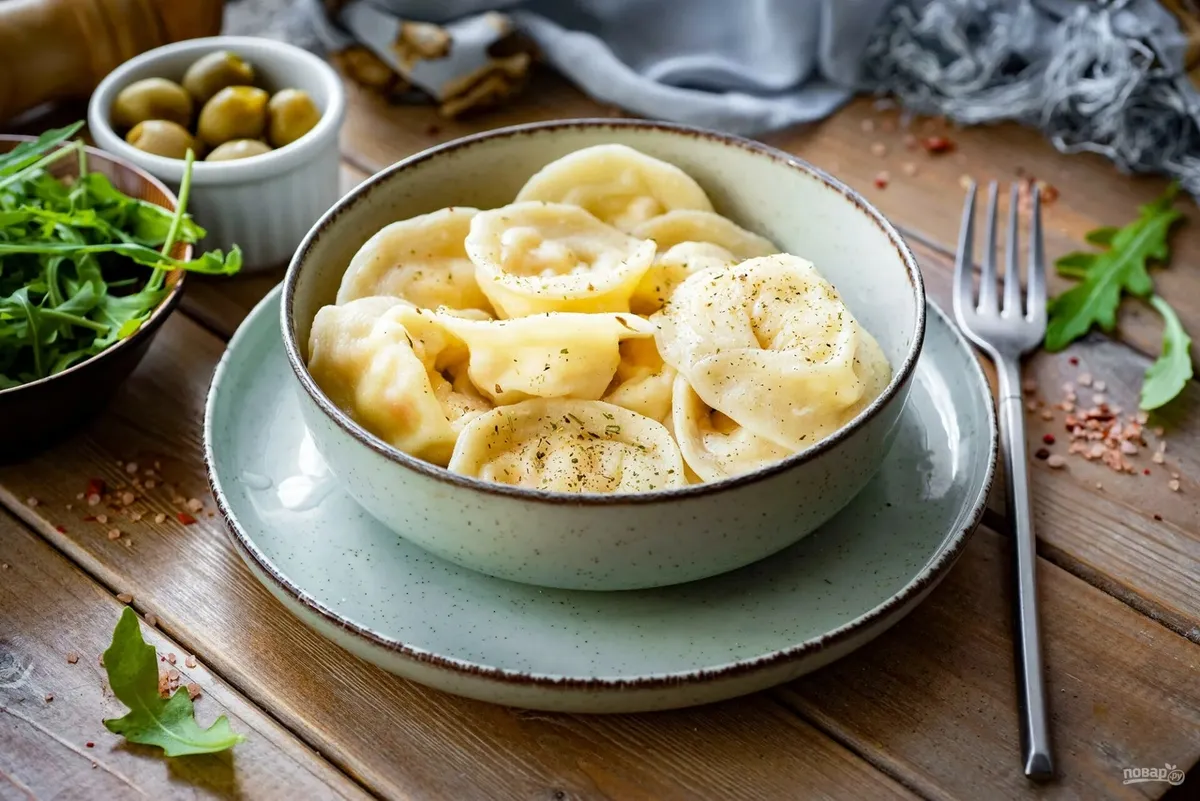
From this creative fusion emerged specialties entirely unusual for the rest of the country, such as sumptuous seaweed borsch, rich fish soups made with wild king salmon, and iconic pelmeni stuffed with minced squid.
Culinary Influence of Neighboring Countries: The Primorye Format
The culinary traditions of the Russian Far East are deeply shaped by cultural ties with neighboring Asian nations:
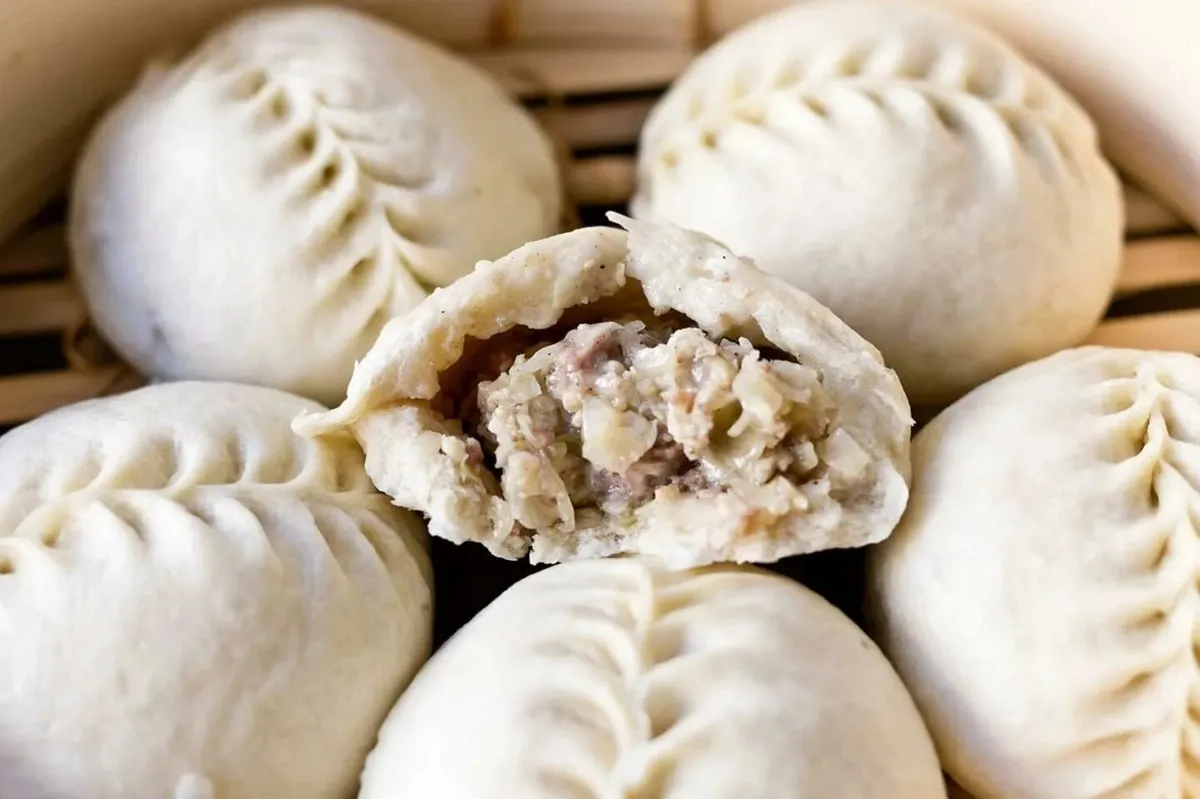
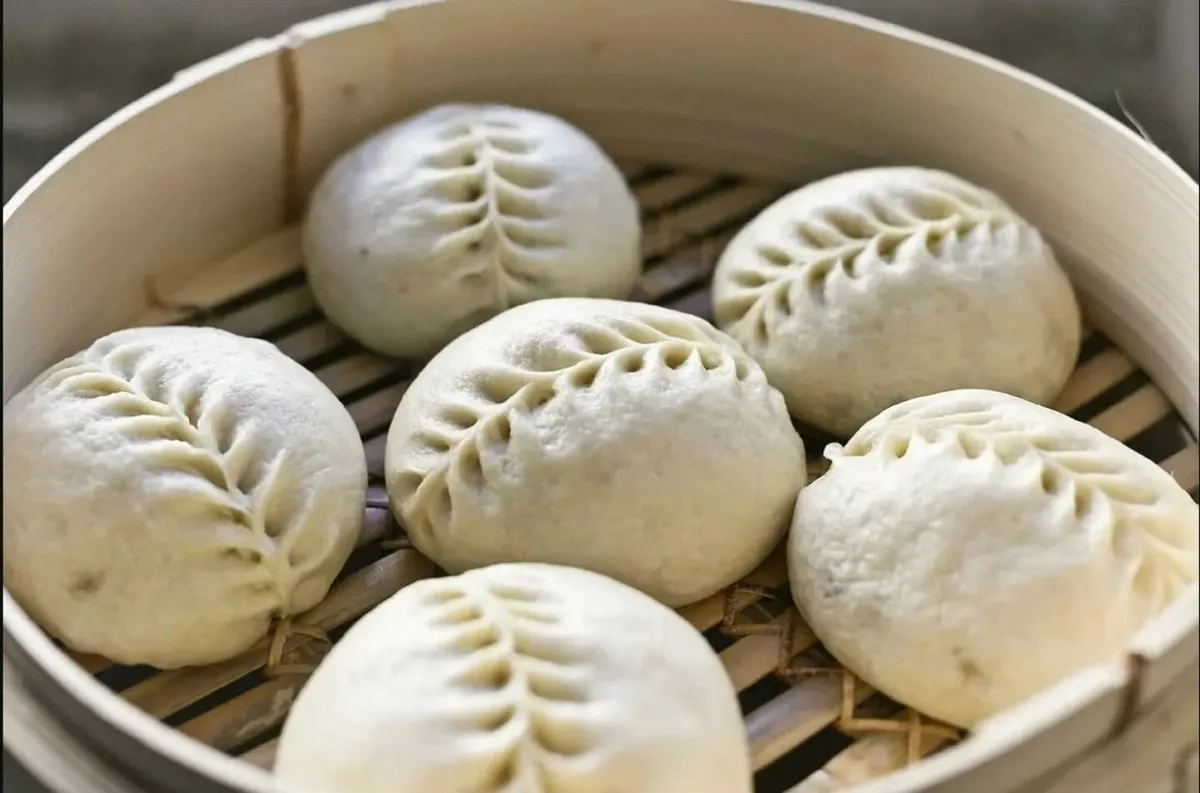
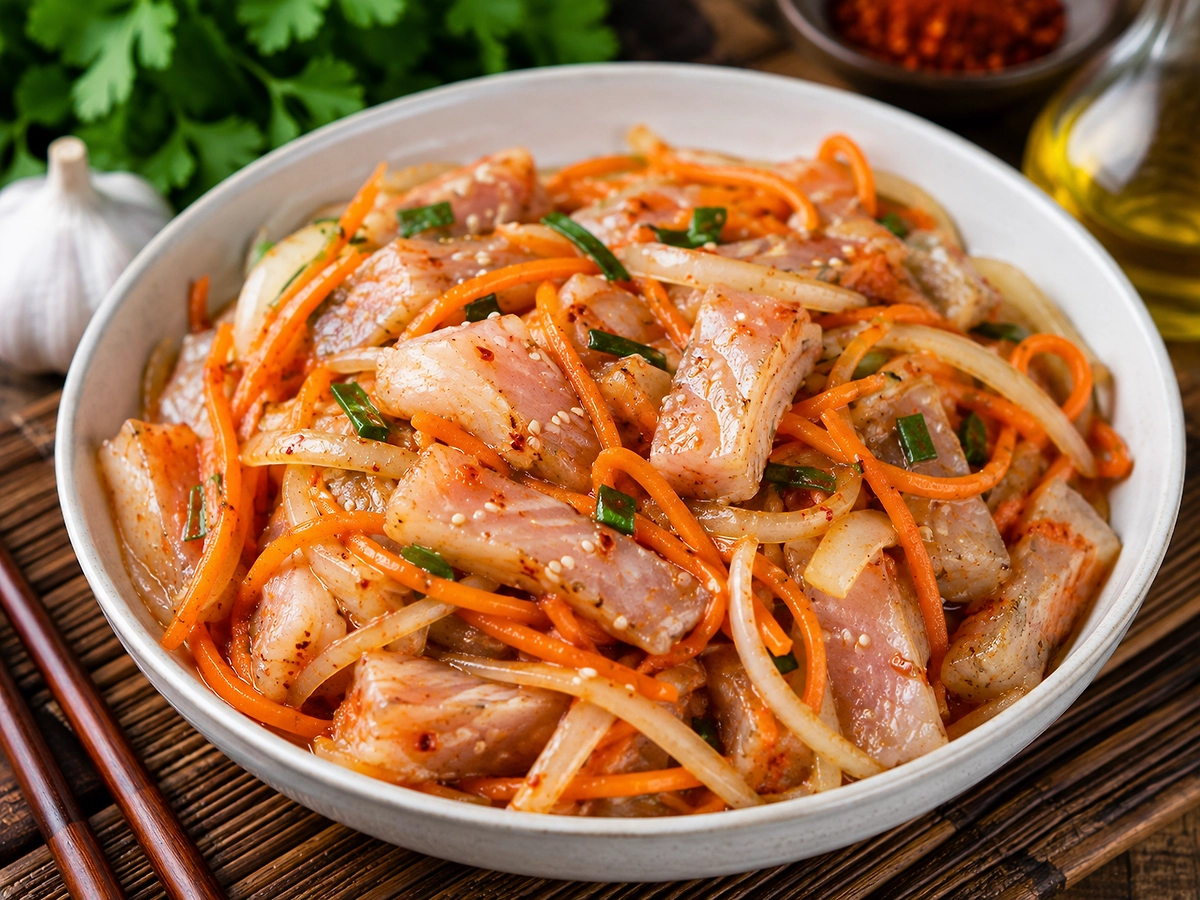
- From Korea: The street food specialty that reigns supreme along the avenues of Vladivostok is Pyang-se (or Pyan-se), fluffy yeast-dough buns strictly steamed in bamboo baskets and filled with spiced minced meat and seasoned cabbage. Equally popular is Hye (or Hyo), a flavorful dish of fresh fish marinated in vinegar, sesame, and hot spices that challenges classic Slavic palates.
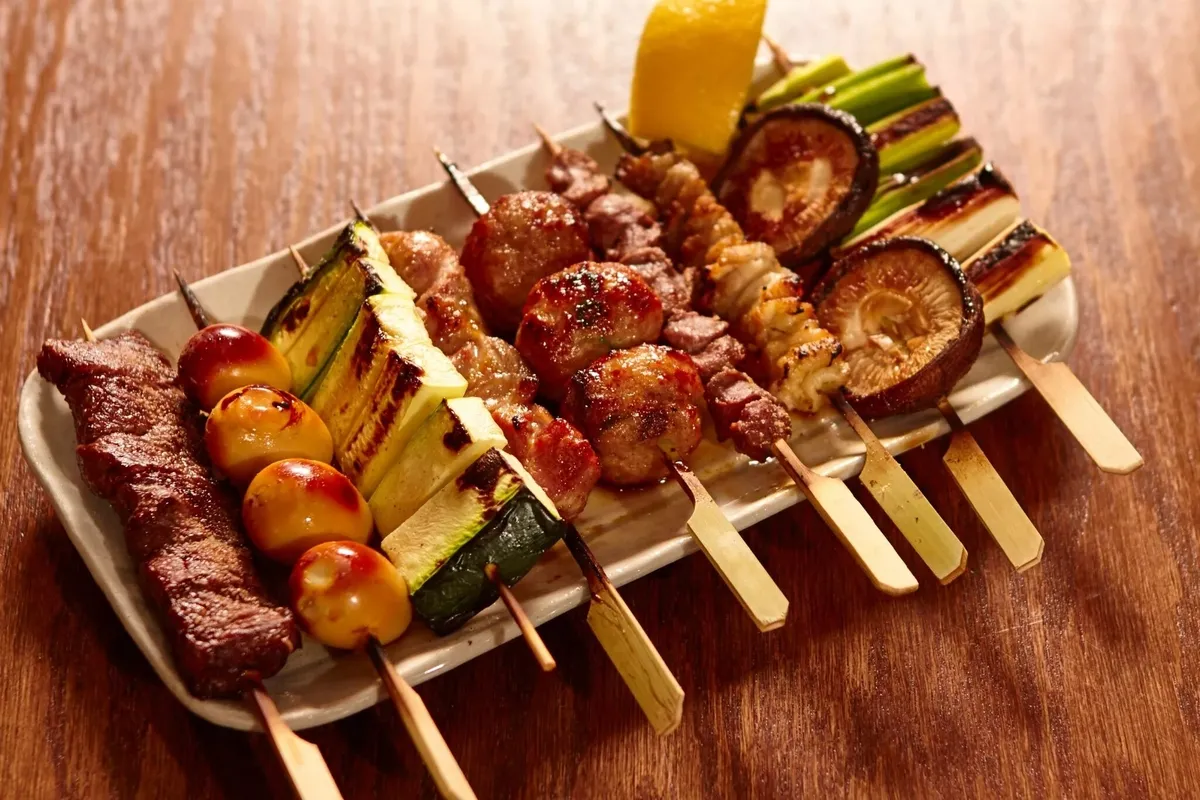
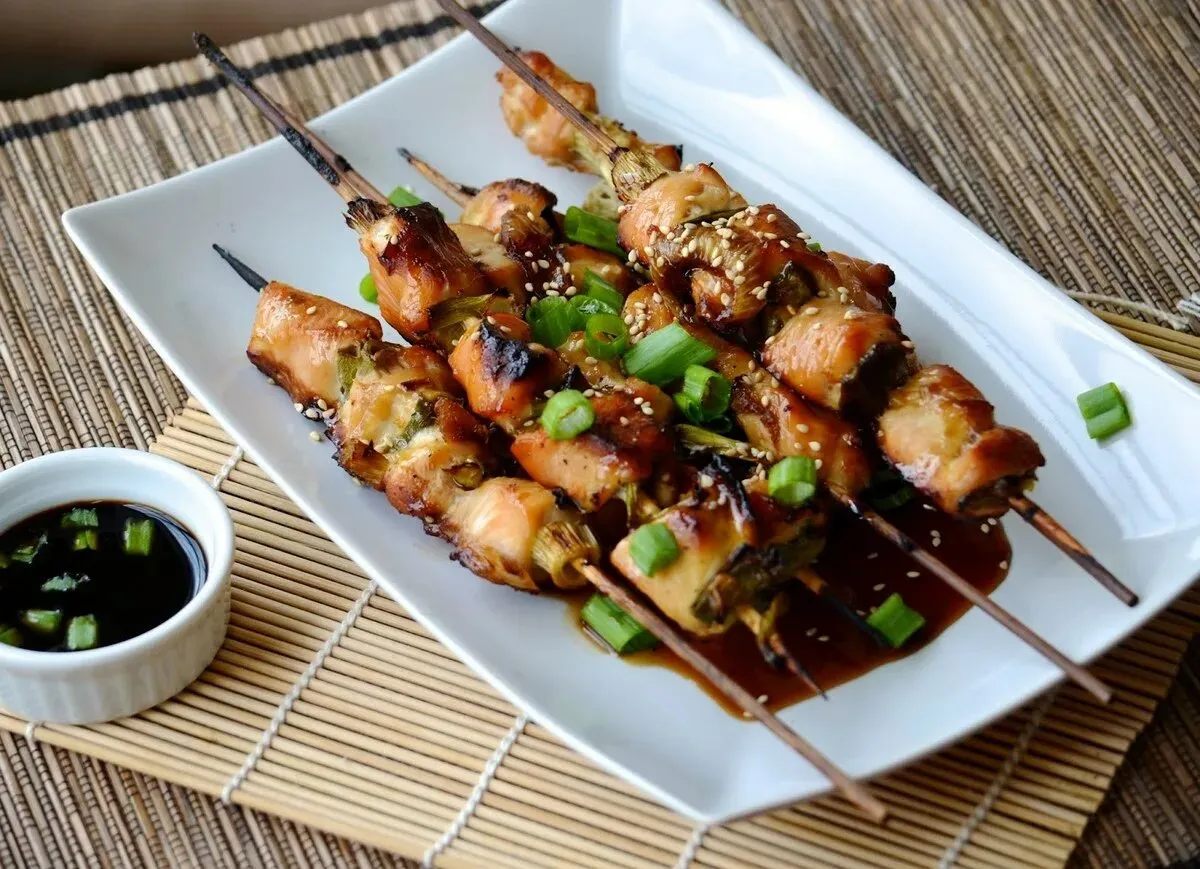
- From Japan: Local restaurants seamlessly adopted Yakitori chicken skewers, glazed with sweet soy and ginger sauces and grilled right in front of the guest.
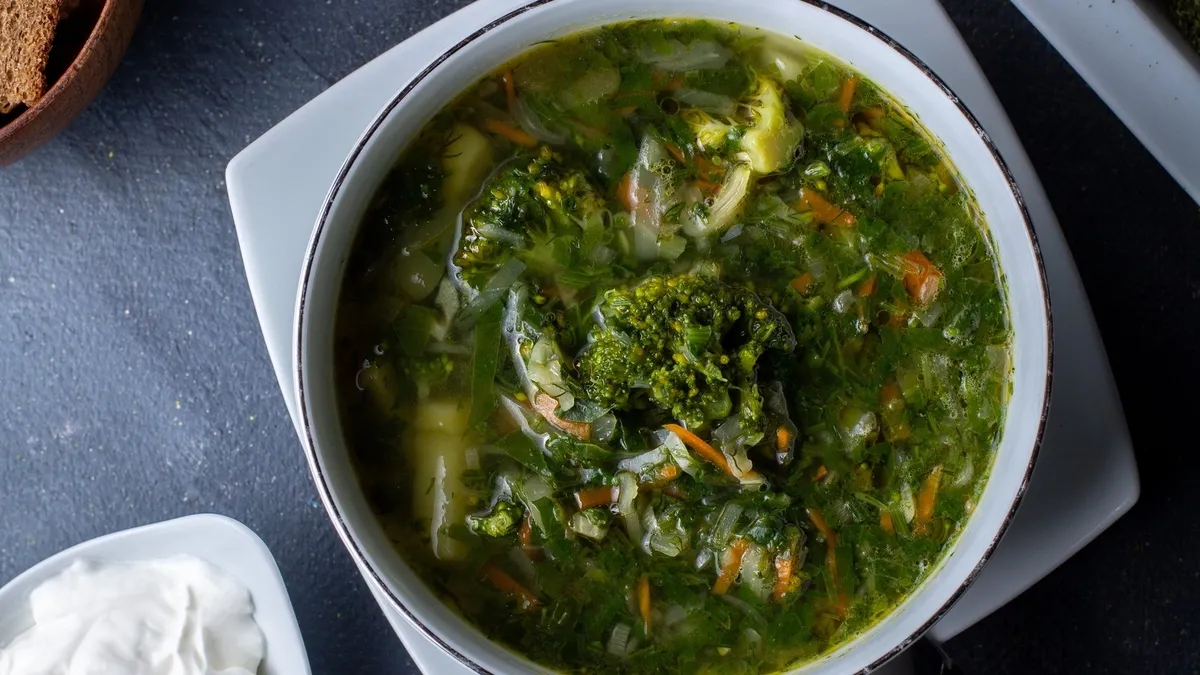
- From China: Cooks embraced high-temperature wok stir-frying, sweet-and-sour meat pairings, and the addition of wild tree mushrooms to winter broths.
Discovering the Eurasian giant through its flavors is a sensory travel experience no discerning traveler should miss, as it reveals the physical and human immensity of the country.
Visiting the Russian Far East with Local Experts
If you wish to delight your senses tasting authentic steamed Pyang-se or seaweed borsch in the finest restaurants of Vladivostok and Moscow assisted by official guides in your language, we take care of every detail. Our dedicated team ensures a seamless, safe, and memorable journey.
Imperial Culinary Connection Gateway
This chronicle of Pacific delicacies and Asian steamed buns concludes our series on Slavic gastronomy. To explore the foundations of the traditional Moscow stove or the 60 varieties of cabbage soup in the heartland, we invite you to read our cornerstone article: Journey Through Russian Cuisine: The Map of Imperial Flavors.
Would you like to taste authentic steamed Pyang-se or seaweed borsch in the top restaurants of Vladivostok and Moscow with an official English-speaking guide? We ensure an unforgettable experience. Contact our travel advisors directly or explore our curated Catalog of Private Tours.