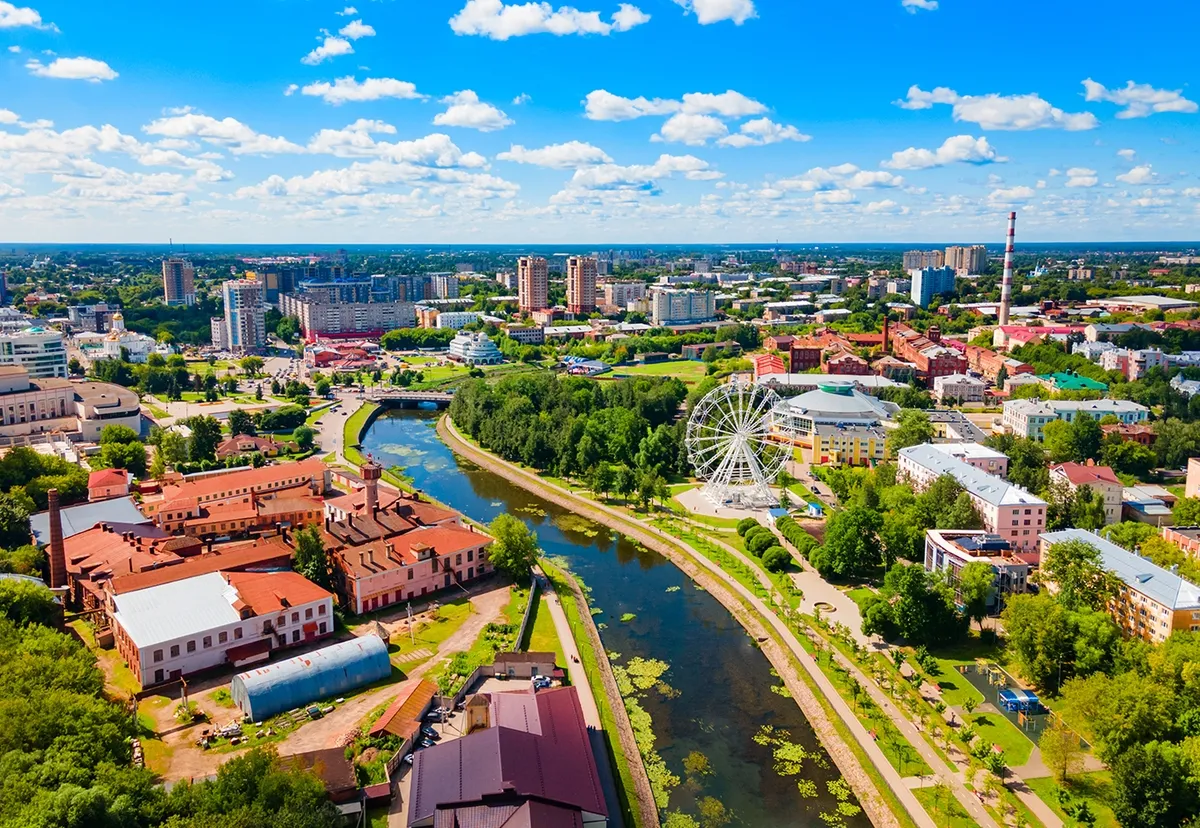
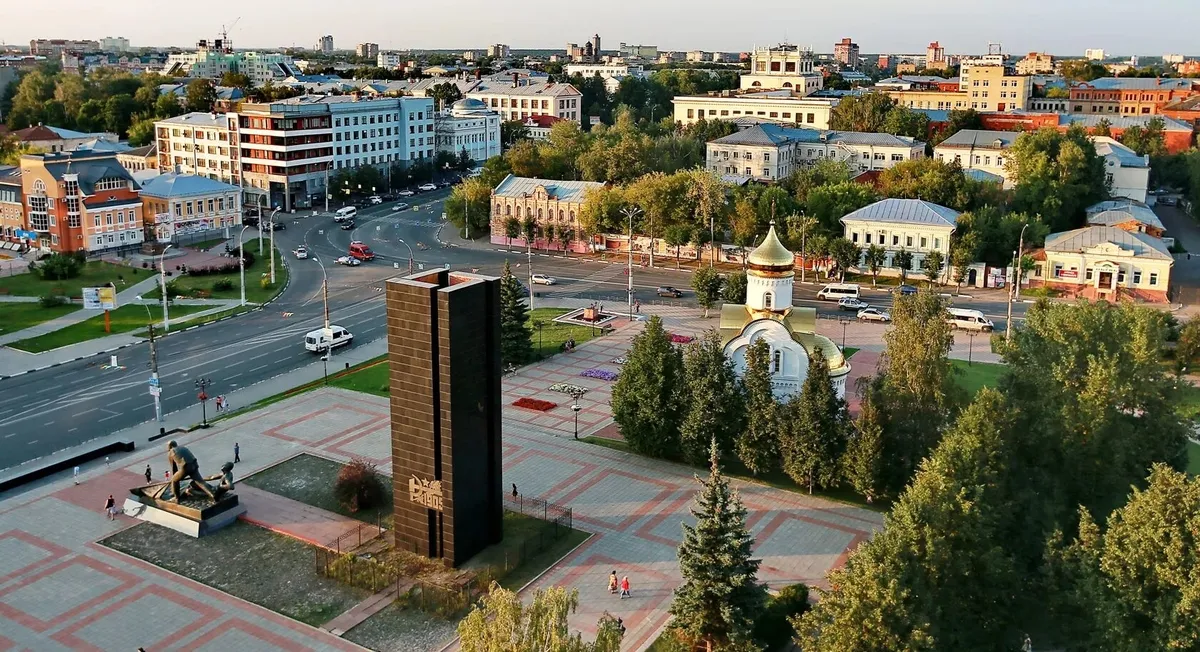
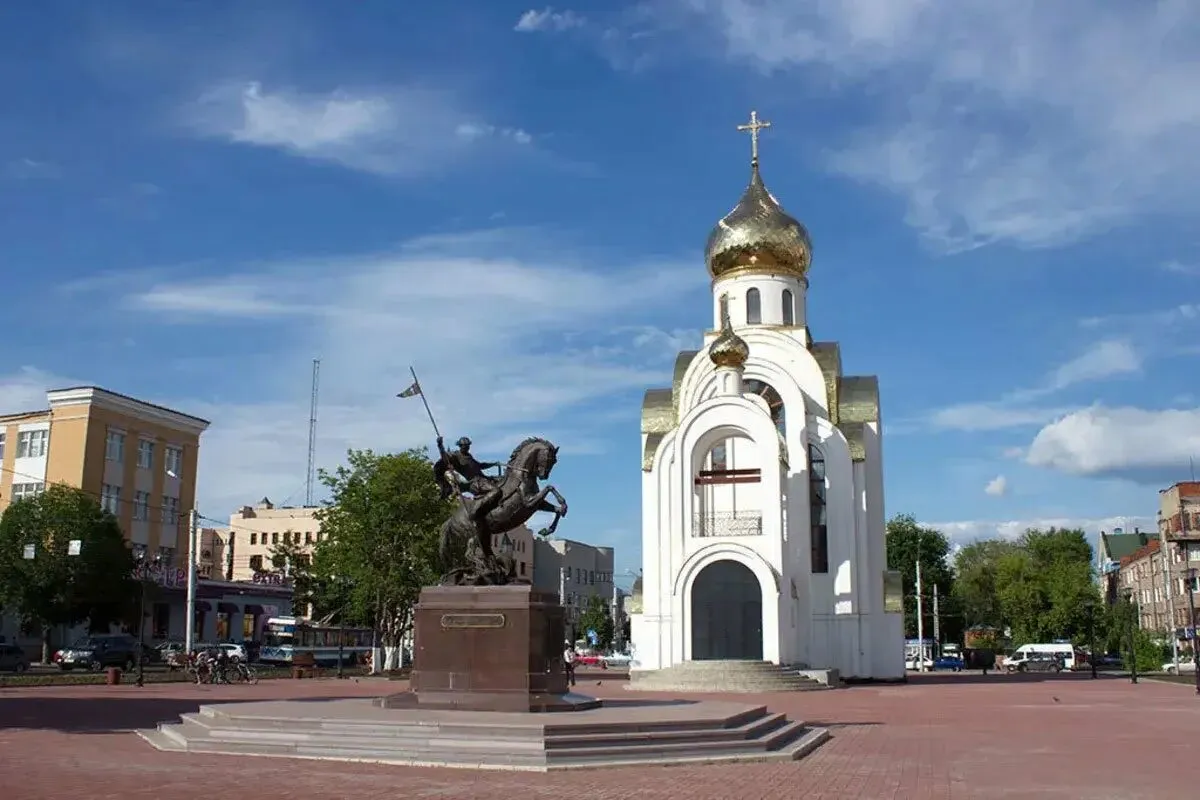
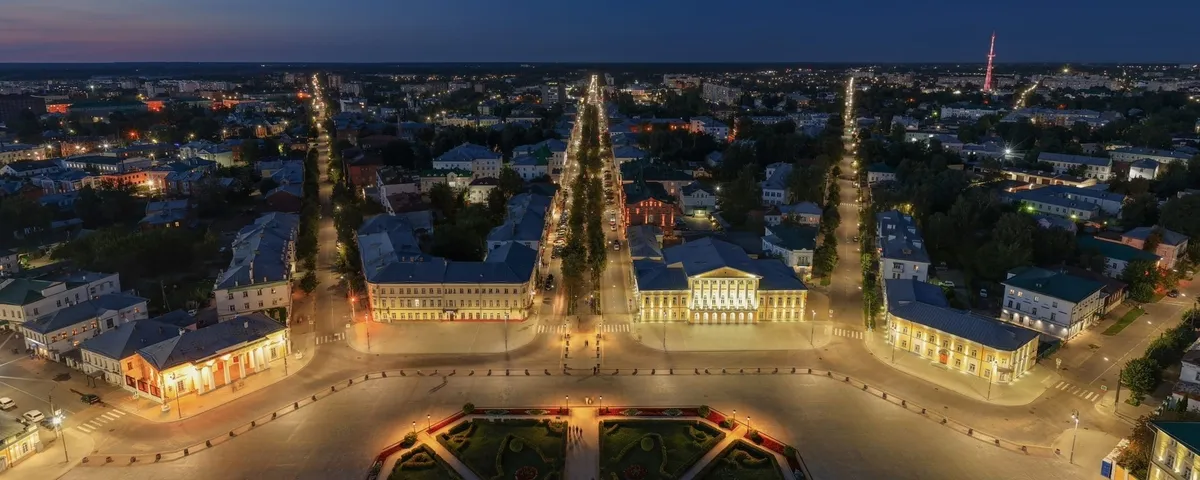
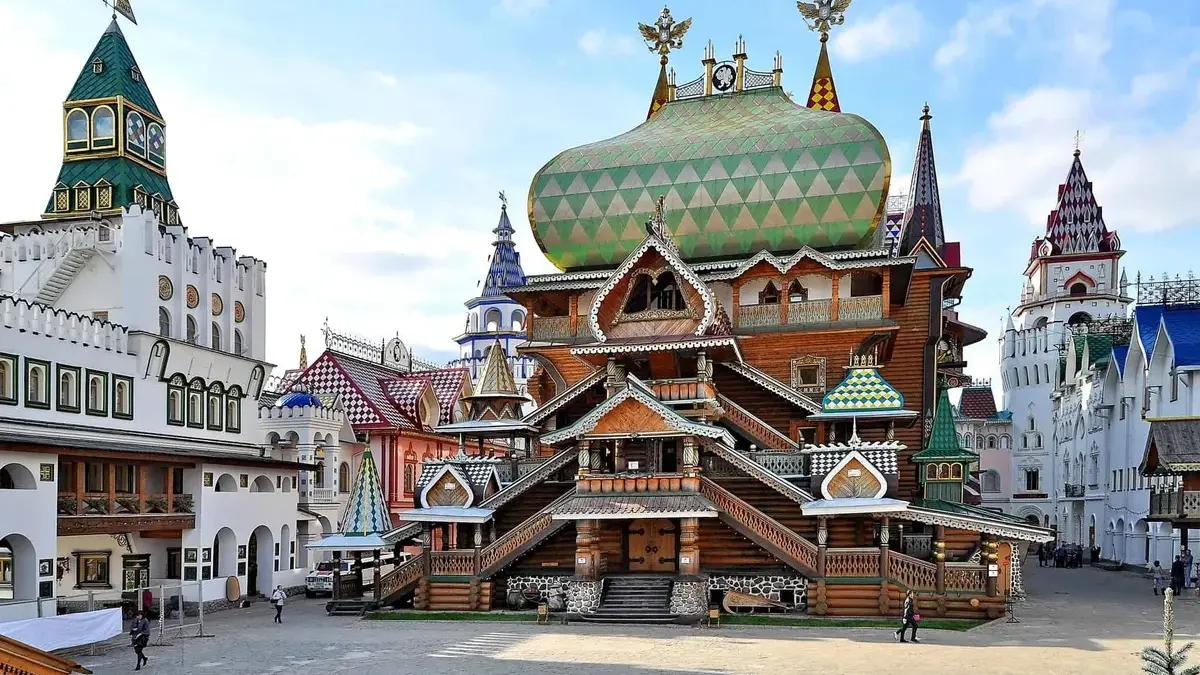
The Golden Ring of Russia constitutes a cluster of historical Russian cities of inestimable patrimonial value, strategically located northeast of Moscow and southeast of St. Petersburg. The geographical distances separating these medieval nuclei are highly compact, allowing road journeys to be covered in a comfortable arc of between 2 and 4 hours of travel, transforming the route into the preferred getaway circuit for international travelers.
It is worth noting with a firm authorial emphasis that, although the dominant aspect and guiding thread of this itinerary is eminently religious and ecclesiastical, each of the provincial capitals visited shelters an elastic immensity of untouched nature, majestic rivers, picturesque forests, and a colorful native folklore. Coupled with the landscape, each town stands out in the market by showcasing its own traditional gastronomic character, fine handicraft markets, and unparalleled human warmth.
The official composition of the cities that make up the Golden Ring of Russia gathers the following secular names:
- Sergiev Posad • Suzdal • Vladimir • Rostov the Great • Yaroslavl.
- Pereslavl-Zalessky • Kostroma • Ivanovo • Uglich • Plios.
Completing the entire circuit at a leisurely pace would require a minimum planning of two net weeks in the destination; for this logistical reason, at the Excursions in Russia agency we prefer to recommend our VIP visitors concentrate their energy and budget on exploring a preferred section of the route. It is inconceivable to leave the country without admiring the sacred complex of Sergiev Posad. Complementarily, we advise marching towards the architectural beauty of Vladimir and Suzdal, allocating the remaining days to explore the heritage of Yaroslavl and Rostov the Great. Below, we detail the chronicles and secrets of these imperial gems.
1. Sergiev Posad: The Vatican of Russian Orthodoxy
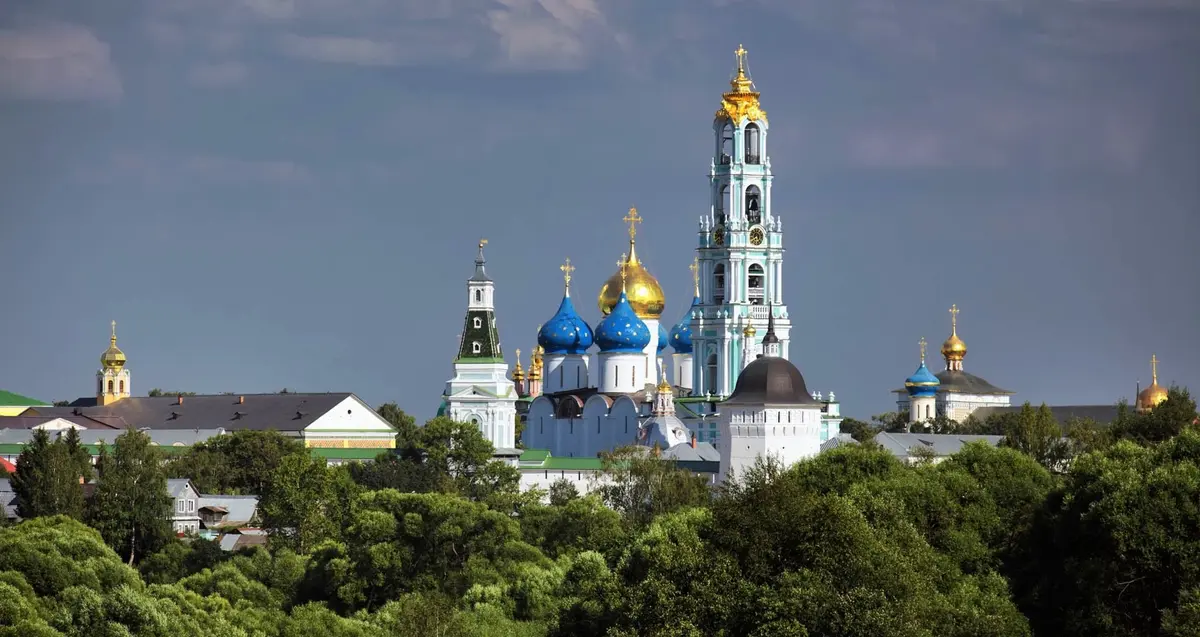
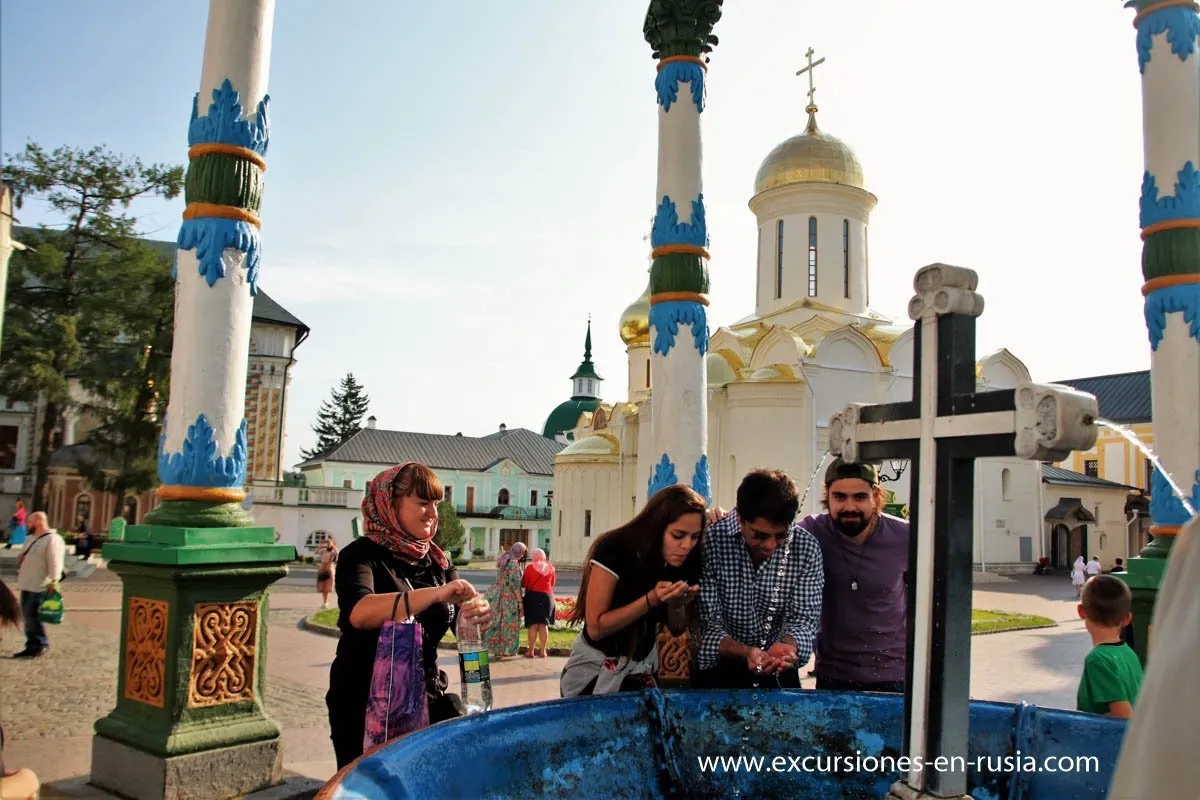
The celebrated city of Sergiev Posad crowns itself unanimously as the undisputed pearl of the Golden Ring and the supreme spiritual center of all Slavic Orthodox Christianity, located at a comfortable logistical distance of just 75 kilometers from the historical Moscow center. The city owes its nominal nomenclature to the figure of St. Sergius —known historically as Sergius of Radonezh—, a monk of angelic meekness and mysticism who was born in the nearby village of Radonezh. Towards the 14th century, Sergius founded a small wooden monastery in this forest clearing which, with the passing of centuries, flourished to become the largest, richest, and most majestic monastic enclosure in Russia.
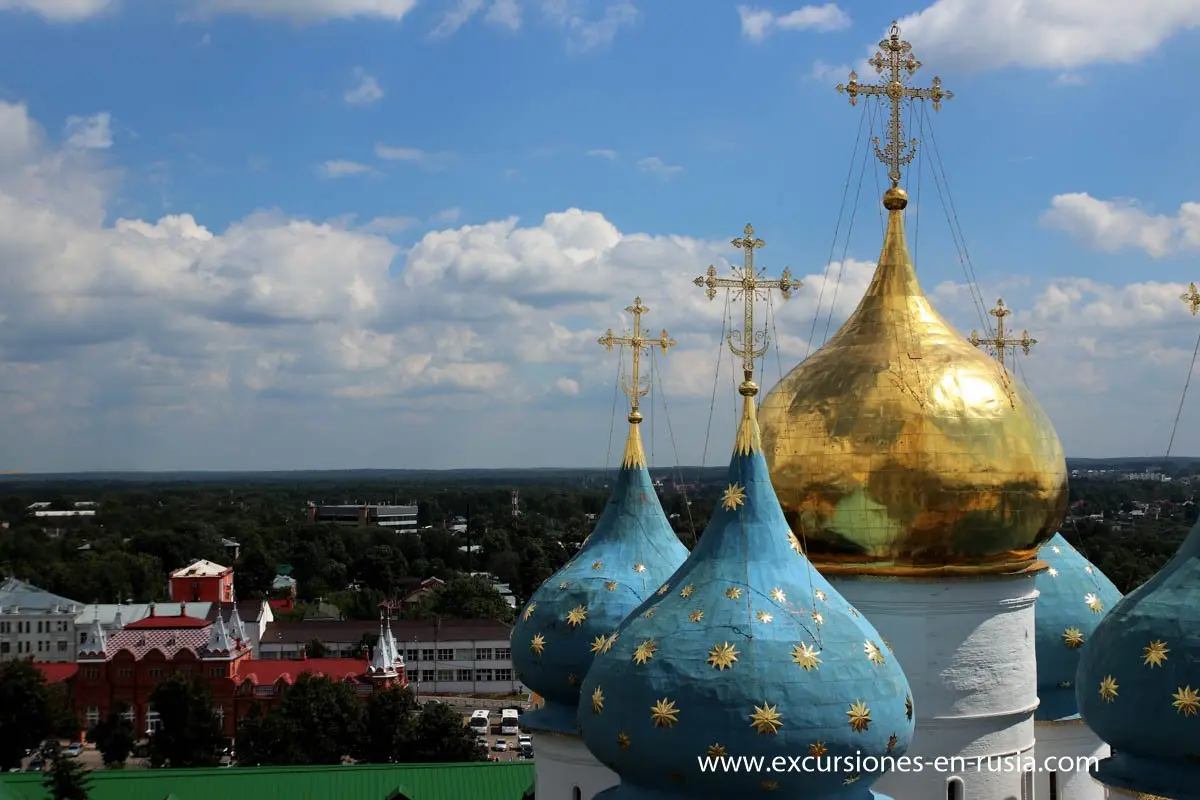
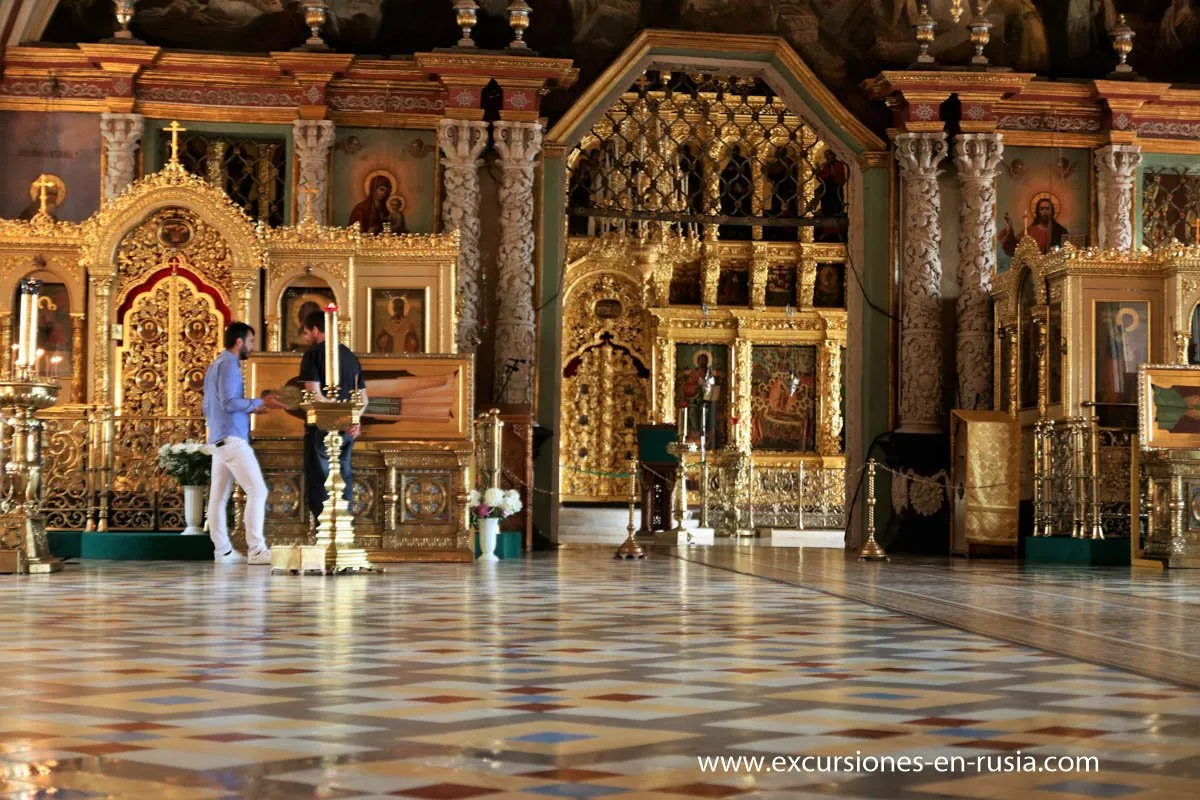
In the current panorama, the complex is split administratively under the status of the Trinity Lavra of St. Sergius, earning itself the title of the "Russian Vatican" in international catalogs. The architectural and liturgical heart of the complex corresponds to the magnificent Trinity Cathedral. The primitive wooden structure where the saint’s remains rested was destroyed and burned by the incursions of the Tatar hordes; however, his underground tomb eluded the devastation in a miraculous way, and the construction of the sumptuous white stone temple began in 1422, towards which the uncorrupted body of the abbot was transferred.
Although Tsar Peter I moved the court and the geopolitical axis to St. Petersburg, the Lavra retained its status as the command center of the Russian Orthodox Church until it was abruptly closed in 1920 by the Soviet government. Joseph Stalin authorized its liturgical reopening in 1946 coinciding with the patriotic Victory celebrations, with the enclosure serving as the official residence of the Patriarch of Moscow until the honor was transferred to the Danilov Monastery in 1988. Today, the Lavra receives thousands of pilgrims and private cultural excursions daily in all seasons of the year.
2. Suzdal: The Fairy Tale of Wooden Architecture
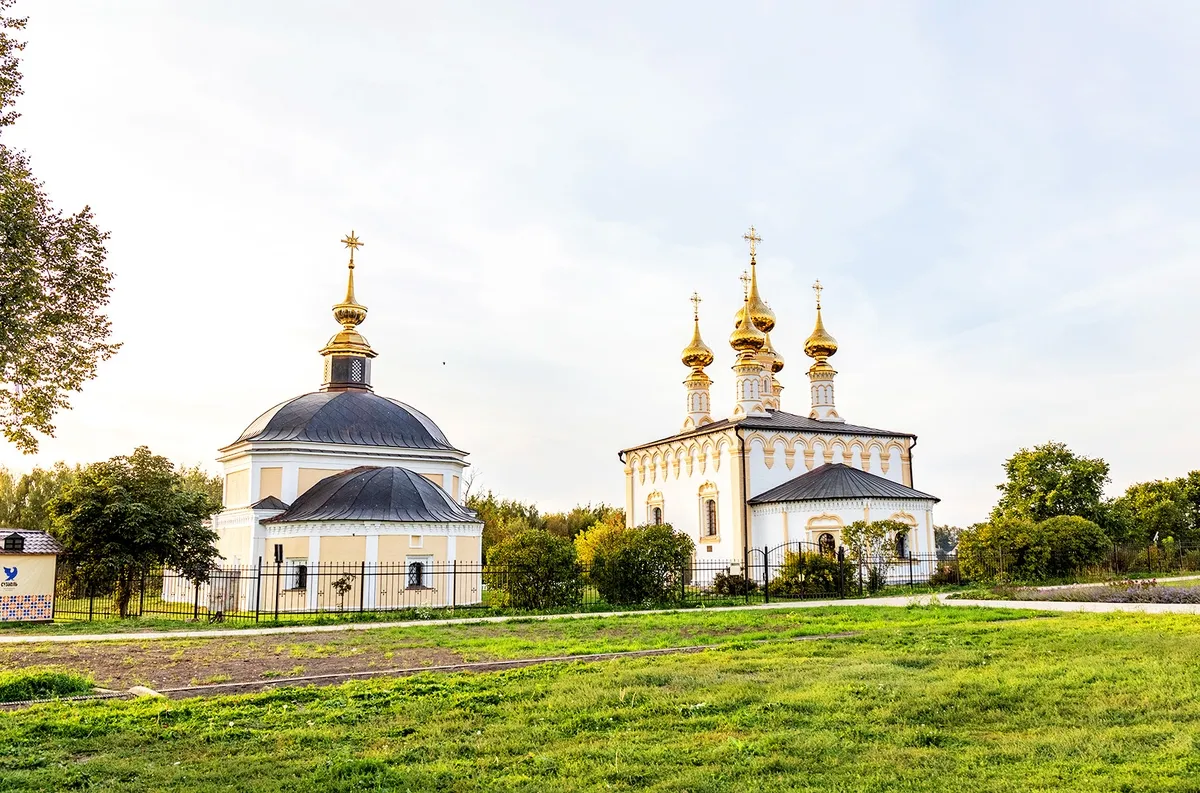
The idyllic and beautiful village of Suzdal, sheltered by a compact demography that barely reaches 12,000 inhabitants, represents an exceptional tourist milestone in the Eurasian market. The flow of high-status travelers remains permanently high because Suzdal has managed to impeccably preserve an atmosphere of picturesque timelessness, peace, and provincial tranquility that dazzles the senses of passersby. Between the 12th and 14th centuries, the city operated as one of the most powerful and opulent capitals of ancient Russia, a stately splendor from which more than 70 protected historical monuments dating from the temporal arc between the 12th and 18th centuries have been preserved intact.
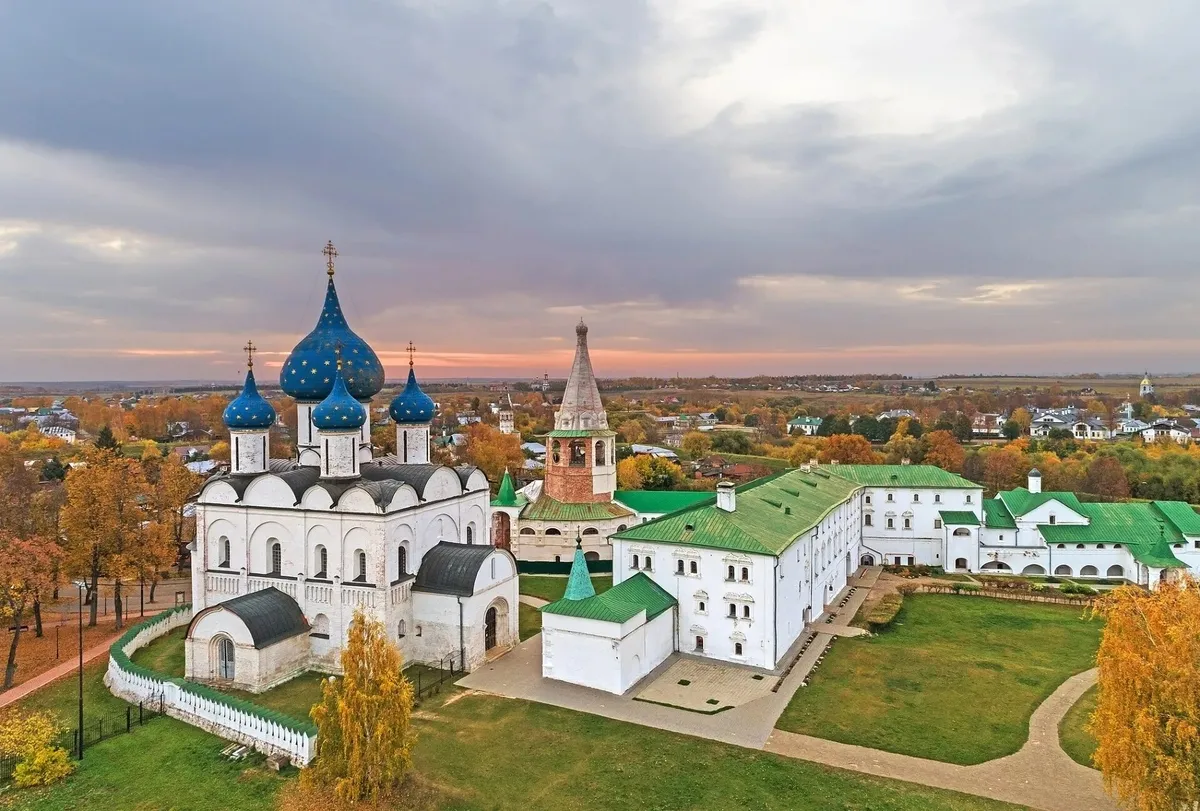
The outline of the Suzdal Kremlin sits on the winding bank of the Kamenka River, guarding in its central courtyard crowning structures such as the Cathedral of the Nativity (13th-16th centuries) equipped with beaten gold gates and its monumental stone bell tower from 1635.
Beside it, the traveler must stop before the Convent of the Intercession (founded in 1364), whose secular walls guard a mystical underground crypt that acts as the official pantheon of royal and aristocratic women fallen into disgrace in court intrigues.
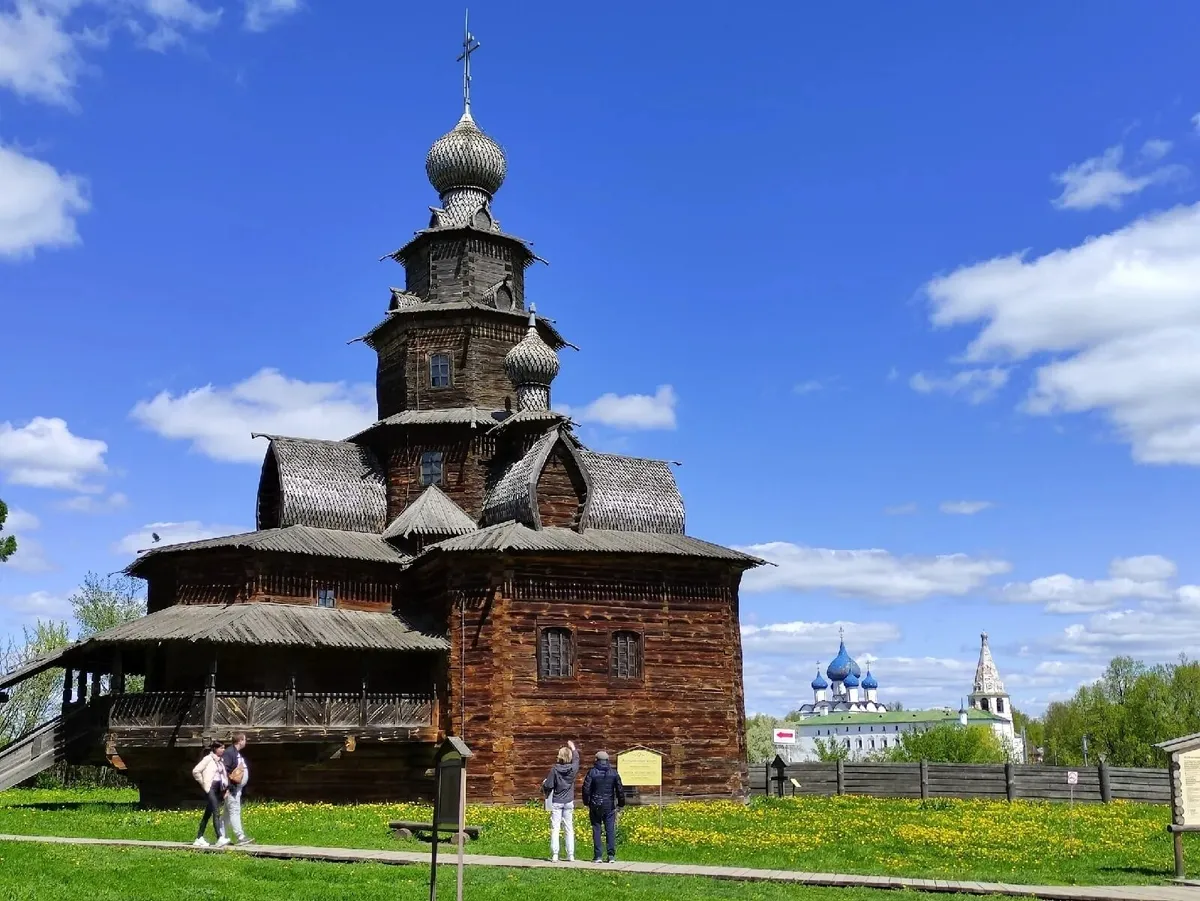
Beneath its white stone slabs rest the remains of the nun Alexandra (daughter of Tsar Ivan III), Solomonia Saburova (repudiated wife of Grand Duke Vasili III), Anna Vasilchikova (wife of Ivan the Terrible), and Empress Evdokia Lopukhina, the first consort of Peter the Great who spent nineteen years of forced confinement behind its bars, consolidating an imposing journey that is complemented by a visit to the Museum of Wooden Architecture and Peasant Life.
3. Vladimir: The Ancient Capital of the Grand Dukes
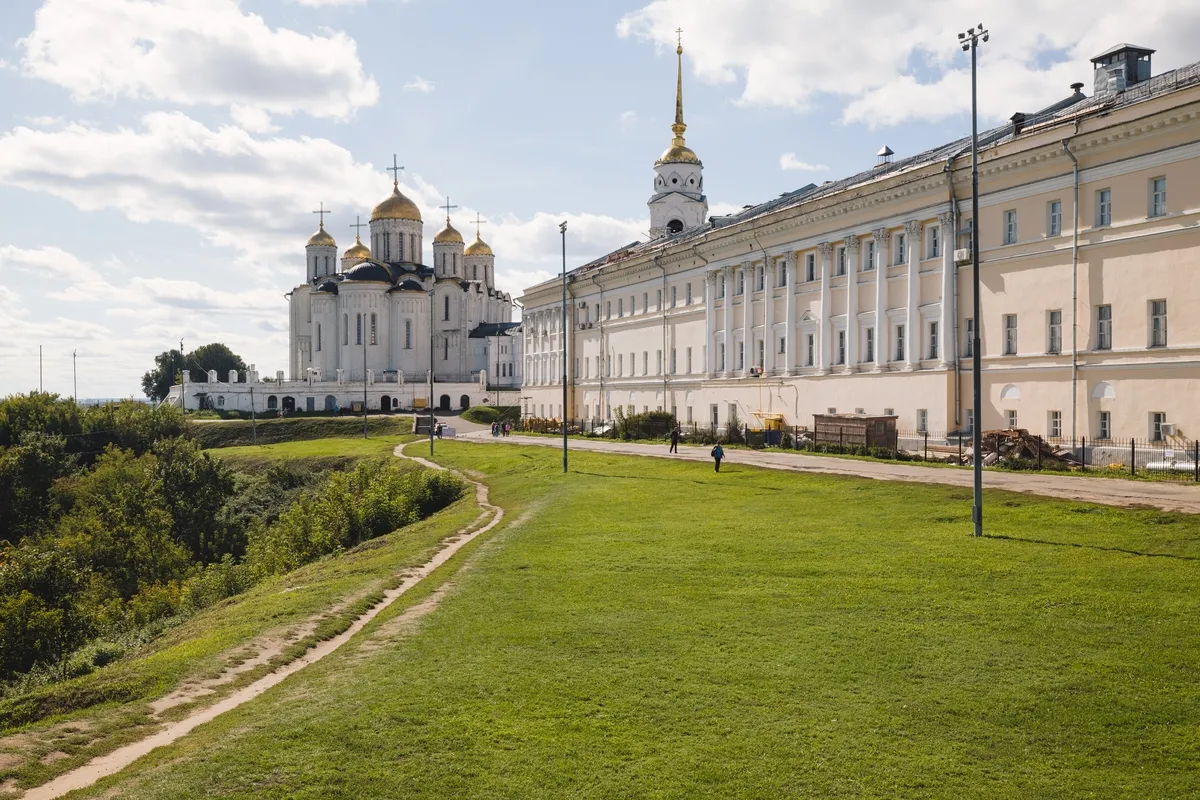
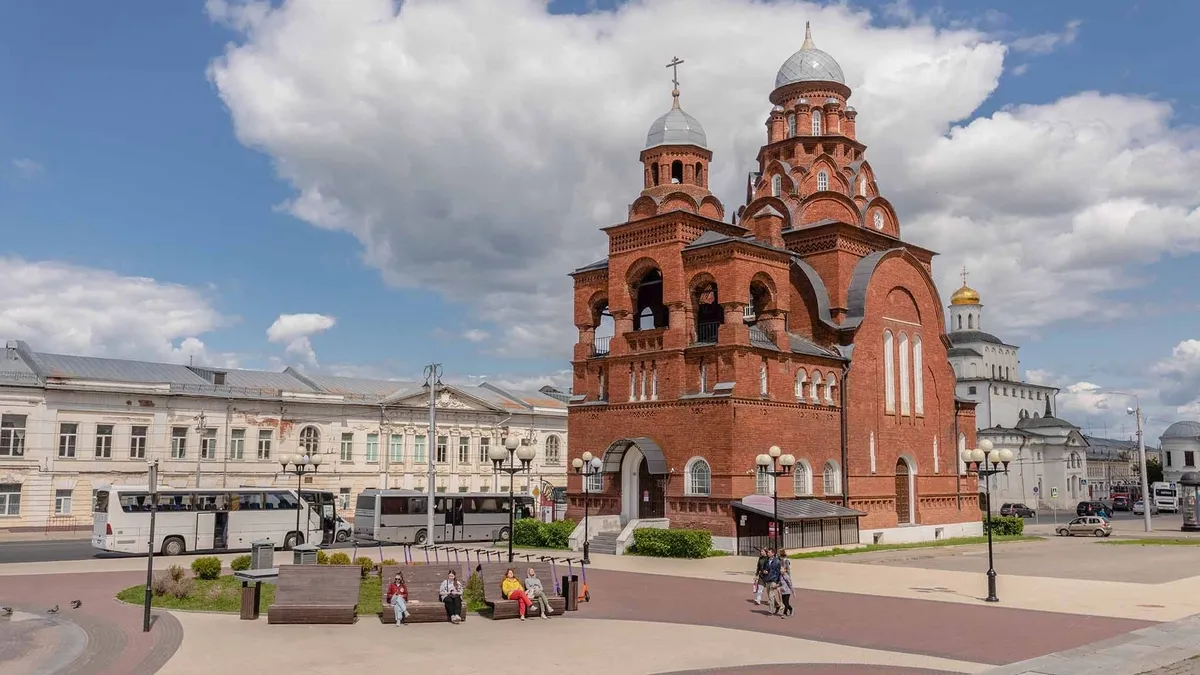
The stately city of Vladimir exercised the function of political and civil capital of the old Russian State during a prolonged cycle of more than 250 years, assuming a leading role in the historical consolidation of national identity. Until the year 1432, court etiquette dictated that all Grand Dukes of Russia had to be consecrated and crowned strictly beneath the neoclassical vaults of the Dormition Cathedral, an architectural feat erected between 1158 and 1160 by order of Prince Andrei Bogolyubsky. The interior space of the temple treasures inestimable artistic value, housing the world-famous original wall frescoes painted by master Andrei Rublev, which have been preserved with zeal to this day.
Bogolyubsky conceived the Dormition Cathedral with the firm and patriotic promise that it would become the mother temple of the entire Slavic Church; beneath its vaults, the nation’s most sacred and revered relic was enthroned in September 1164: the miraculous icon of the Virgin, renamed since then as the Icon of the Mother of God of Vladimir.
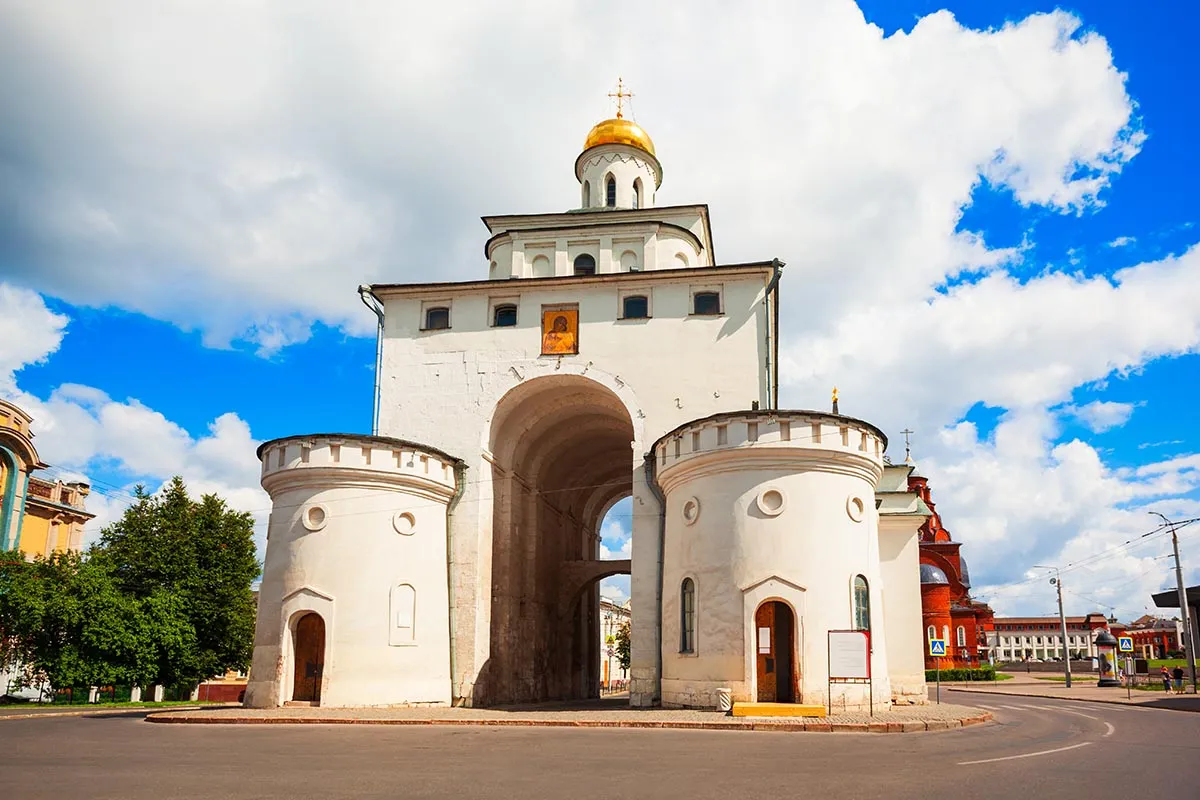
The Golden Gate is the only existing monument of ancient Russia’s military engineering architecture, built in 1158-1164 under the mandate of Prince Andrei Bogolyubsky.
The Cathedral of St. Demetrius was built in 1194-1197 during the reign of Prince Vsevolod III, who dedicated it to his heavenly patron St. Demetrio of Thessalonica. Previously, it formed part of the princely court buildings and was one of the most beautiful and original cathedrals of ancient Russia.
Rostov the Great
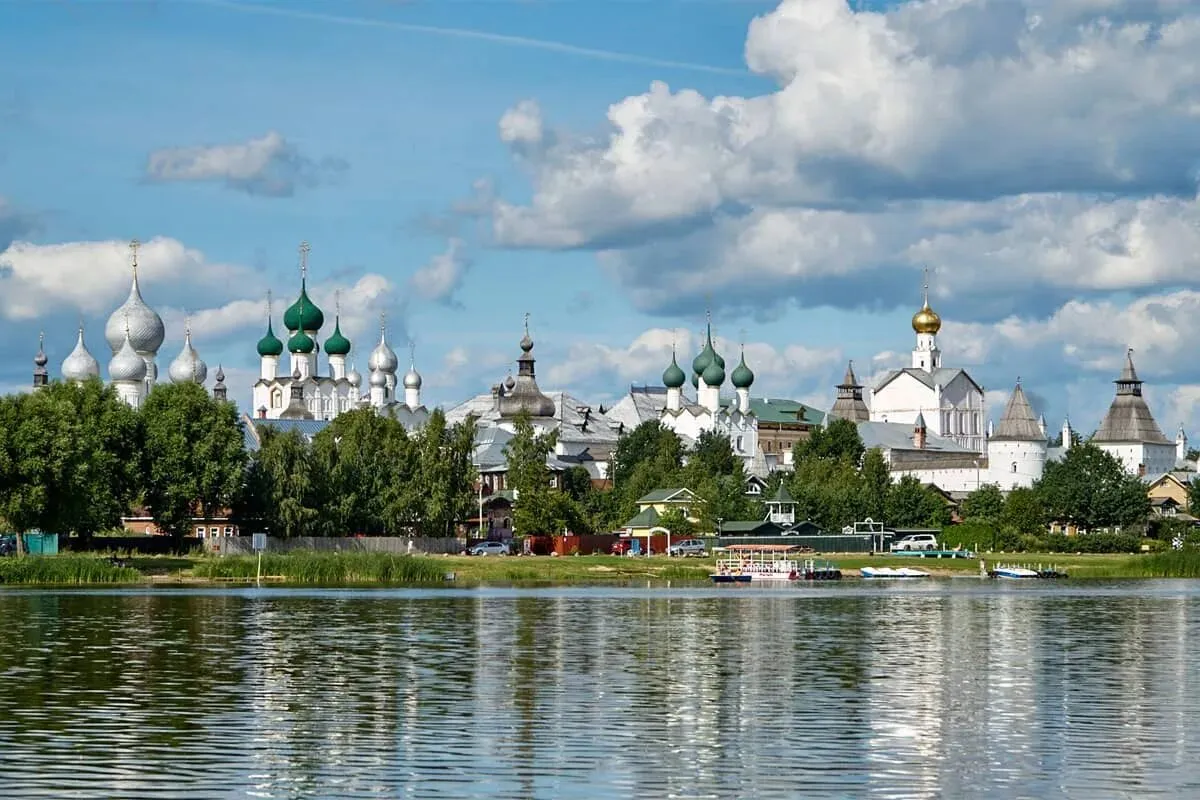
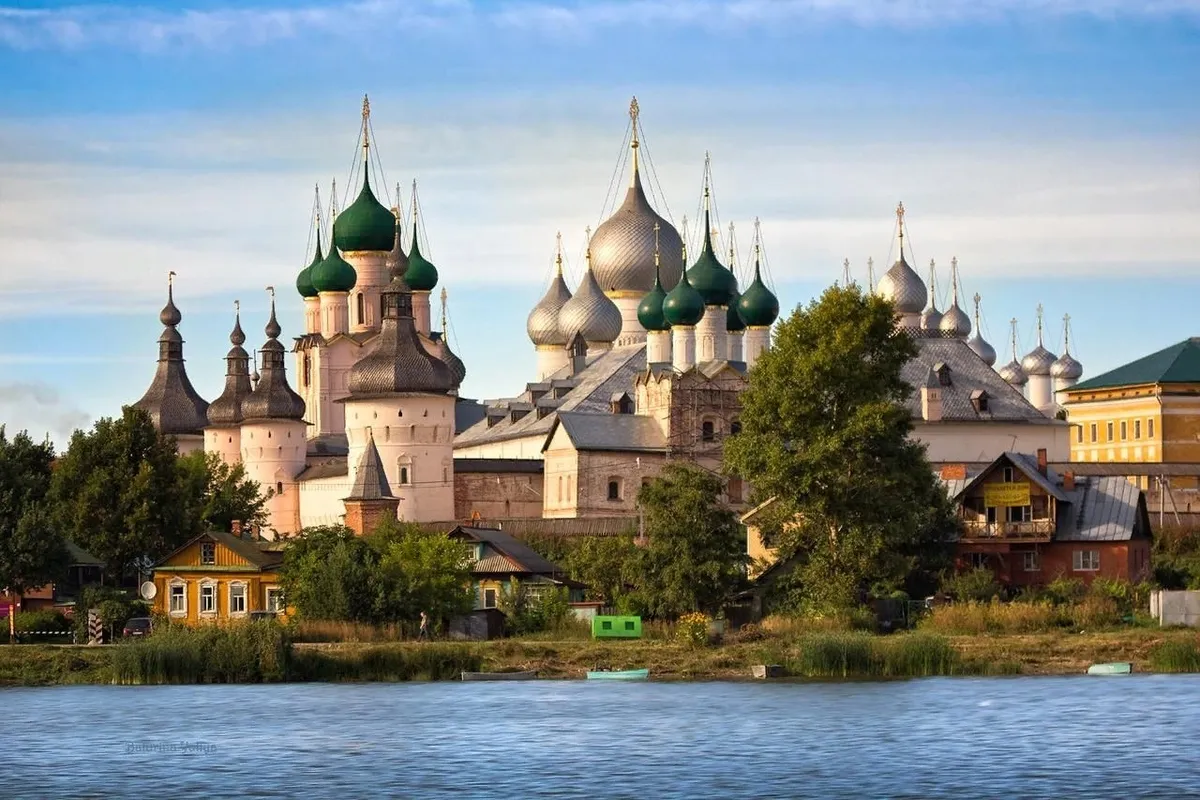
Another jewel of the Golden Ring of Russia is Rostov the Great, first mentioned in the annals of 862. The first episcopal faculty and the first Cathedral of the Assumption (991) were founded there.
The city was a constant participant in all political events related to the activities of the Grand Dukes, Tsar Ivan the Terrible, and the House of Romanov.
Rostov was repeatedly invaded, destroyed, and burned. The last destruction occurred at the beginning of the 17th century. After that, an intensive restoration began of the temples, monasteries, public, and residential buildings that have survived to this day.
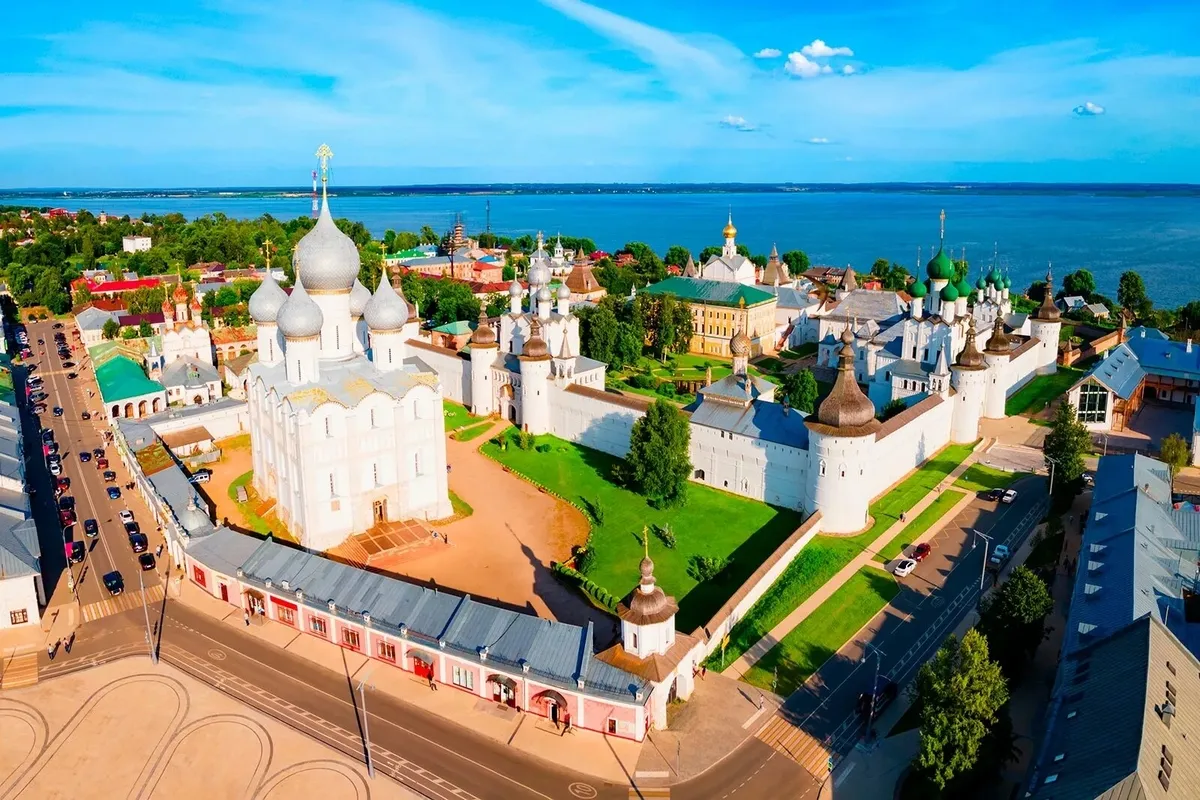
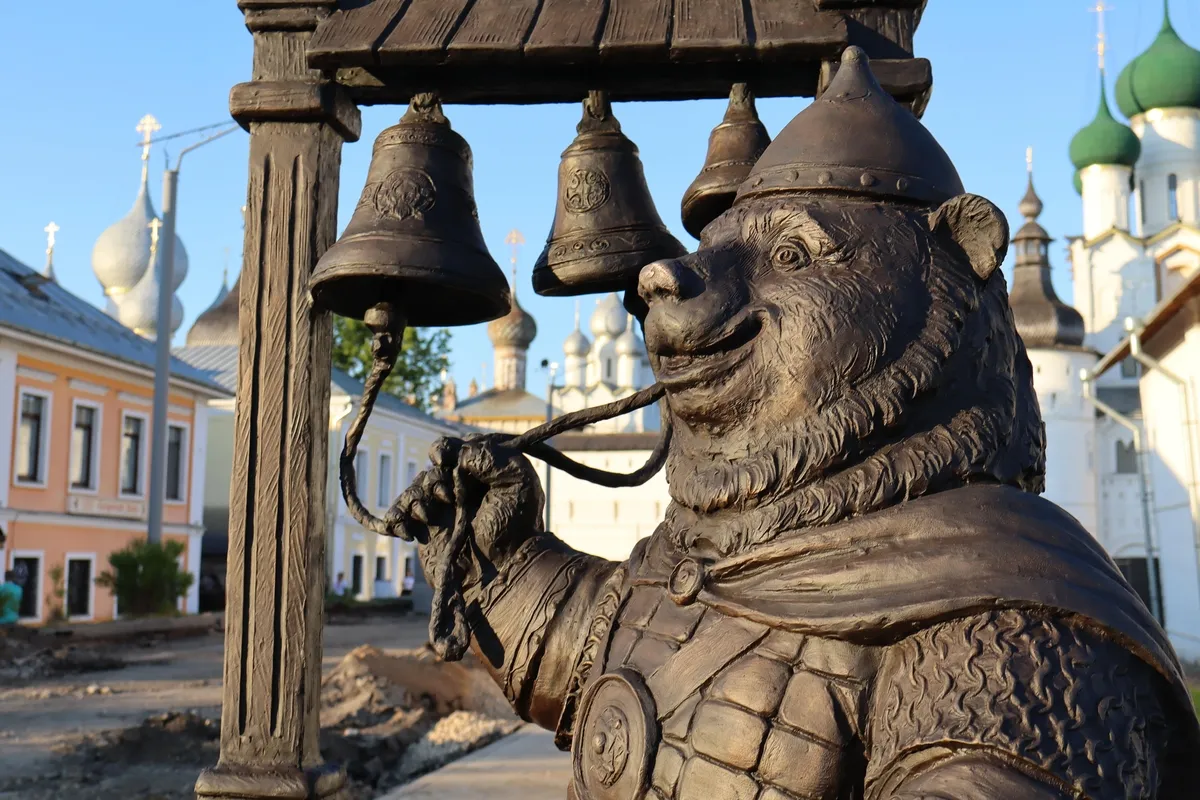
Among the most majestic preserved sites we find the Rostov Kremlin and the Spaso-Yakovlevsky Monastery.
The Rostov Kremlin, a pearl of 17th-century Russian architecture, was built by the artist Pyotr Dosaev.
The Cathedral of the Assumption, with five onion-shaped domes, is the oldest building in the city’s historical complex, emerging in the 16th century, while the bell tower appeared in 1682-1687. All buildings are surrounded by stone walls and towers, making the metropolis look like a fortress.
The Spaso-Yakovlevsky Monastery
This is another significant landmark of Rostov the Great that everyone coming to the city for the first time cannot miss. It plays a particularly important role in the city’s skyline; during its existence, architects of several generations skillfully combined buildings from the 17th, 18th, and 19th centuries.
Currently, the Spaso-Yakovlevsky Monastery is a male monastery. In the territory of the monastery, you can see three temples:
- The Dmitrievsky Cathedral
- The Church of St. Jacob of Rostov
- The Cathedral of the Conception of St. Anna
Yaroslavl
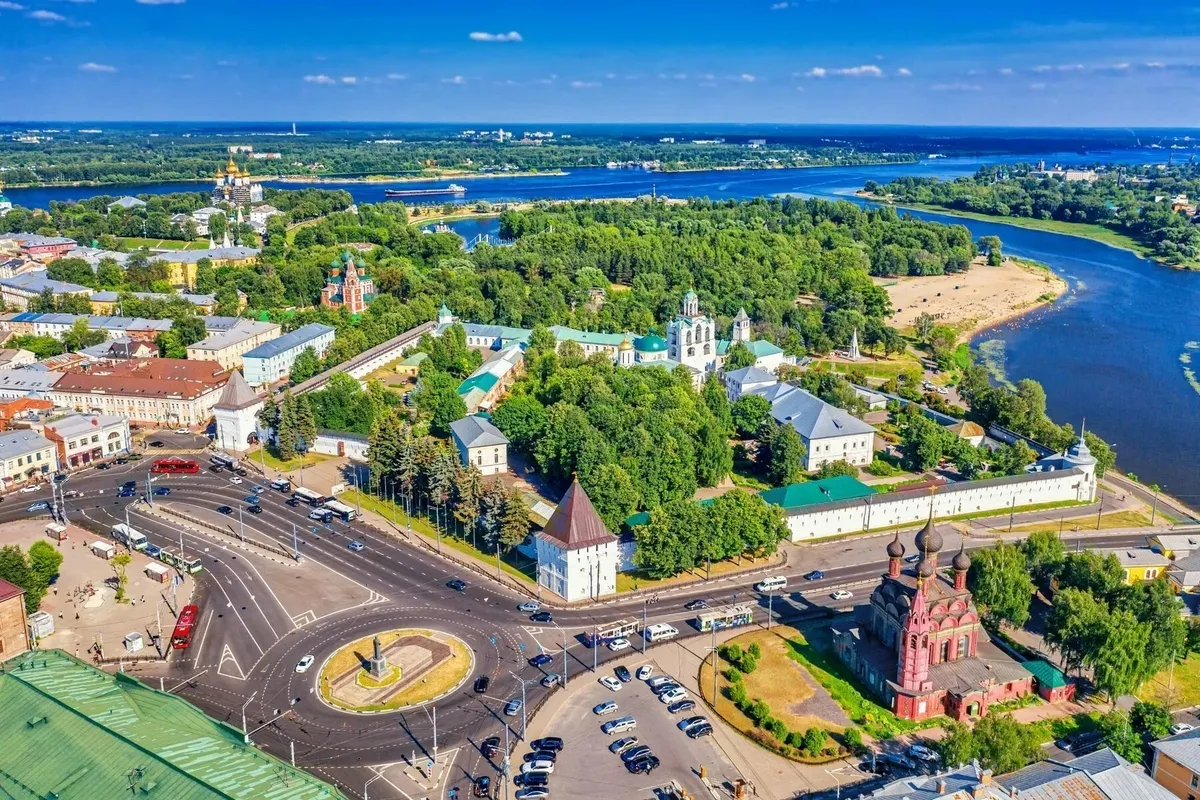
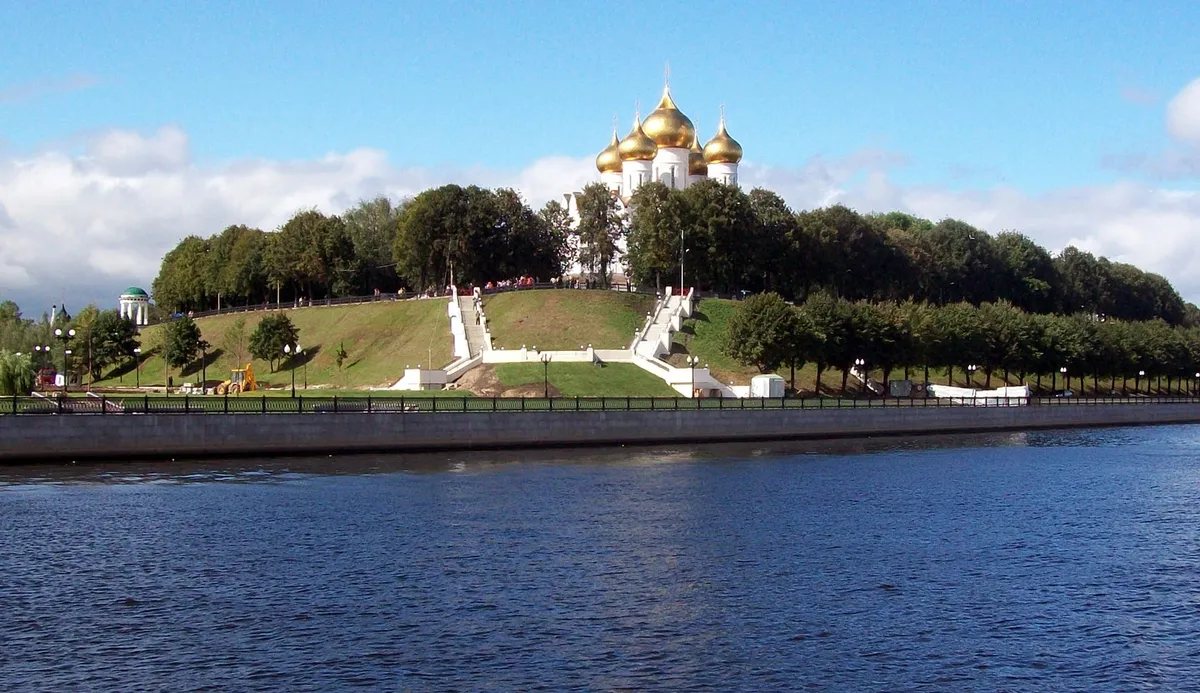
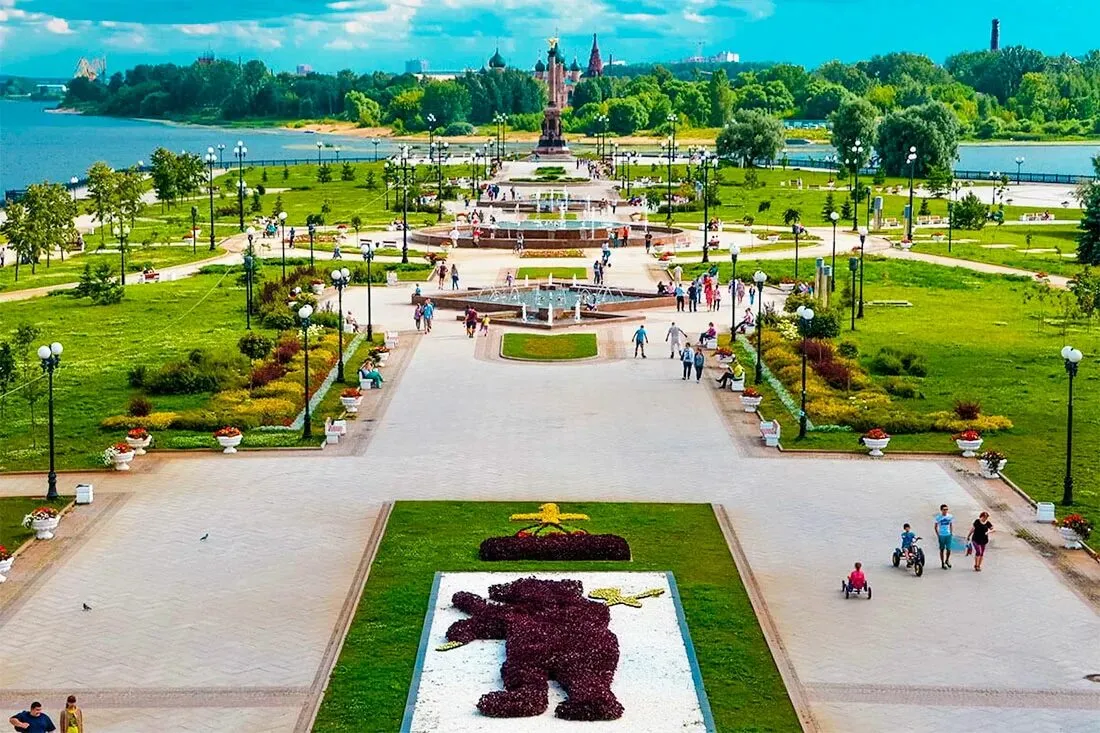
The city of Yaroslavl was founded in 1010 by Yaroslav the Wise, and its historical center is included in the UNESCO World Heritage List.
Yaroslavl developed rapidly due to its favorable location along the Volga trade route. In 1218, it became the capital of the independent feudal principality of Yaroslavl, and only in 1463 did the principality merge with the Moscow state.
In the 17th century, Yaroslavl became a major port and ranked third after Moscow and Kazan as a center of commerce.
The Spaso-Preobrazhensky Monastery, founded in the 12th century, and the Church of Elijah the Prophet are the places of greatest historical and tourist interest in the city.
The Spaso-Preobrazhensky Monastery is a stone monastery, founded in the pre-Mongol era and rebuilt by order of Prince Konstantin Vsevolodovich around 1515-1516. It combined traditional forms of ancient architecture with the Italian style.
The Church of Elijah the Prophet is the second landmark of Yaroslavl, located in the center of the city on Sovetskaya Square, and an outstanding monument of the 17th-century architectural school. Founded in 1647-1650, it has completely preserved its decoration and style. Currently, it has become part of the Yaroslavl Historical, Architectural, and Art Museum.
Pereslavl-Zalessky
Pereslavl-Zalessky is one of the ancient cities of the Golden Ring of Russia. It was founded in 1152 by Prince Yuri Dolgoruky and is located about 130 km northeast of Moscow.
In 1688-1693, Peter I built his famous "fun" flotilla on Lake Pleshcheyevo for his own entertainment. The Museum of Peter the Great’s Boat tells the story of the first Russian fleet and keeps one of the original ship models.
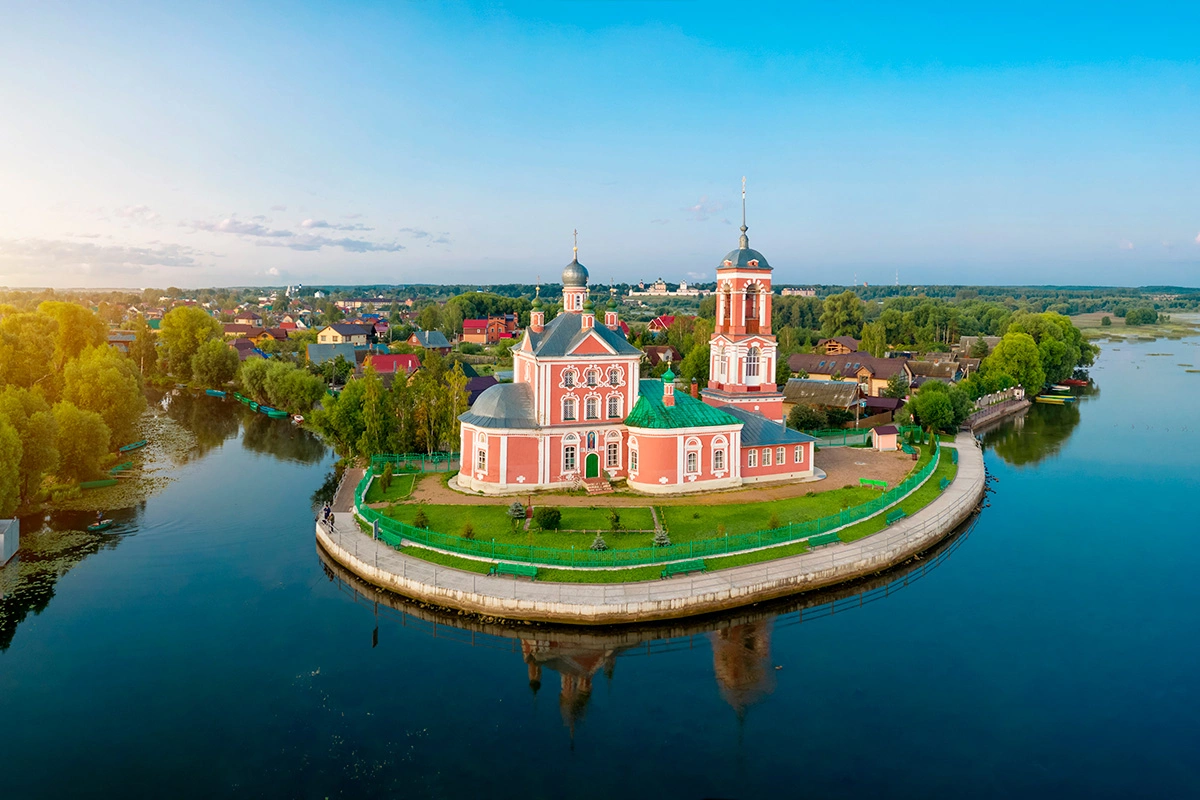
One of the city’s main attractions is the Transfiguration Cathedral, founded in 1152. The construction was initiated by Yuri Dolgoruky, but it is not known exactly when it was completed. Some sources claim that construction was completed under his command, others that construction was continued by Dolgoruky’s son, Andrei Bogolyubsky, in 1157-1160.
The Church of the Metropolitan Peter is one of the few churches built before the 17th century and a monument on the territory of the former royal palace. The foundation of the church dates back to 1584. It is located in the historical center of the city, 250 meters southeast of the ancient Transfiguration Cathedral.
In addition to the Church and cathedral we have mentioned, the city of Pereslavl-Zalessky is also known for other historical buildings, such as:
- The Monastery of the Holy Trinity Danilov (16th-18th centuries)
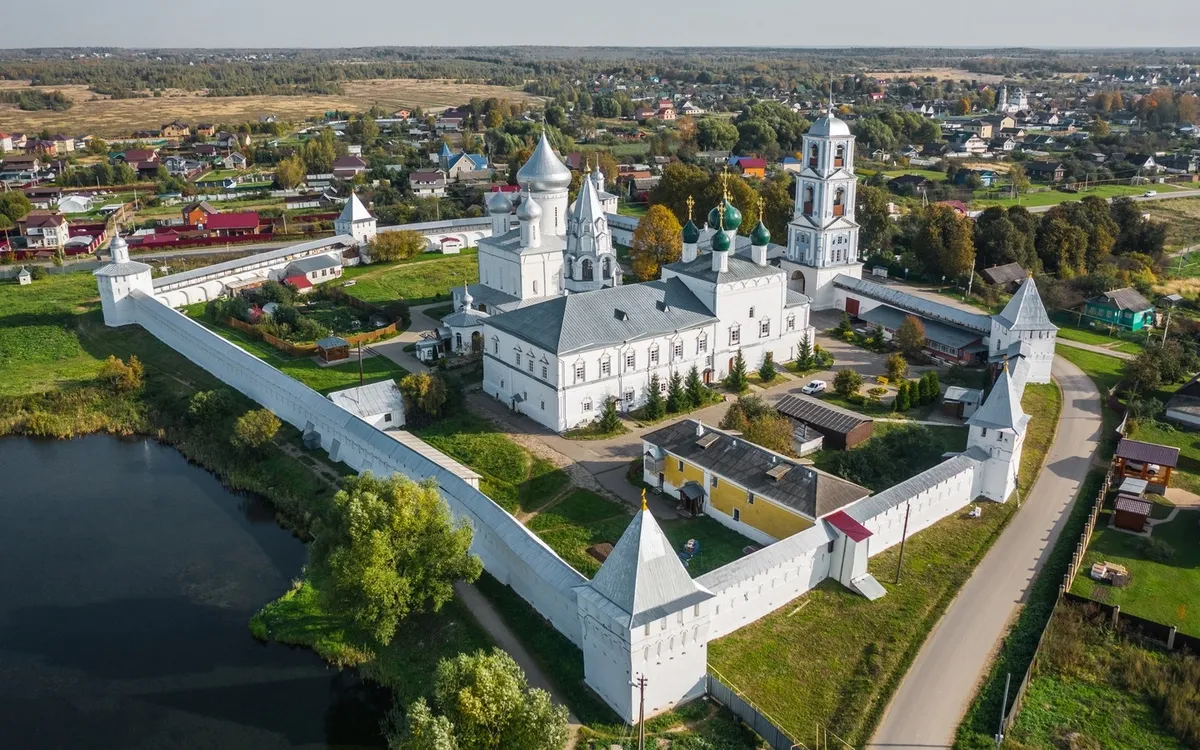
- Nikitsky Monastery (16th-19th centuries)
- The Feodorovsky Monastery (16th-19th centuries)
- The Goritsky Monastery of the Assumption (17th-18th centuries)
Kostroma
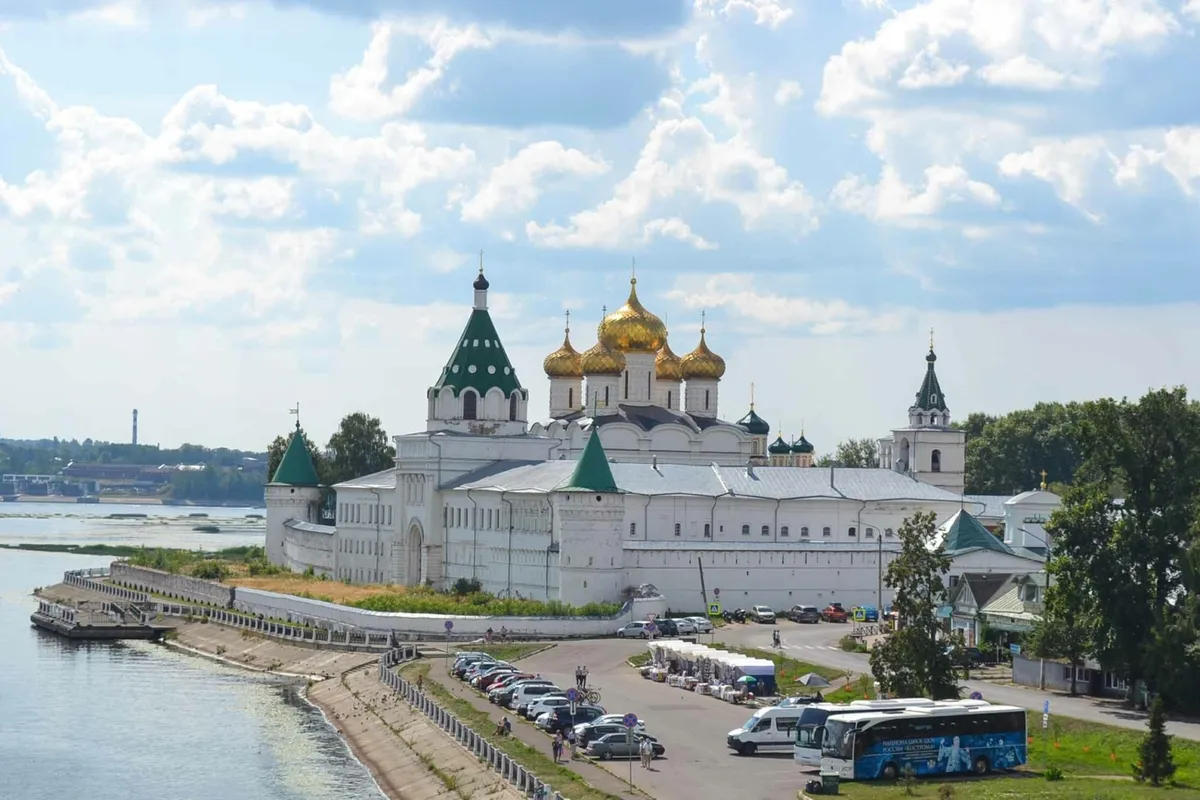
The city of Kostroma, founded in 1152 by Prince Yuri Dolgoruky, is located on the banks of the Volga. The pride of the city is the Holy Trinity Ipatiev Monastery, known for being patronized by the Romanov dynasty. In this place, in 1613, the young Mikhail Romanov was blessed to become Tsar of Russia.
The Holy Trinity Ipatiev Monastery, founded at the beginning of the 14th century in honor of the Trinity and St. Hypatius, is one of the main sights in all of Russia. The building is located in a picturesque place where the Kostroma River flows into the Volga.
The Church of the Resurrection on the Debre River is the only ancient church in Kostroma that has survived to this day and completely reflects the past.
In the Soviet era, until 1964, corn and vegetables were stored in the church. The name of the church "Debre" is closely related to the ancient forest that existed in the area at that time. It is worth noting that it was built in the 12th century by Prince Vasily Yaroslavovich of Kostroma (1248-1276).
Ivanovo
Ivanovo, another jewel of the Golden Ring of Russia, was founded in 1871 and until 1932 was called Ivanovo - Voznesensk. In the middle of the 18th century, the city acquired a reputation for being the center of the country’s textile industry. Cotton fabrics were especially popular not only in Russia but also in England and Persia.
In addition to the textile industry, the city was famous for its theatrical life, since from 1873 the plays of famous Russian writers, Gogol and Ostrovsky, were performed there.
Notable architectural monuments such as the wooden Church of the Assumption and the Shchudrovskaya tent, an example of industrial design, have survived to this day.
Guests of the city can visit the local art museum, which presents 18,000 exhibits, including ancient Russian icons and Palekh miniatures, as well as the House-Museum of B. I. Prorokov.
The State Museum of Palekh Art is located 65 km from Ivanovo in the town of Palekh; there, tourists will see the Church of the Exaltation of the Holy Cross, iconography from the 14th-19th centuries, the House-Museum of I. I. Golikov, and exhibits in the Museum of Lacquer Miniatures.
Uglich
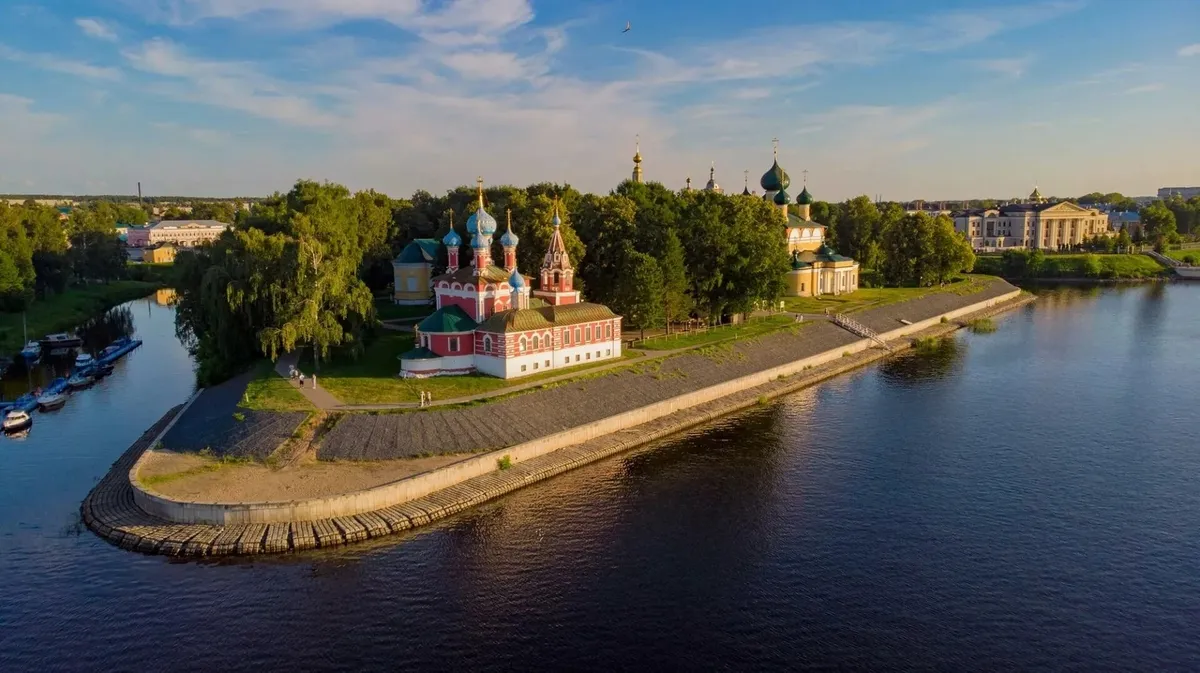
Uglich is a historical city situated on the Volga River on the borders of the Golden Ring of Russia. It was founded in 937 as a border fortress of the Principality of Moscow.
For the city, the end of the 16th century was remembered as a time of maximum importance, given that after the death of Prince Dmitry, the Rurik dynasty was replaced by the Romanov dynasty, whose first members came from Uglich.
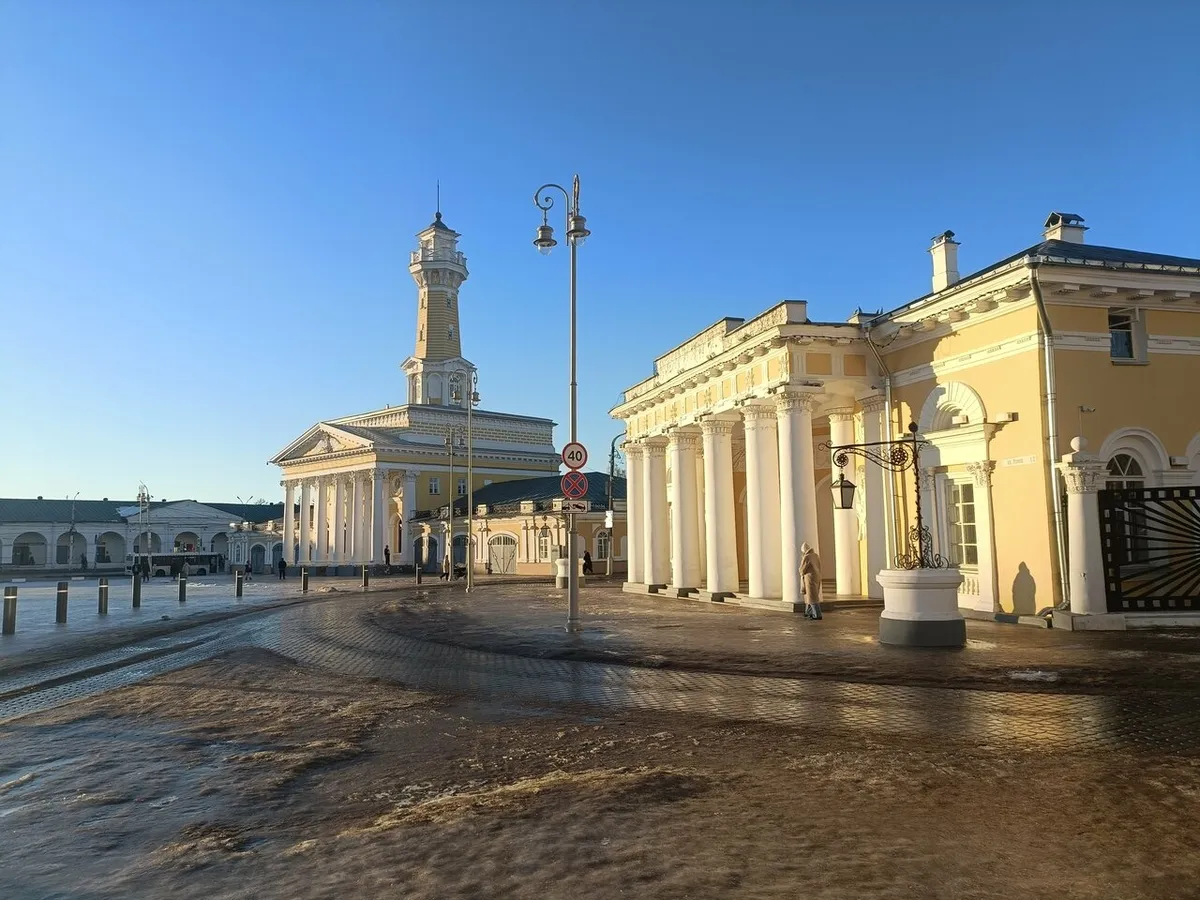
The Kremlin in Uglich
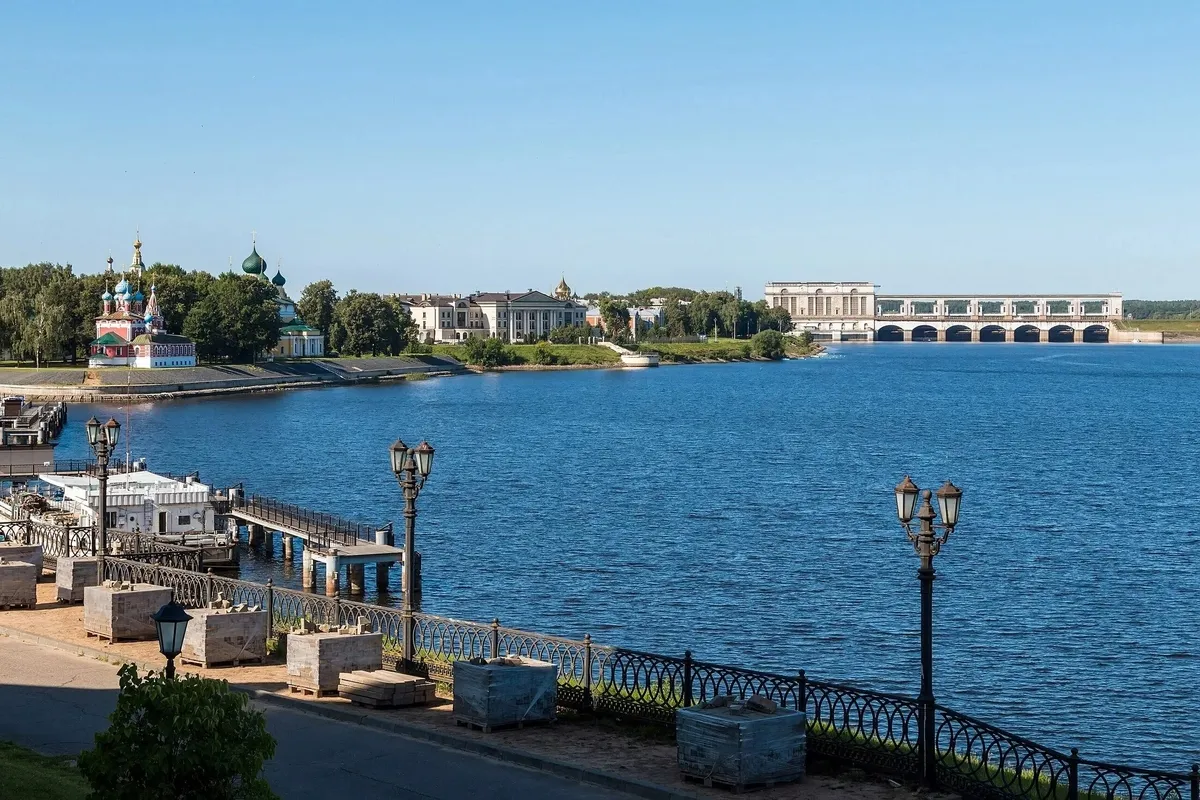
The Kremlin in Uglich is located in a strategic location on the banks of the Volga River. Not far from the Kremlin is the Church of the Assumption of the Most Holy Virgin Mary and the Resurrection Monastery; the ensemble reflects the ancient architecture of the 15th and 17th centuries.
In the territory of the Kremlin, you can see:
- The Palace of Tsarevich Dmitry
- The Church of St. Demetrius on the Blood
- The Museum of History and Art
- The Transfiguration Cathedral
- Other points of great historical interest.
Other Jewels of the Golden Ring of Russia
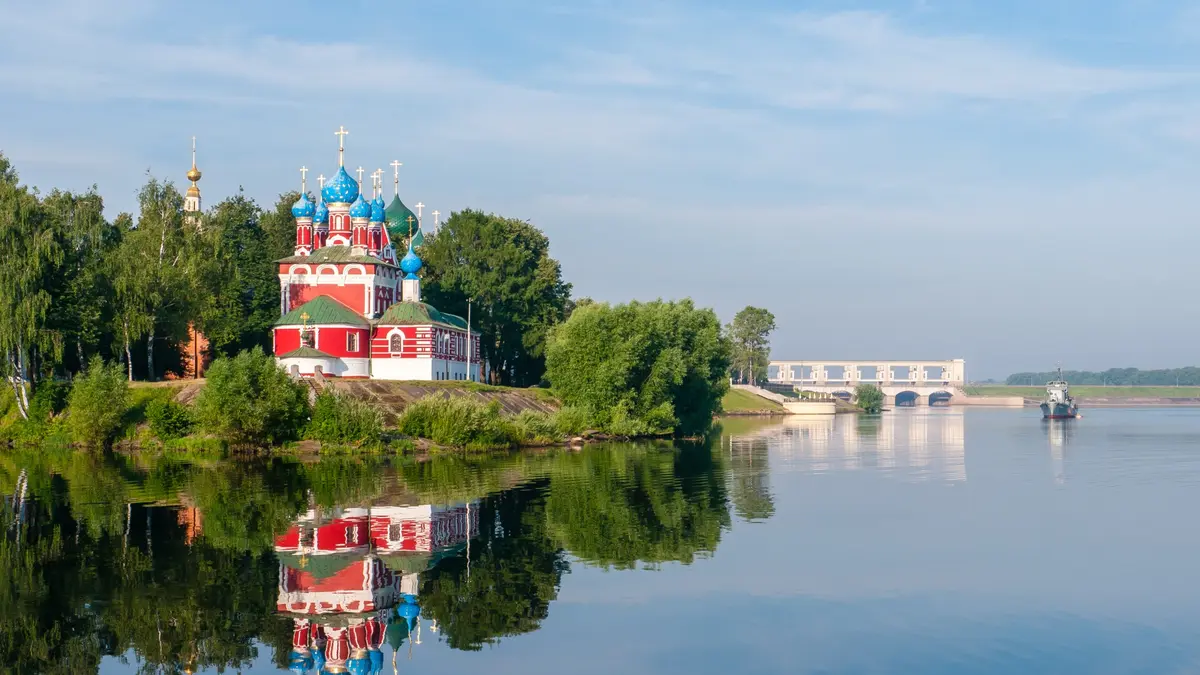
The Church of St. Demetrius on the Blood is the most famous and historical building in Uglich. It was built by special order of Peter I on the spot where Tsarevich Dmitry died, which explains why the church is called "On the Blood". For the same reason, the building was painted red to commemorate the spot where the martyr’s blood was spilled. The church has important historical significance as it symbolizes the life story of the young Tsarevich Dmitry in chronological order. Currently, the church and the first floor have been converted into a museum.
The Palace of Tsarevich Dmitry is the oldest building in the city of Uglich. Founded in 1480, it is one of the few Russian palaces that have survived to our day. The palace partially reflects the life of Dmitry, who lived there from 1584 until 1591, and was an important residence. Today it is a magnificent museum.
Plios
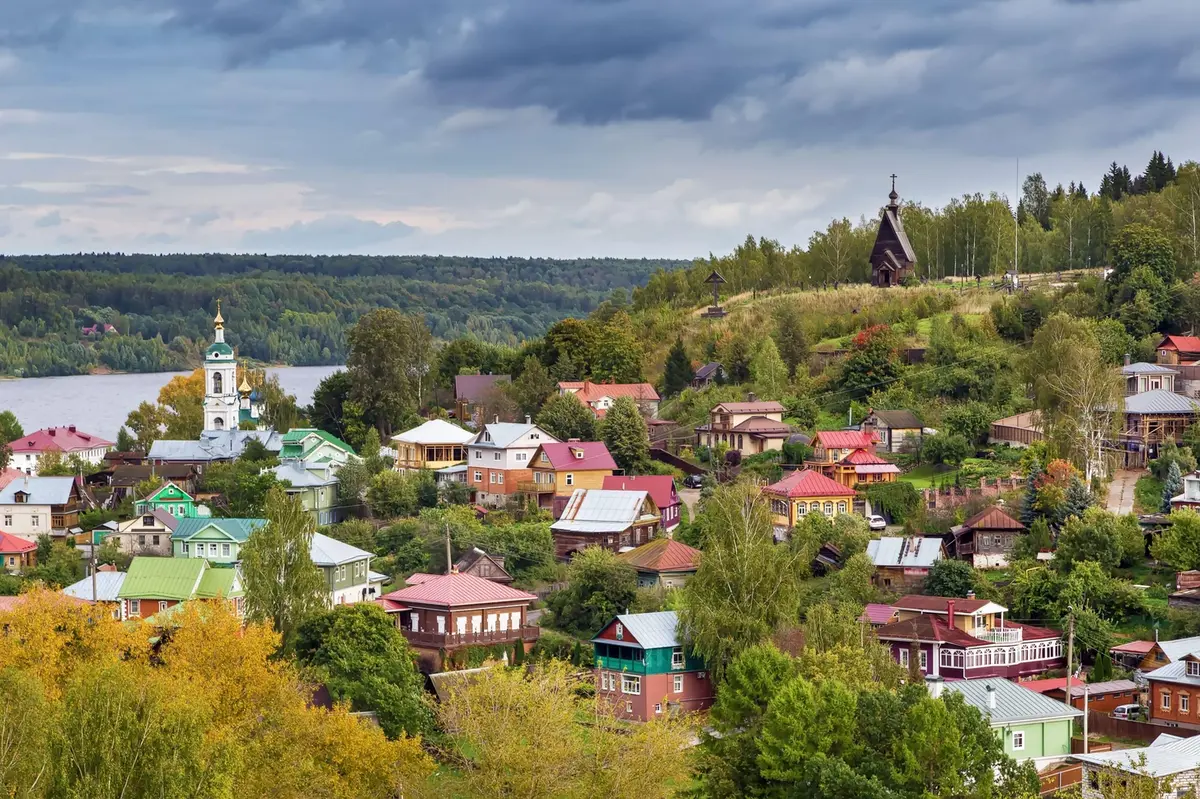
Plios is the administrative center of the Privolzhsky district of the Ivanovo region, located on the right bank of the Volga River, about 70 kilometers northeast of Ivanovo. The city was founded in 1410 by Vasily I as a border outpost.
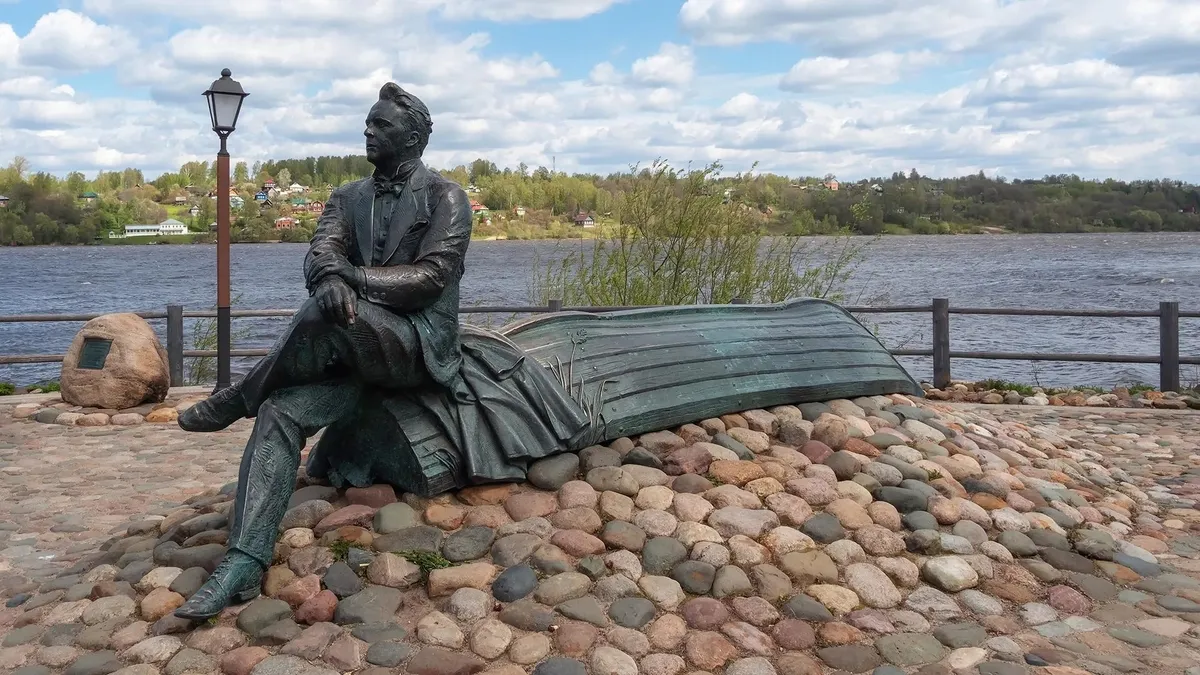
A heavenly place like something out of a fairy tale. For centuries, it has inspired artists to create masterpieces of art; as an example of this, the artist Levitan created more than 40 paintings of the most beautiful corners of the city.
The city of Plios has preserved many sights and architectural monuments that have survived to our days. Among them are famous masterpieces of architecture such as:
- The Church of the Resurrection of Christ (1817)
- The wooden Church of the Resurrection (1699)
- The Cathedral of the Assumption (1699)
- The Trinity Church (1808)
- Vvedenskaya Church (1828)
- The Church of St. Barbara (1821)
In 1982, the State Museum of History and Art was founded, which united three other museums: the Levitan Museum, the Museum of Landscape, and the "Public Places" Museum and Exhibition Complex.
Visiting the Golden Ring of Russia
As we mentioned before, we recommend all travelers visit at least part of the Golden Ring of Russia, especially the city of Sergiev Posad, Vladimir, and Suzdal.
With our services in English in Moscow and the Golden Ring of Russia, we will ensure you a very interesting itinerary that touches upon all aspects anyone wishing to travel to Russia wants to see and enjoy.
Contact us to prepare your travel plan to Russia.
Do you wish to explore the spiritual bunkers of Sergiev Posad or let yourself be captivated by the timelessness of Suzdal with the total peace of mind of a private guidance in your own language? We ensure your experience is flawless. Contact our concierge team directly or explore the monumental programs in our exclusive Golden Ring Tours Catalog.