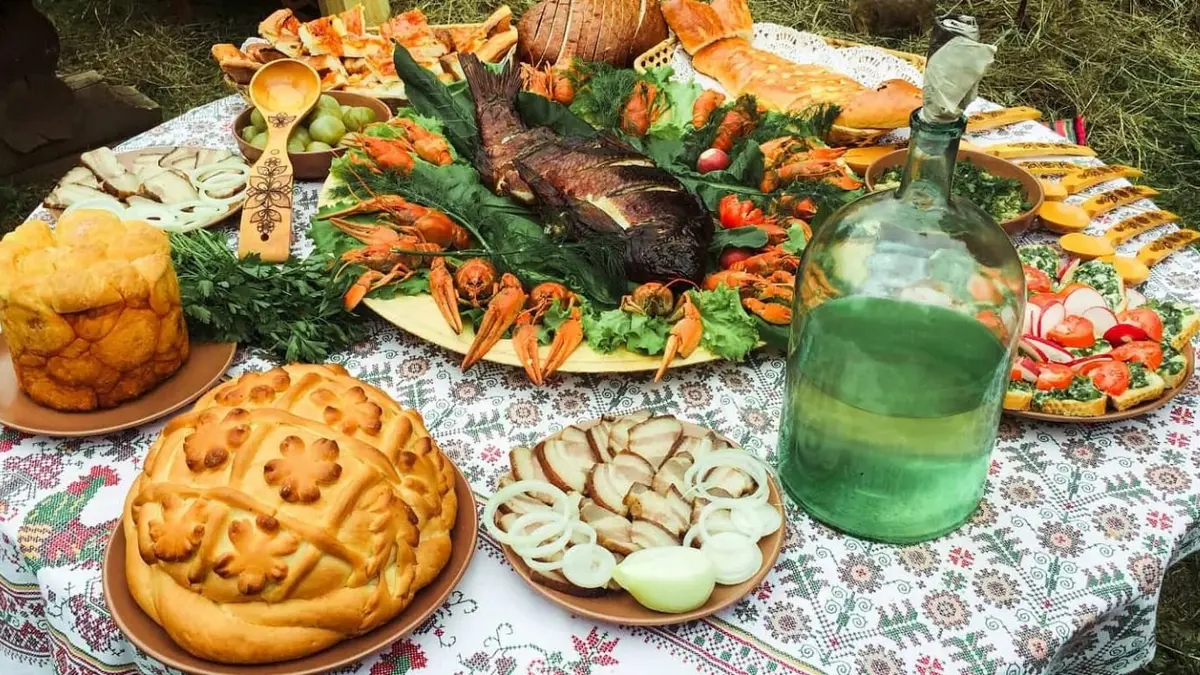
To continue with the stations of our sumptuous journey through Russian cuisine, we will tighten our boots, wrap ourselves in high-mountain thermal garments, and undertake an author’s expedition heading into the vastness of the Siberian Cuisine, entering one of the most untamed, extensive, and gélid territories on the entire planet.
The River Ecosystem: Sturgeon, Omul, and the Legendary Herring of the Tsar
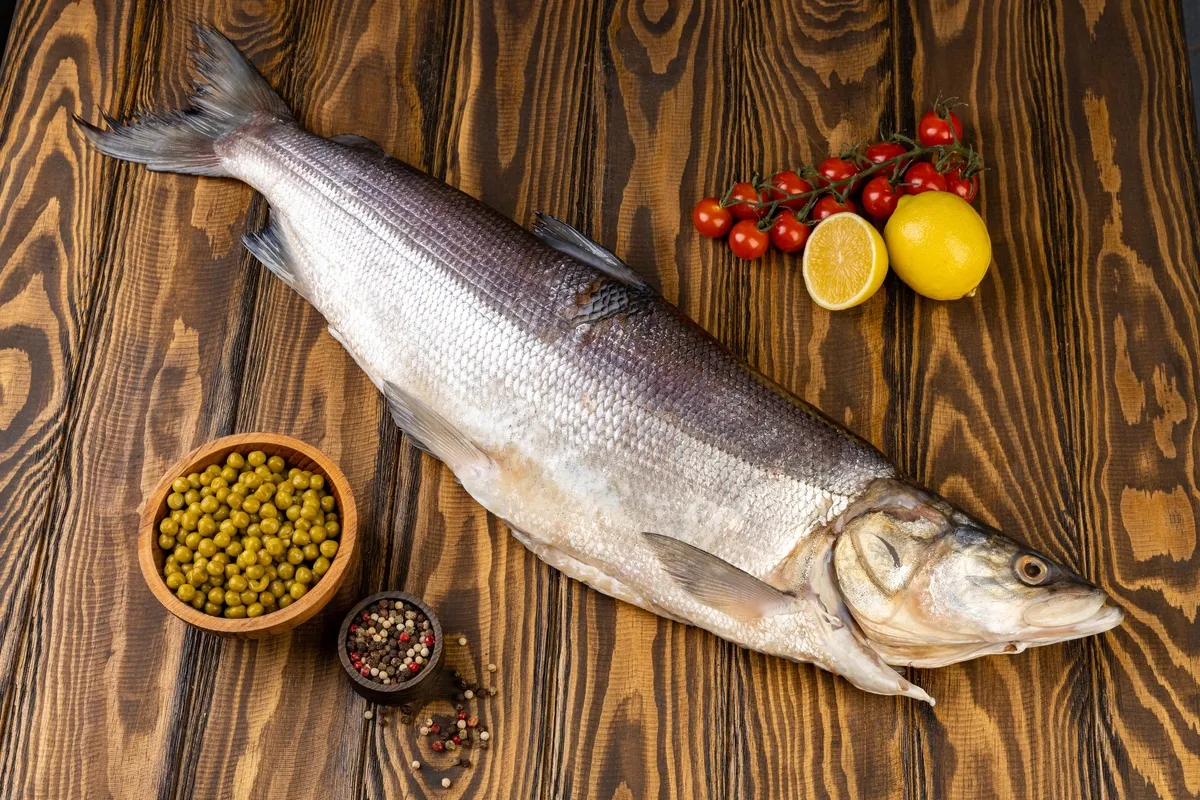
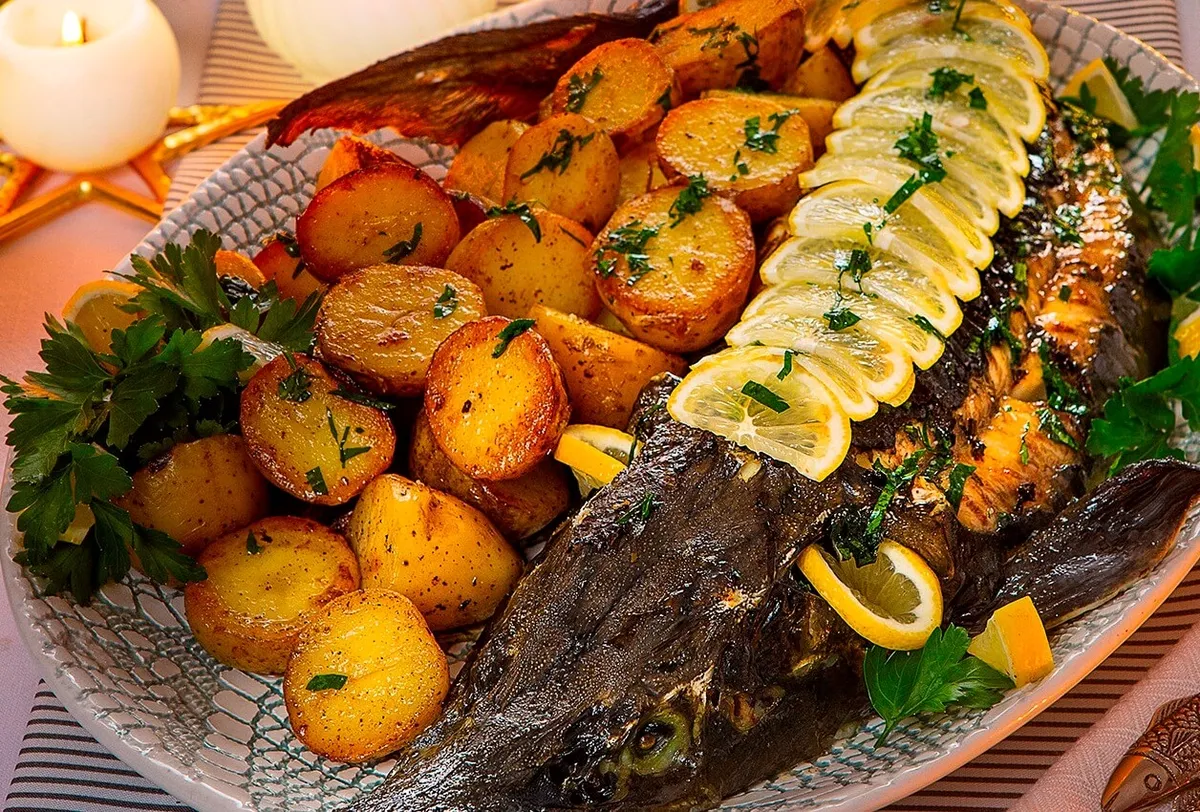
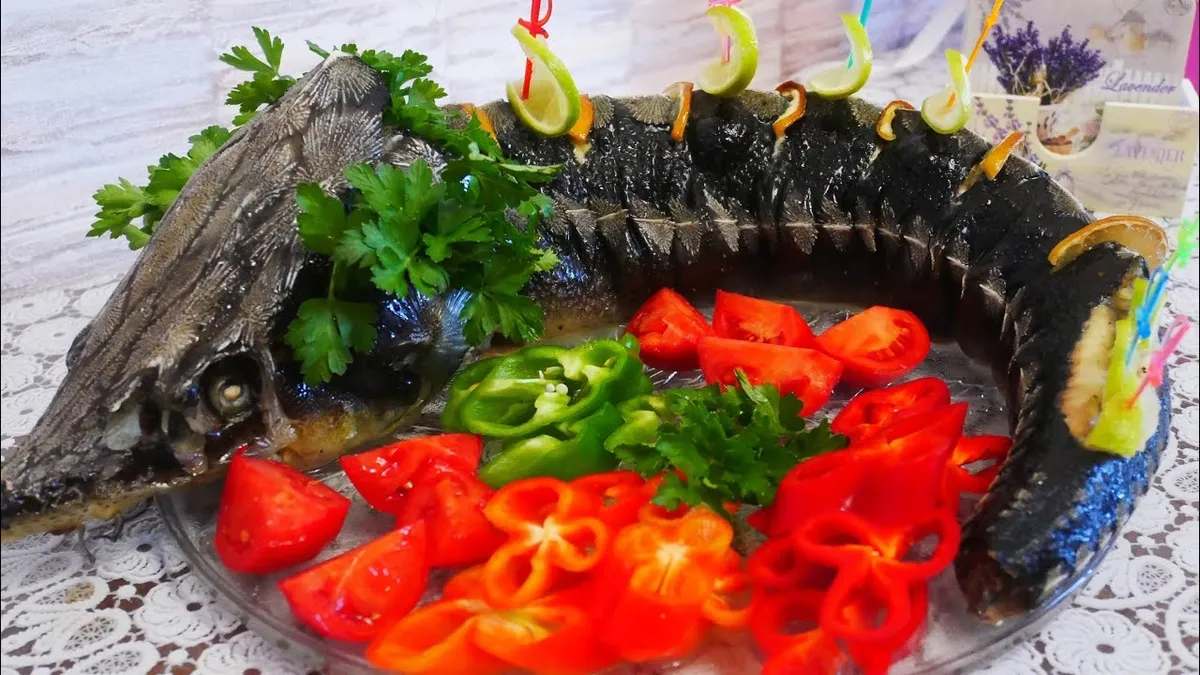
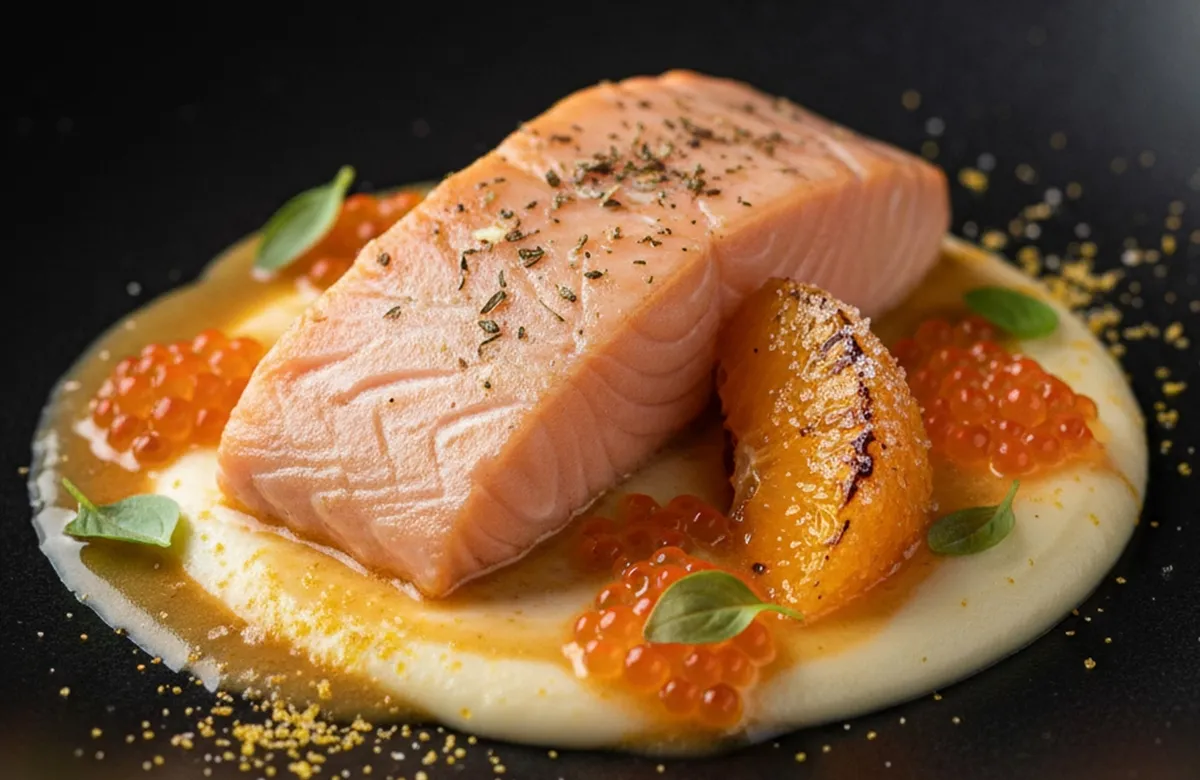
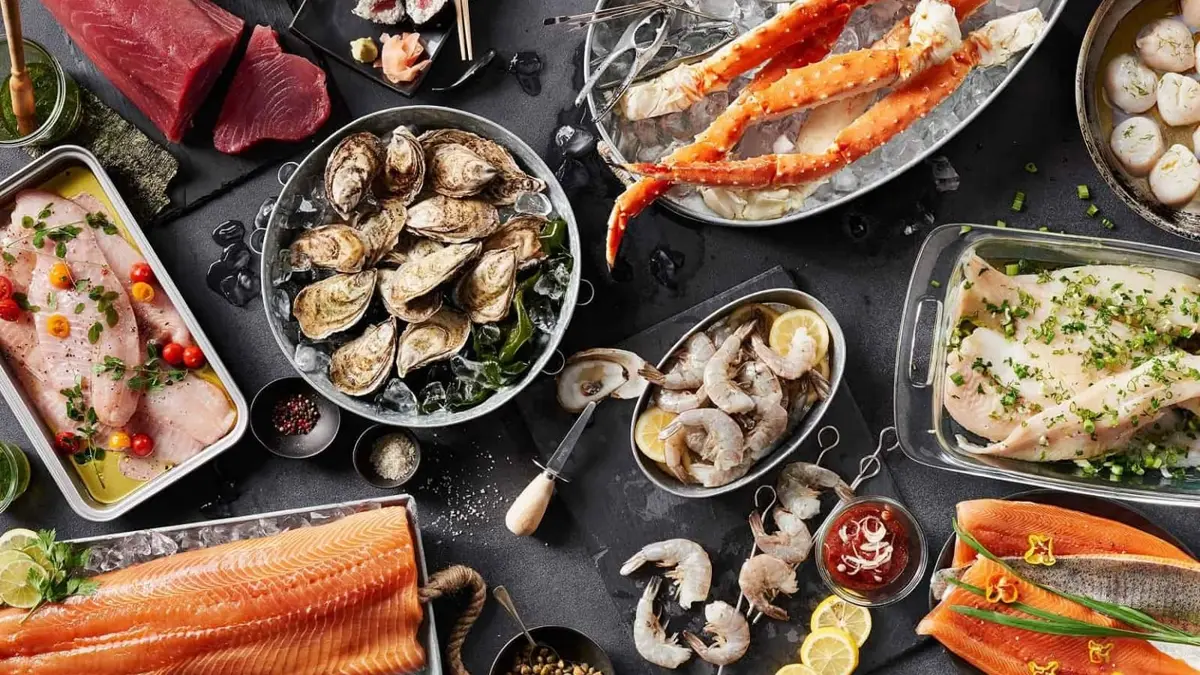
Just as we analyzed in the seafaring patterns of the northern peoples, in Siberia river currents and immense frozen lakes raised fish to the rank of an indispensable and absolute companion of the daily table. Nonetheless, the biological particularities of these Siberian basins gifted the recipe book with varieties of a high-caliber gastronomic value, such as sumptuous Sturgeon, Wild Salmon, and highly prized Whitefish.
A very striking cultural trait of Siberian markets was their strict status scale applied to the marine realm: while fine species like Nelma, Muksun, or the Baikal Omul were treated with total culinary reverence, common fish like Burbot were discarded from the civil kitchen and destined exclusively to feed sled dogs, while Bream and Ide were thrown away as waste for farm animals.
Siberian settlers mastered unique methods of preservation and cooking: the fattiest varieties were baked submerged in dense layers of sour cream, meticulously stuffed with cereal porridge seasoned with spring onions and dried wild mushrooms, or air-dried within the structures of the oven.
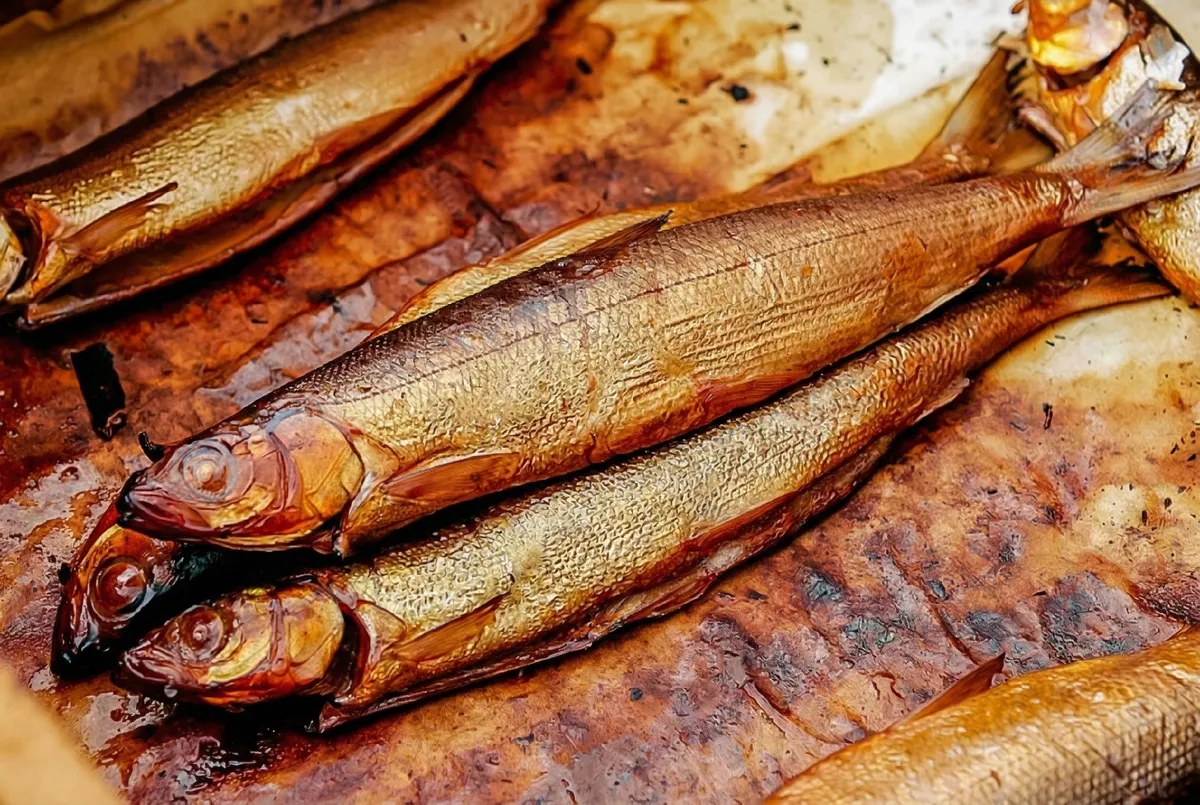
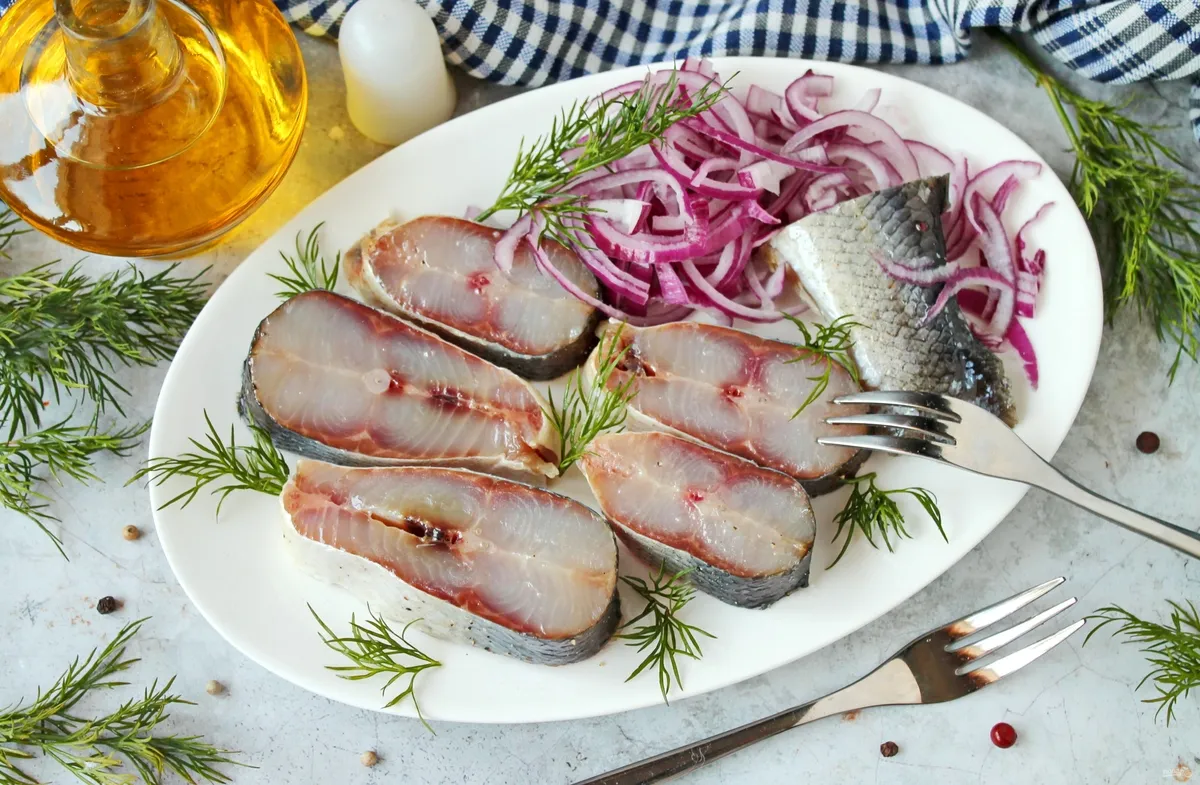
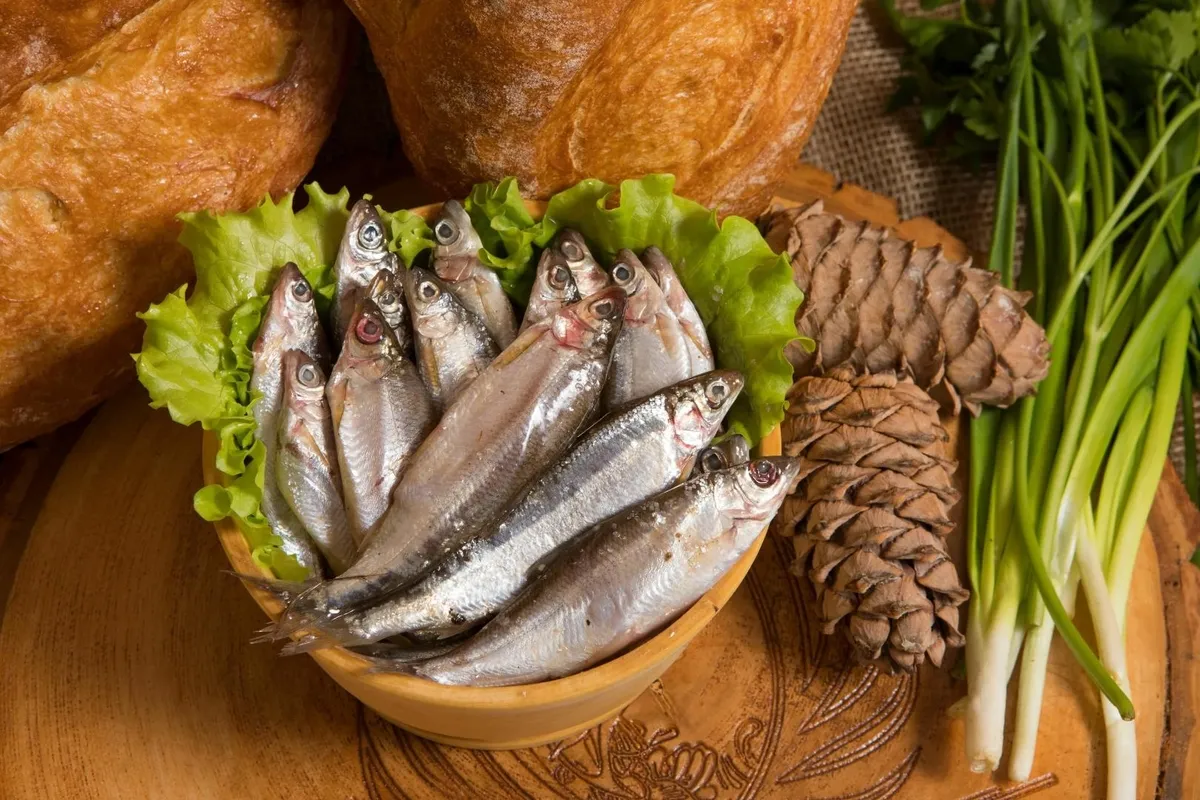
Of an equal level of appreciation was the Tugunok (the small Tugun): a lightly salted fish that, if processed respecting artisan guidelines, released an unmistakable and fresh aroma of freshly cut cucumbers.
During the course of the 19th century, this delicacy from the Ob basin was officially renamed at gala tables as the "Sosvinskaya Herring", being packed in airtight wooden barrels heading directly toward the banquets of the imperial court in St. Petersburg and the menus of the most expensive restaurants of the aristocracy. The technical smoking of fish was consolidated in the region entering the 19th century.
Siberian Pelmeni: The Physics of Dough Kneaded with Tea
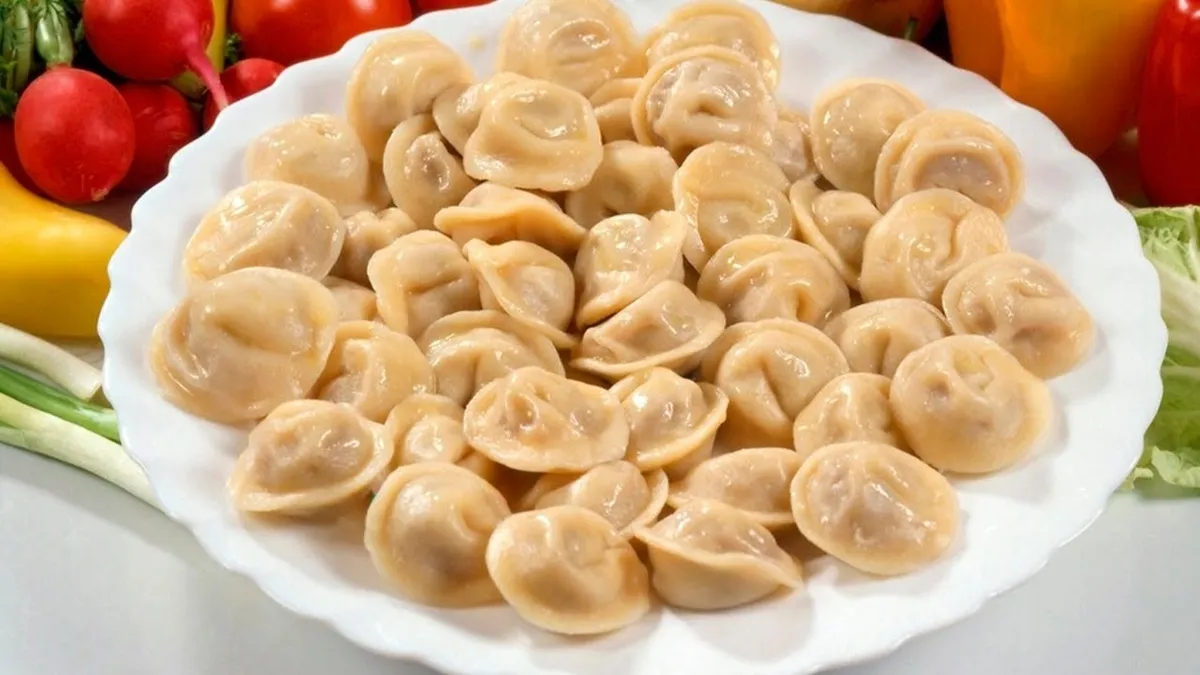
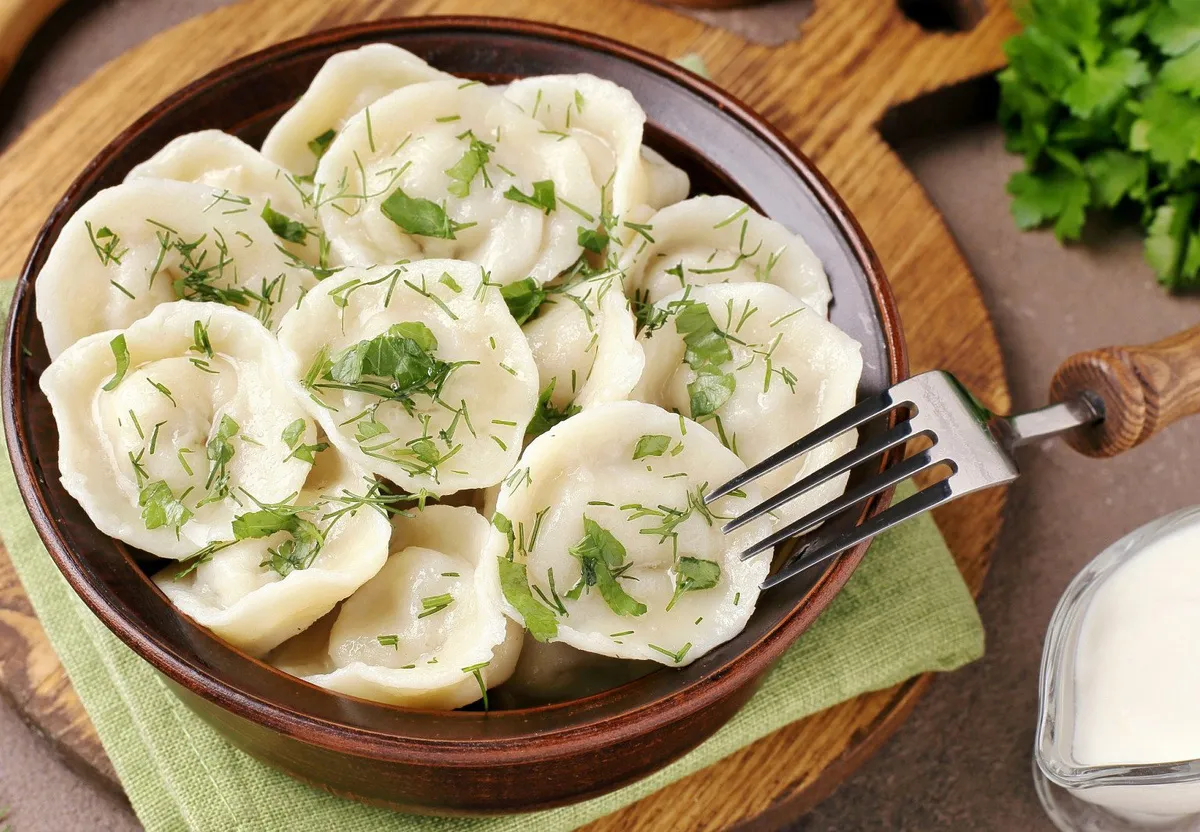
The indisputable, massive, and most popular meat pillar of all Siberia is constituted by the legendary Pelmeni. To fashion a genuine filling of great caloric power, master cooks meticulously fused up to four different varieties of minced meat: poultry, lean beef, fatty pork, and big-game pieces obtained in the taiga, such as Siberian venison or majestic elk.
The great technical innovation of the Siberian recipe resides in the molding of the wrapper: the dough was never bound with running water, but by using cold, concentrated black tea infusion. This domestic engineering solution provided extraordinary elasticity to the pasta, guaranteeing that the molded Pelmeni withstood prolonged months of extreme freezing under the permafrost without cracking or losing a single iota of their internal juice when submerged in boiling water.
Trappers, teamsters, and railway line workers transported immense sacks of Pelmeni frozen like rocks in their wagons; it was enough to light a wood fire in the middle of the steppe or bring a bronze Samovar close by to improvise a succulent lunch in just a few net minutes of cooking.
The Conquest of Wheat and the Liturgy of Brick Tea
Bread and doughs constituted a mandatory element to accompany Siberian tables. Until the arrival of the 17th century, the totality of refined grain had to be transported on horseback crossing the passes of the Urals, a logistical cost that transformed it into a luxury good.
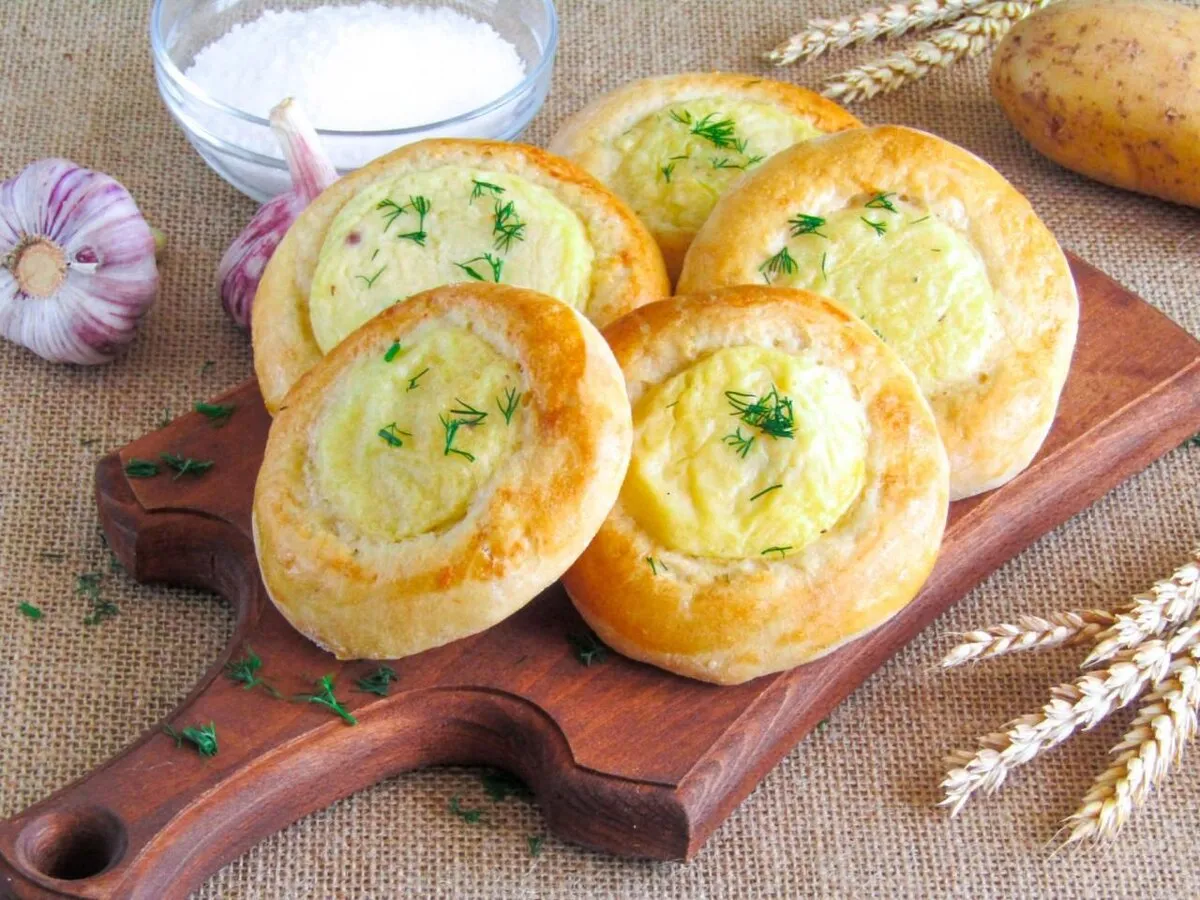
This scarcity spurred the settlers to break up the southern plains, managing to acclimate hard wheat crops suitable for winter. From the Siberian pastry catalog, the Shangi stand out, sumptuous round loaves of unleavened dough whose top surface remains completely open, filled with generous layers of sweet cottage cheese, mashed potatoes, or acidulated wild berries, fried in abundant clarified butter melted over the fire.
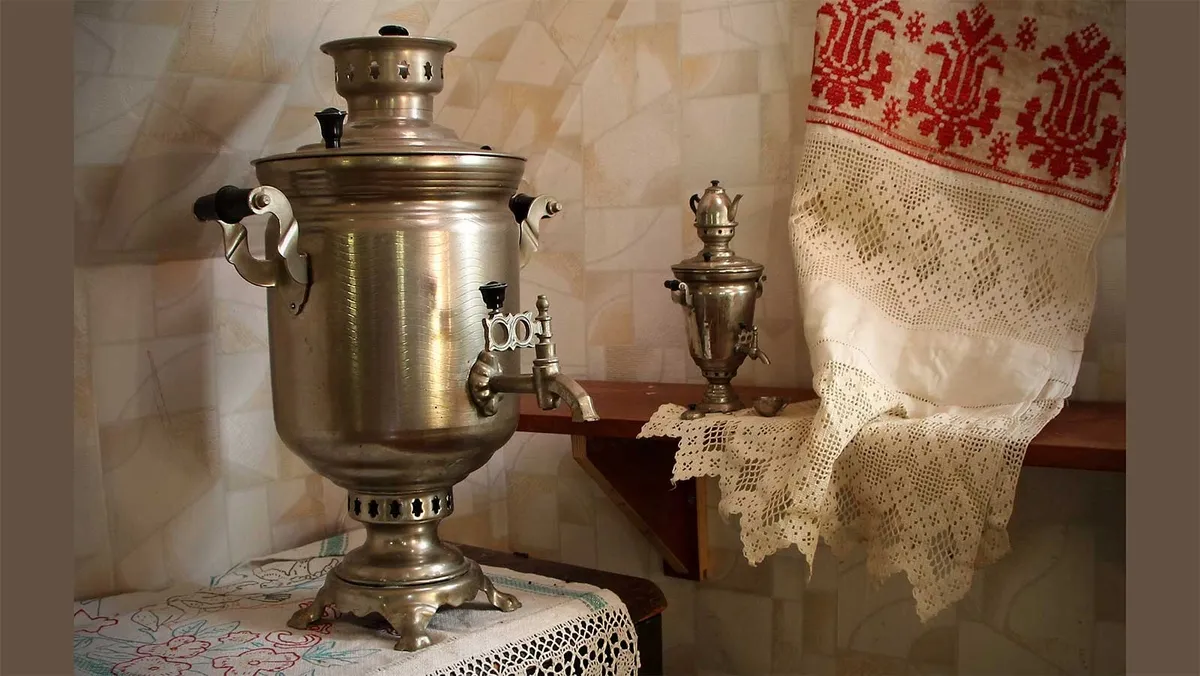
Absolutely every meal or family assembly was rigidly closed by celebrating the liturgy of tea, a component that Russian merchants imported in camel caravans crossing the borders of China.
The dynasties of wealthy merchants and terminal officials preferred to consume the select Flower Tea, made exclusively with the upper buds and tender leaves of the shrub, which ensured a drink of a delicate aroma and a sublime amber color.
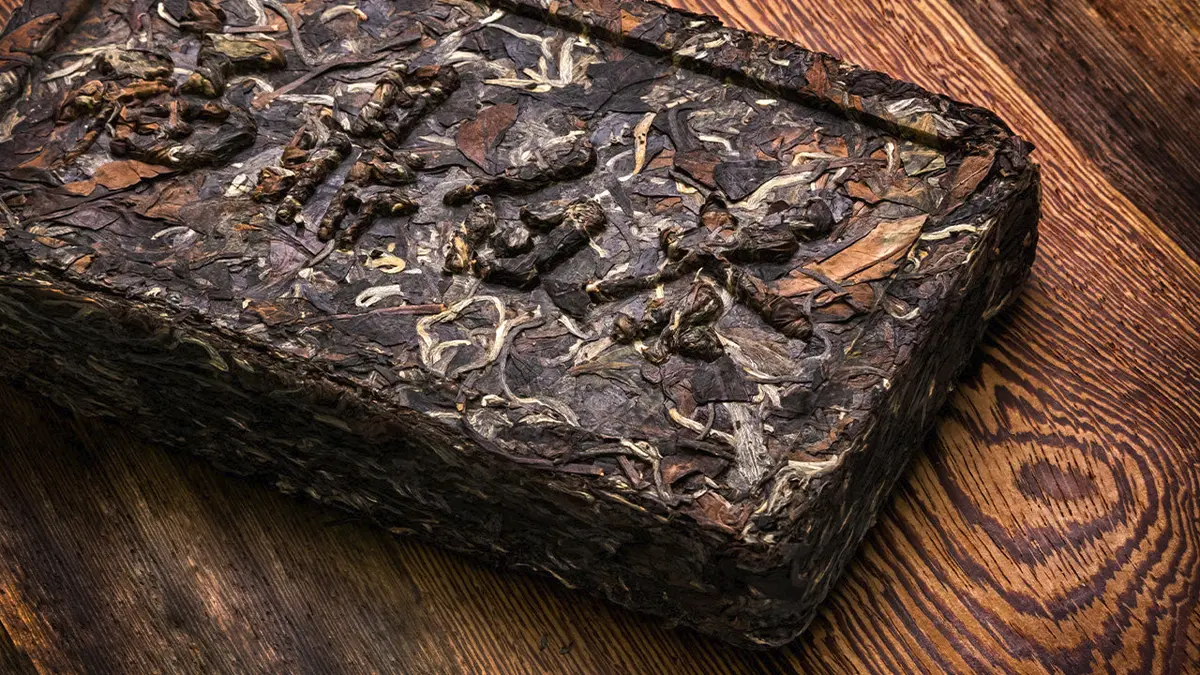
For the working classes and steppe laborers, the common variant was Brick Tea: an economical product that was commercialized in compact and pressed blocks, breaking into pieces with the help of small kitchen axes before being thrown into the cauldrons of boiling water next to the Samovar.
Imperial Culinary Connection Pathway
This chronicle of elastic doughs kneaded with tea and meltwater fish is part of our Euro-Asian gastronomy knowledge network. If you wish to analyze in detail the secrets of the traditional Moscow oven or the southern pastures, we invite you to explore our master chronicle: Journey Through Russian Cuisine: The Map of Imperial Flavors.
Do you wish to savor authentic Siberian Pelmeni molded with tea or taste sturgeon in sour cream in the historical restaurants of Moscow with the comfort of a VIP service in your language? We shield your vacation. Contact our travel advisors directly or explore Slavic richness in our exclusive VIP Tours Catalog in Russia.