After having dedicated intense days to exploring the opulence of the grand imperial palaces, the extensive galleries of the art museums, and the sumptuous naves of the cathedrals of St. Petersburg, the ideal moment for gardens inevitably arrives. Following the logical physical fatigue derived from a long day of monumental excursion under the guidance of our official guides, the traveler’s body always craves sheltering under the cool shade of the groves, enjoying a well-deserved rest and a refreshing drink.
In this practical manual, we selectively recommend 5 gardens in St. Petersburg to visit, stroll, and enjoy; stately enclaves that, due to the fineness of their design, resemble the wooded paradises described in traditional fairy tales.
1. Peter the Great Botanical Garden: The Awakening of the Taiga
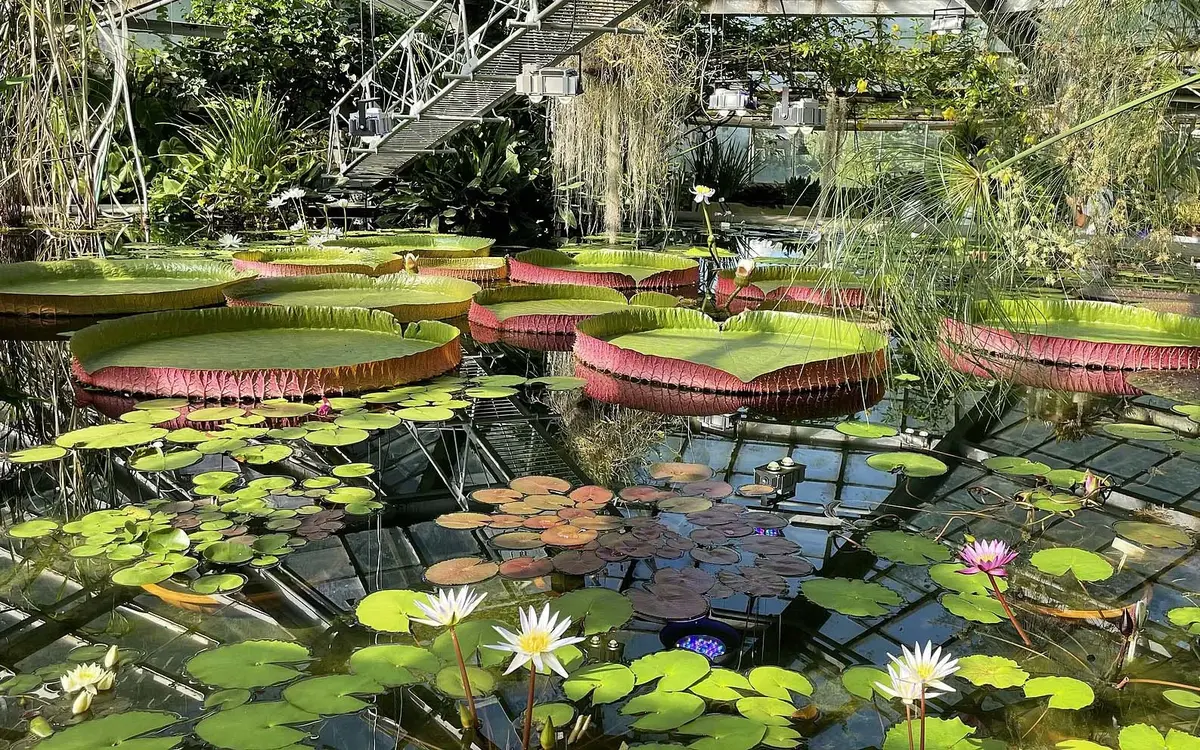
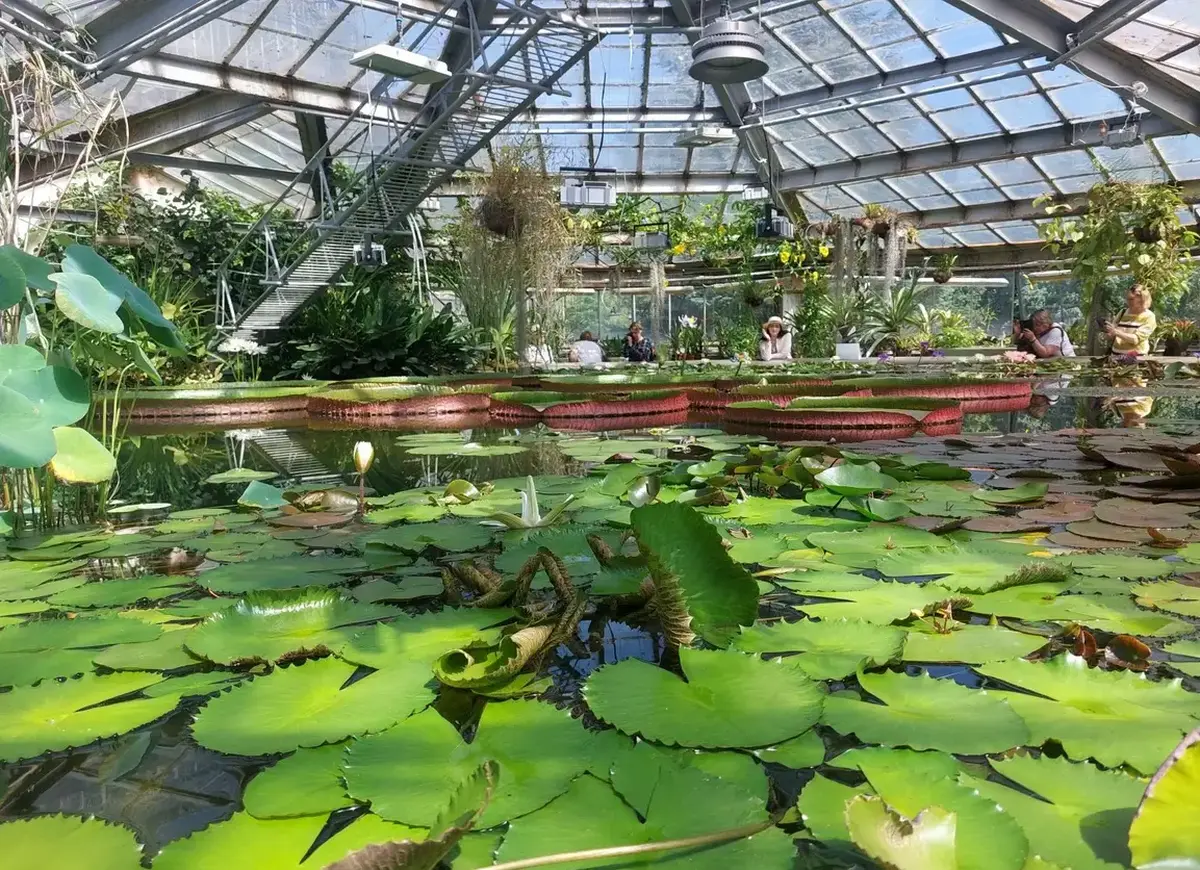
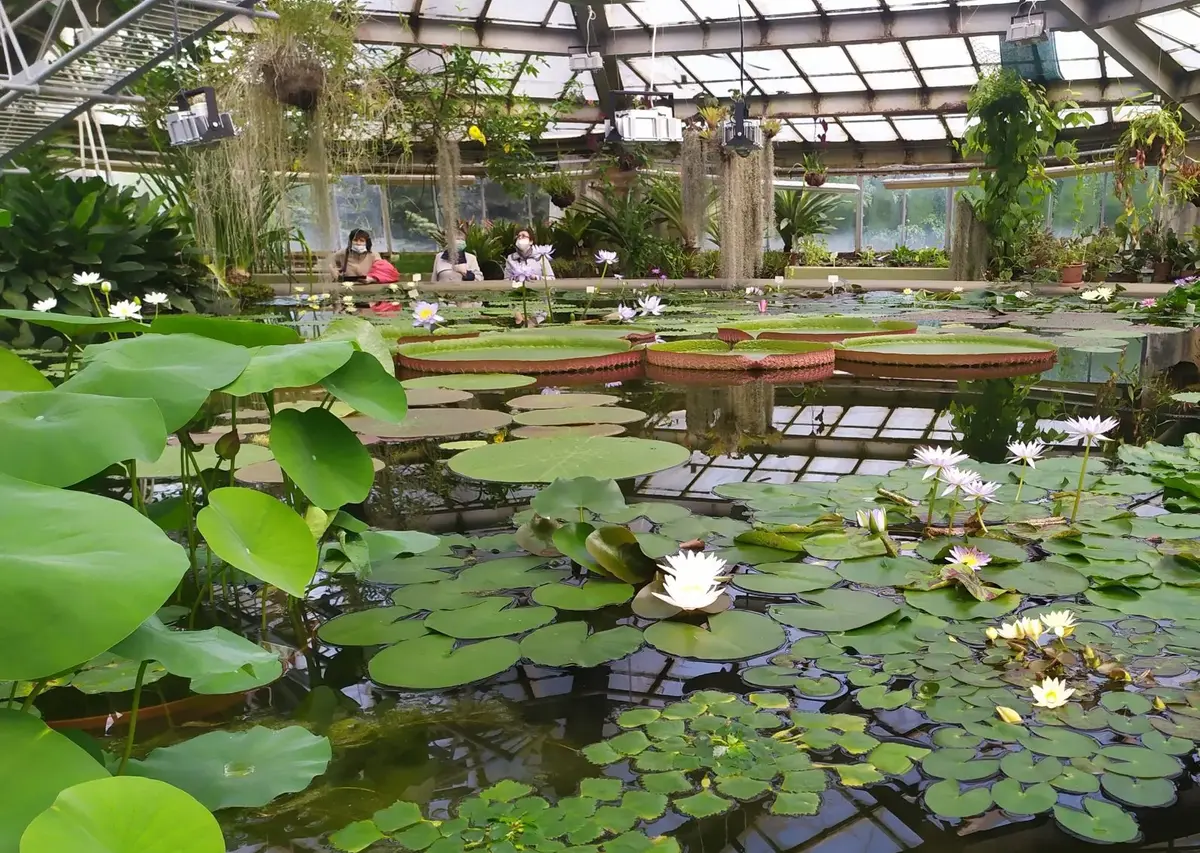
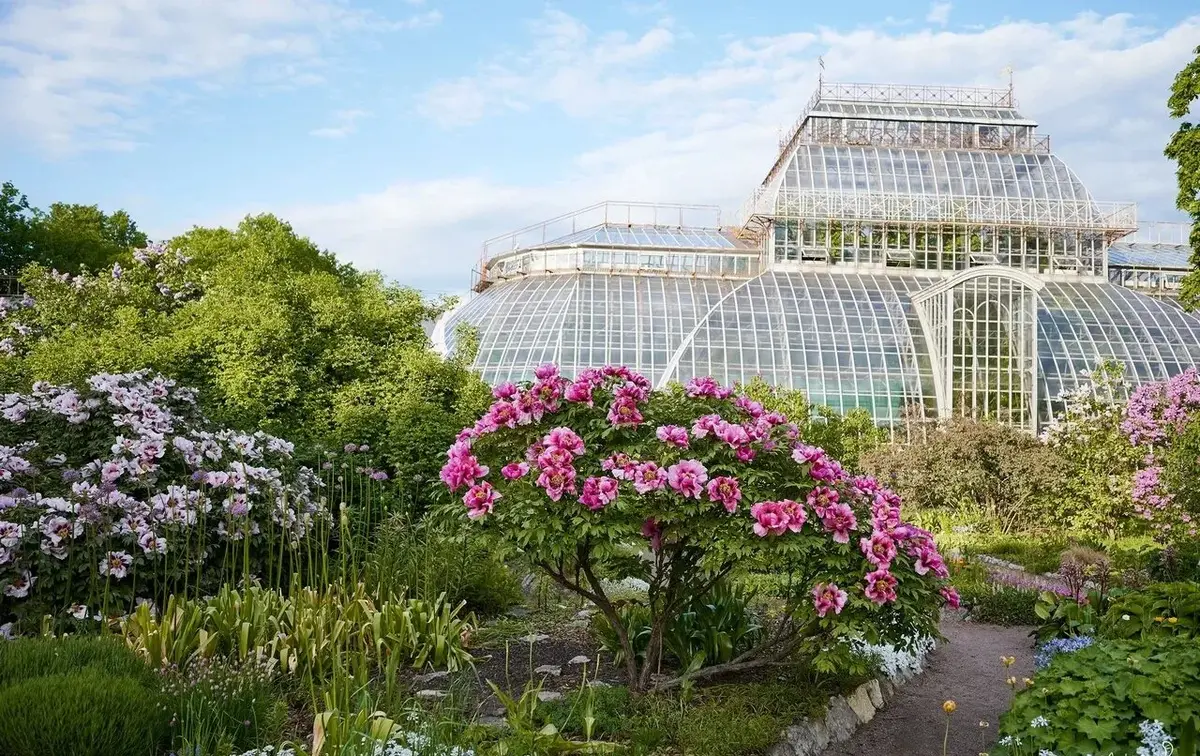
The foundational path of the Peter the Great Botanical Garden is intimately linked to the birth of St. Petersburg itself in the early 18th century. In those initial steps of the Empire, with the objective of satisfying the sanitary and supply needs of field hospitals, the tsar ordered the creation of apothecary gardens strictly destined for the massive cultivation of medicinal plants and useful herbs.
With the passing of decades, the perimeter area of the estate increased notably, incorporating rare botanical species brought from world scientific expeditions. Under the reign of each emperor of the Romanov dynasty, the park underwent structural transformations of great magnitude, managing to consolidate one of the richest and largest greenhouse crop collections on the planet at the beginning of the 20th century.
Unfortunately, all this natural splendor was on the verge of tragically dissipating under the fire of the Great Patriotic War. During the harsh months of the siege of Leningrad, incendiary shells from German artillery blew up the windows of the grand greenhouses, exposing exotic tropical collections to the freezing sub-zero temperatures of the northern winter.
The park’s landscape was completely disfigured and sown with deep bomb craters, destroying thousands of ancient trees at once. Once the war concluded, the administrative closure of the estate was weighed; however, the titanic effort, dedication, and enthusiasm of the people and scientists achieved the miraculous gradual restoration of the collections.
As a moving testimony of collective memory, the tradition of tying St. George’s ribbons on the branches of those noble surviving trees that resisted the blockade blossomed in the post-war period, a custom that remains alive to this day.
2. The Summer Garden: The Regular Symmetry of the Tsars
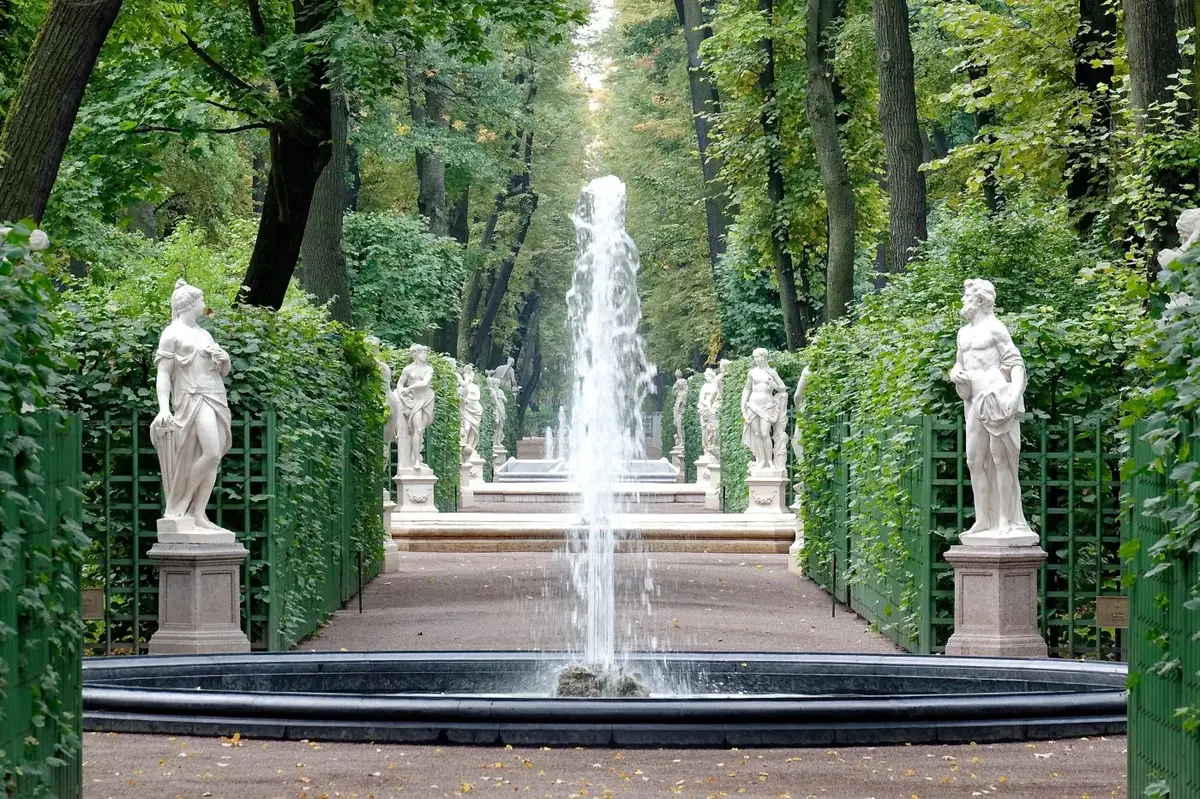
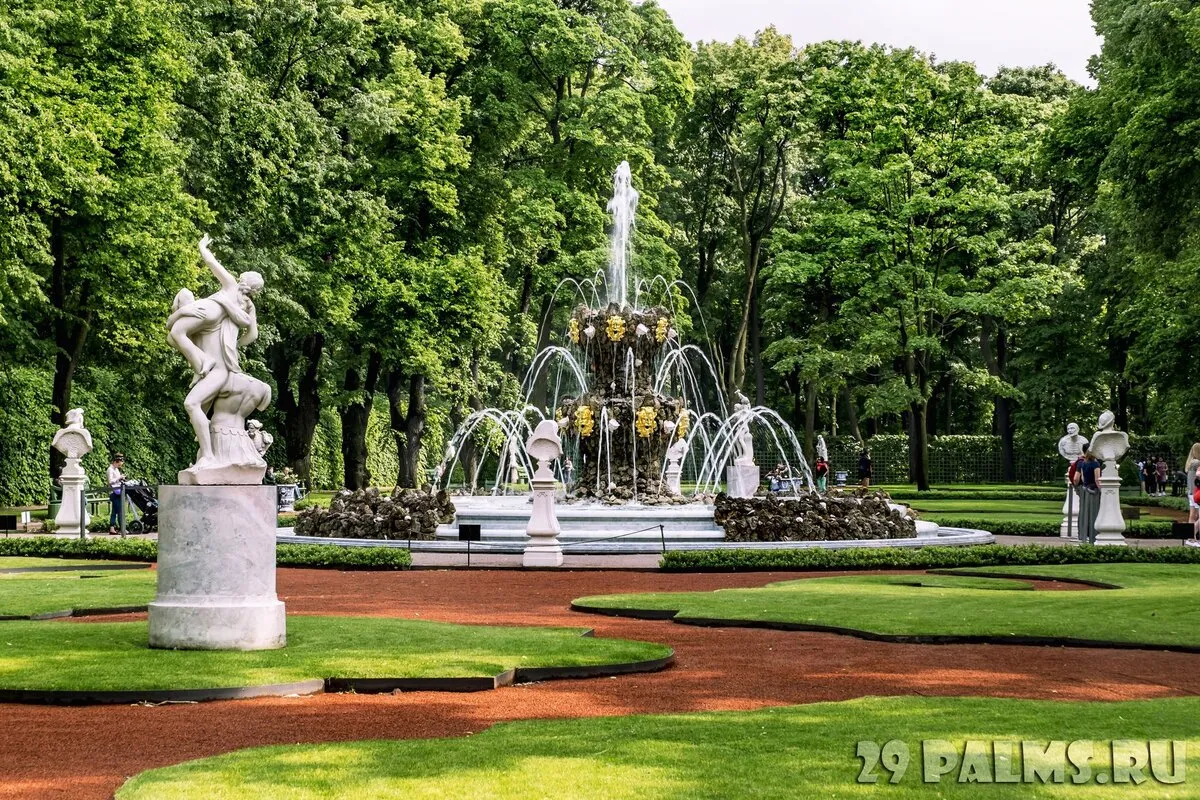
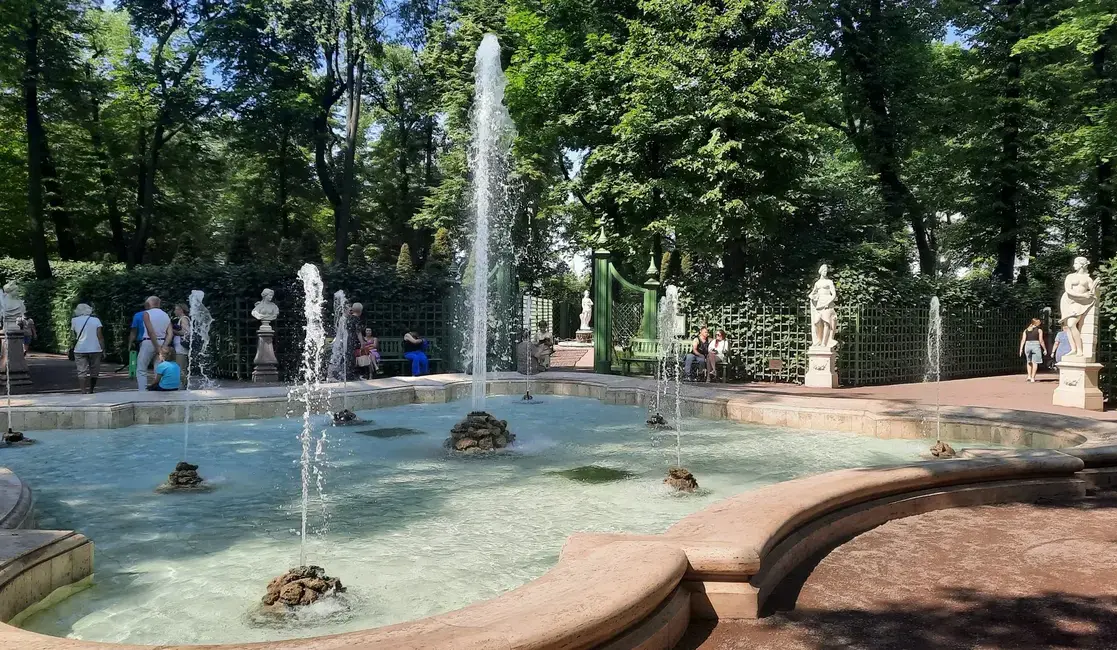
Following the guidelines of most monumental works in the Capital of the North, the Summer Garden was built by royal decree of Peter I on a river island delimited in the heart of the metropolis. The monarch himself was meticulously involved in the geometric layout of the park, which was forged strictly respecting the decorative guidelines of early 18th-century French regular gardens: perfect rectilineal alleys with shrubs and forest masses pruned into severe geometric shapes.
The park received its name not due to the exclusive fact that the tsar fixed his passing residence there during the summer months, but due to the typology of the annual summer flowers that were planted in its parterres upon the arrival of spring.
For a prolonged historical period, the estate operated as an imperial preserve strictly closed to society, reserved for masquerade balls and crown receptions; it was Tsar Nicholas I who determined its opening for free access to the citizenship. However, to cross its gates, passersby had to pay a small regulated fee and wear clean, decent clothing, which prevented the entry of peasants and the city’s working classes.
Although Baltic blizzards and floods altered the relief in various eras, the Summer Garden managed to preserve the symmetrical essence, the labyrinth of living hedges, and the beautiful classical marble sculptures that Peter I acquired in Italy to adorn his Eden.
3. The Tavrichesky Garden: The Empress’s Retreat
The Tauride (Tavrichesky) Garden proudly positions itself as one of the largest, most solemn, and busiest public parks in the center of St. Petersburg, unfolding over an elastic area of 21.1 hectares. It is located in a stately sector of the historical center, comfortably bordering other crowning monuments of the Baltic capital such as the magnificent Smolny Cathedral or the interactive Museum of the Universe of Water.
The fundamental architectural framework of the estate corresponds to the sumptuous Tavrichesky Palace; from its denomination, the park inherited its historical baptismal name, with both structures forming a single and harmonious landscape complex. The garden was formally inaugurated in 1780 under the mandate of Empress Catherine II the Great, entrusting the landscape design to the celebrated English master gardener William Gould.
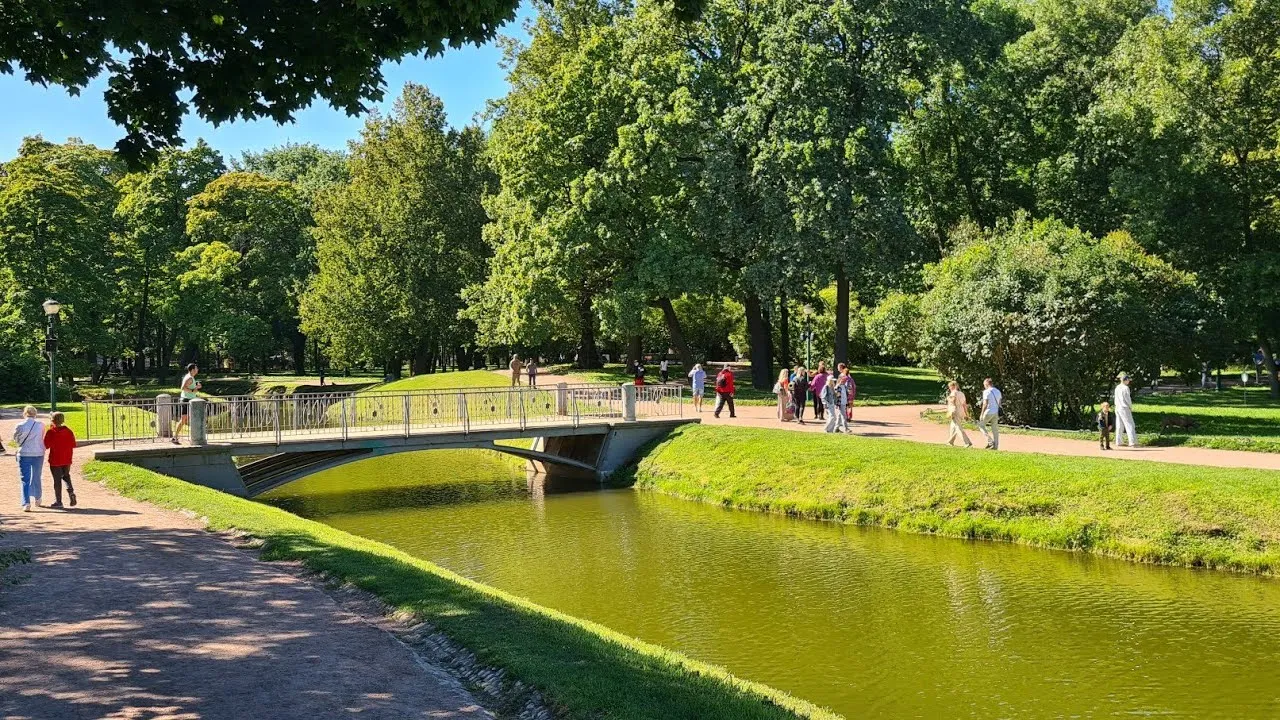
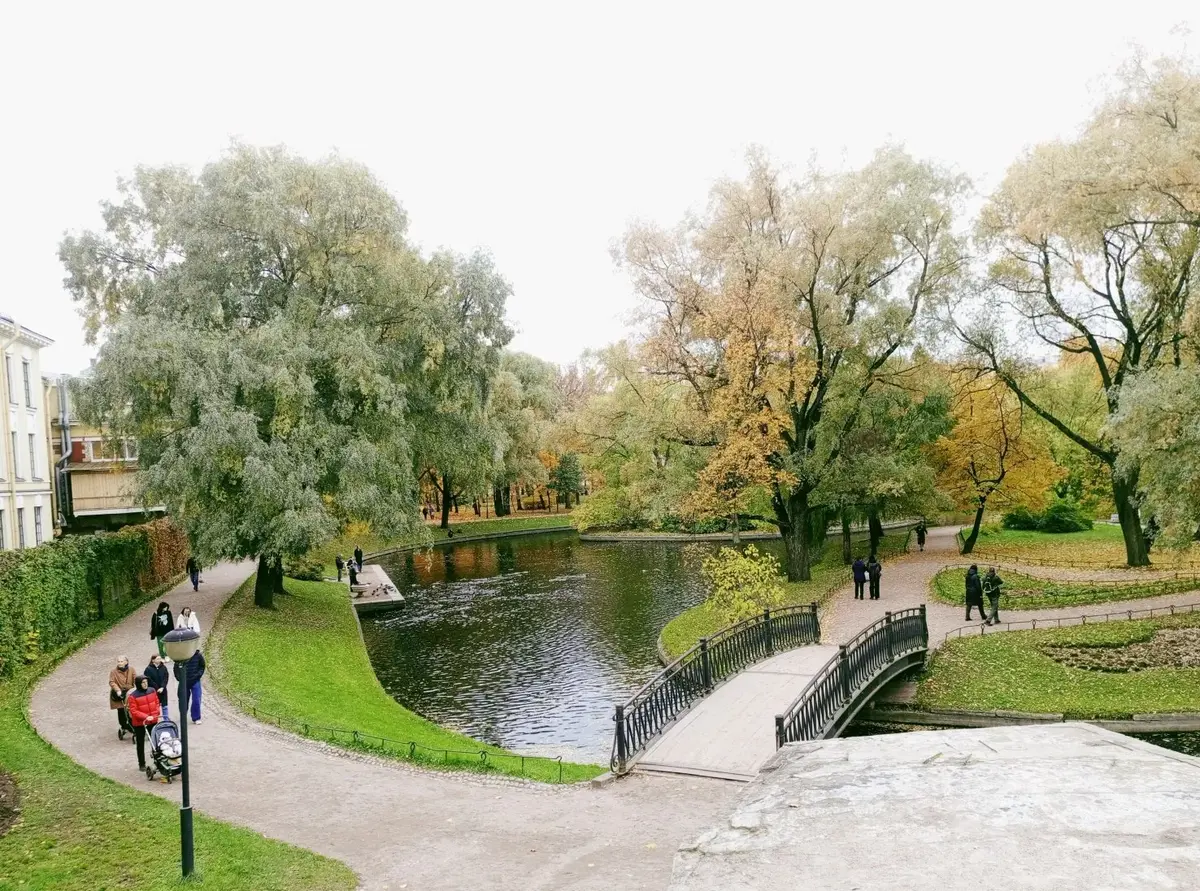
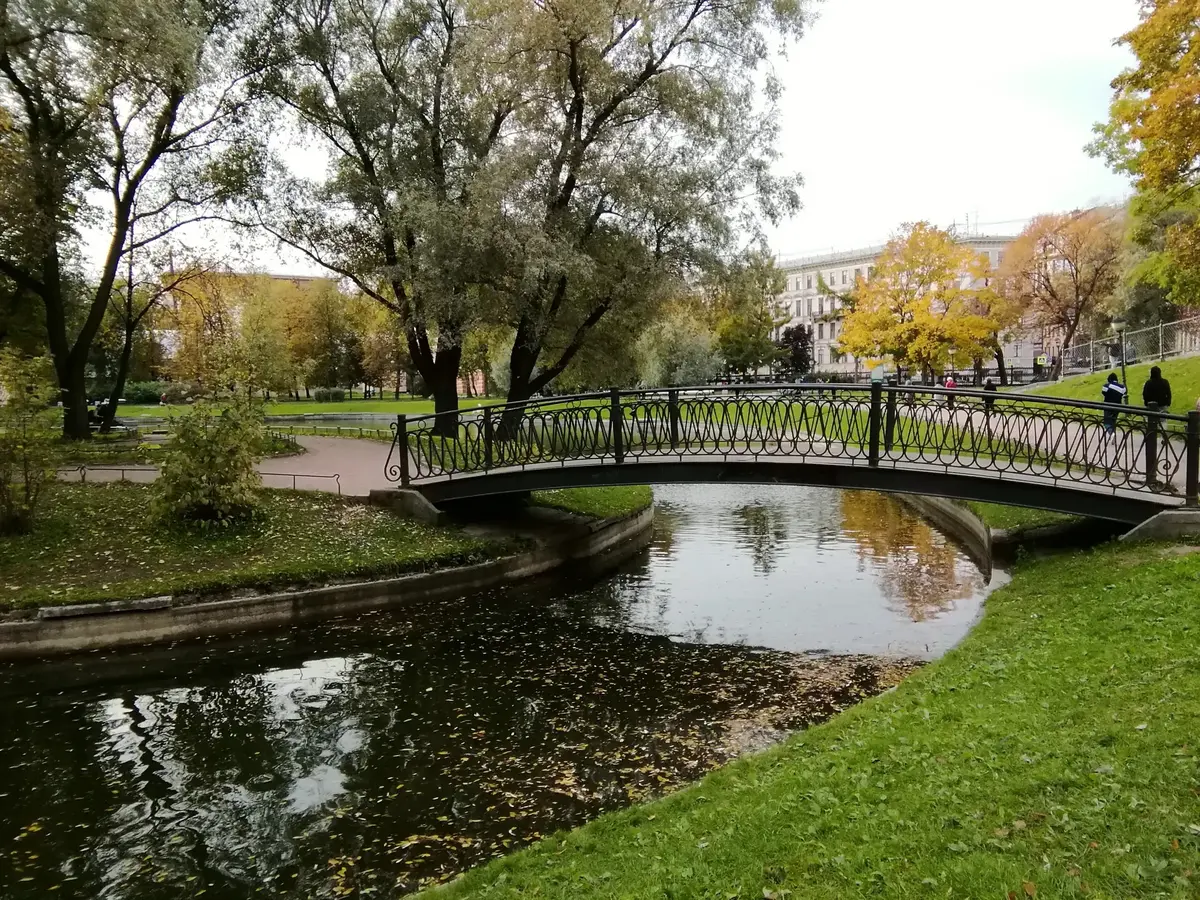
Gould modeled the relief by excavating large winding ponds of natural shapes and interconnecting them with fine wooden bridges, using the extracted earth to erect picturesque wooded hills. For decades, access was restricted exclusively to members of the imperial family.
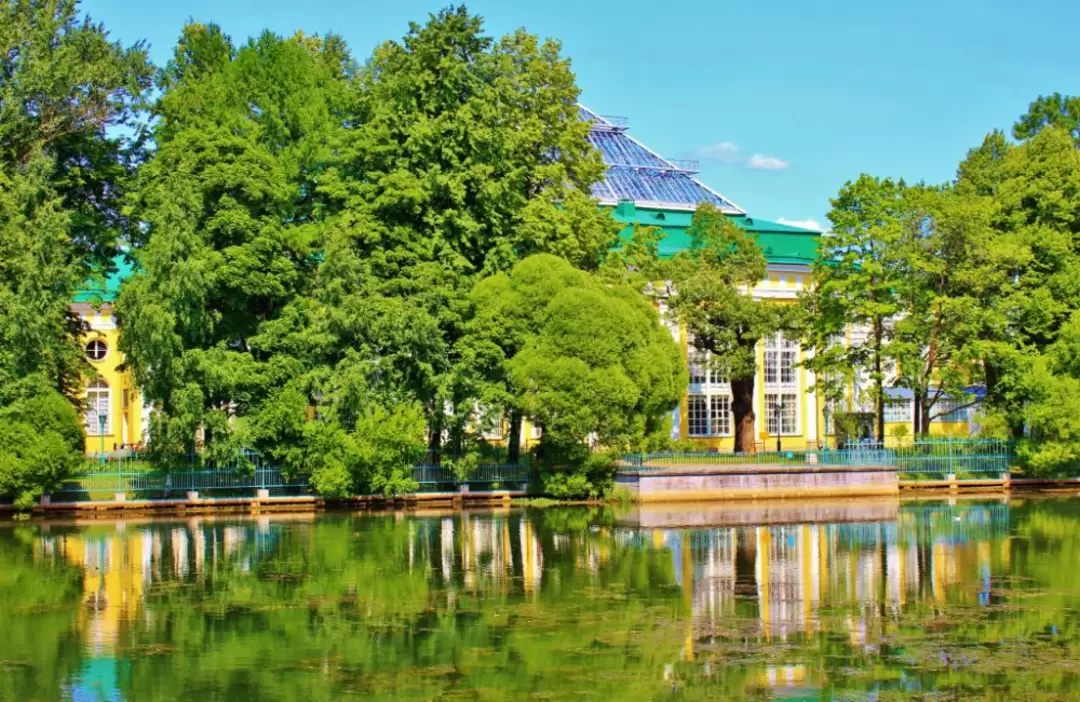
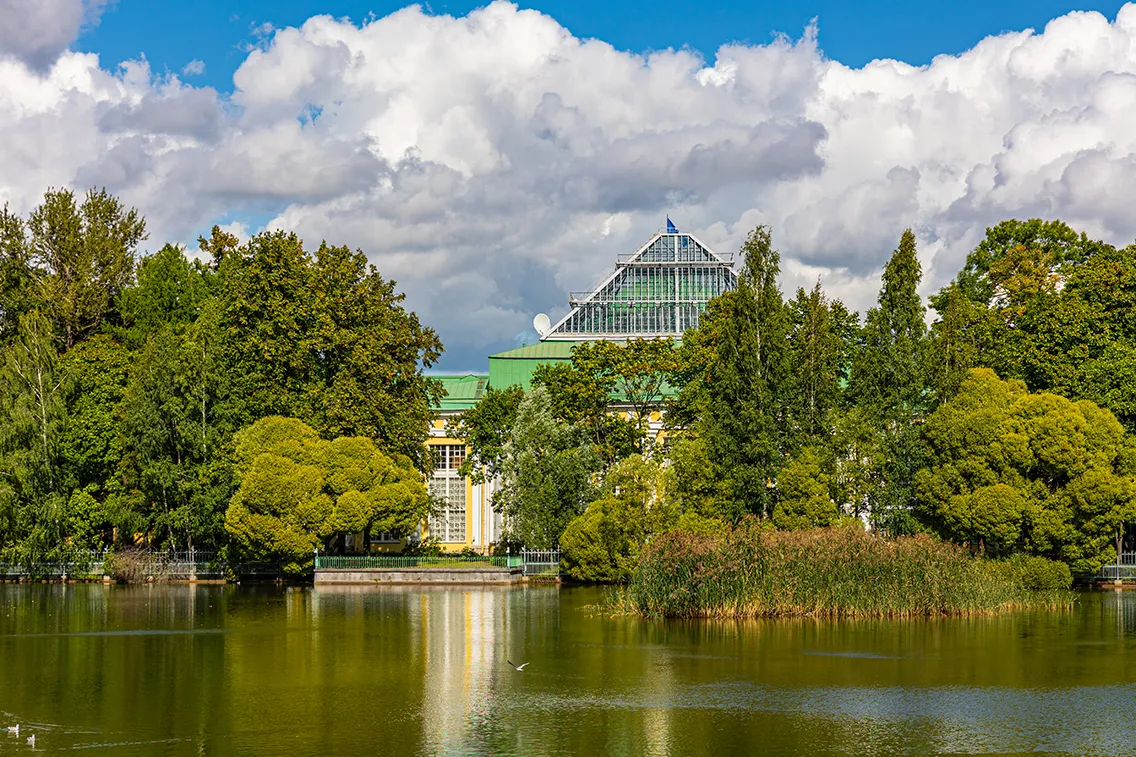
Following the triumph of the revolution, communist authorities mundanely renamed it as the First Five-Year Plan Park, with its historical denomination being restored in 1975. The estate, which suffered severe damage from aerial bombings in World War II, underwent a deep scientific restoration between 1990 and 2000. Today it houses a large greenhouse of exotic flowers, modern sports facilities, and monuments dedicated to the heroes of Russian culture.
4. The Yusupovsky Garden: The Hidden Oasis of Sadovaya
The Yusupovsky Garden represents an authentic and refreshing oasis of silence safeguarded in the epicenter of the metropolis, nestled in the Admiralteysky district, between the busy roadways of Sadovaya Street and the embankment of the Fontanka River. The dense and extended crowns of its century-old trees manage to completely isolate the walker from the constant hum and bustle of urban traffic. Frequently, independent tourists tend to confuse this park with the small garden adjacent to the Yusupov Palace on the banks of the Moika Canal, these being two entirely different properties.
In its stately origins, the estate boasted an elastic surface that doubled the current metric dimensions. The layout of the garden began in the year 1724, a cycle in which Peter I ceded the land as a royal mercy to General Grigory Yusupov, a prominent participant in the tsar’s military campaigns and a member of one of the richest princely lineages of the empire.
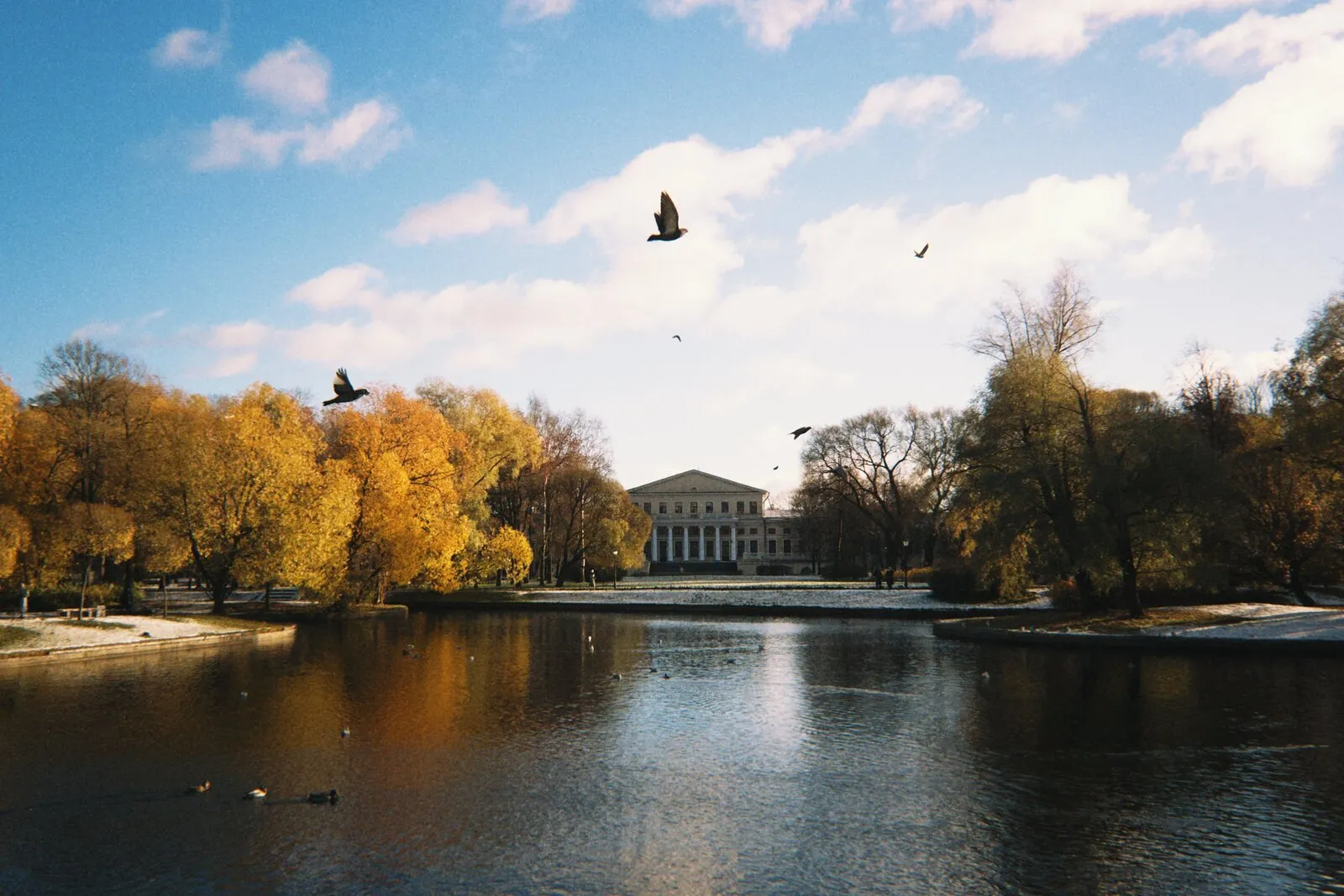
At the end of the 18th century, the heirs transformed the park into an insuperable model of landscape opulence: a large elliptical pond endowed with four wooded artificial islets was excavated, ornamental hills were poured—highlighting the hill baptized as the Parnassus—and a mystical masonry grotto with stone arches was erected. In the year 1863, under the reign of Tsar Alexander II, authorities opened the northern section of the garden for the free enjoyment and recreation of the entire population of St. Petersburg.
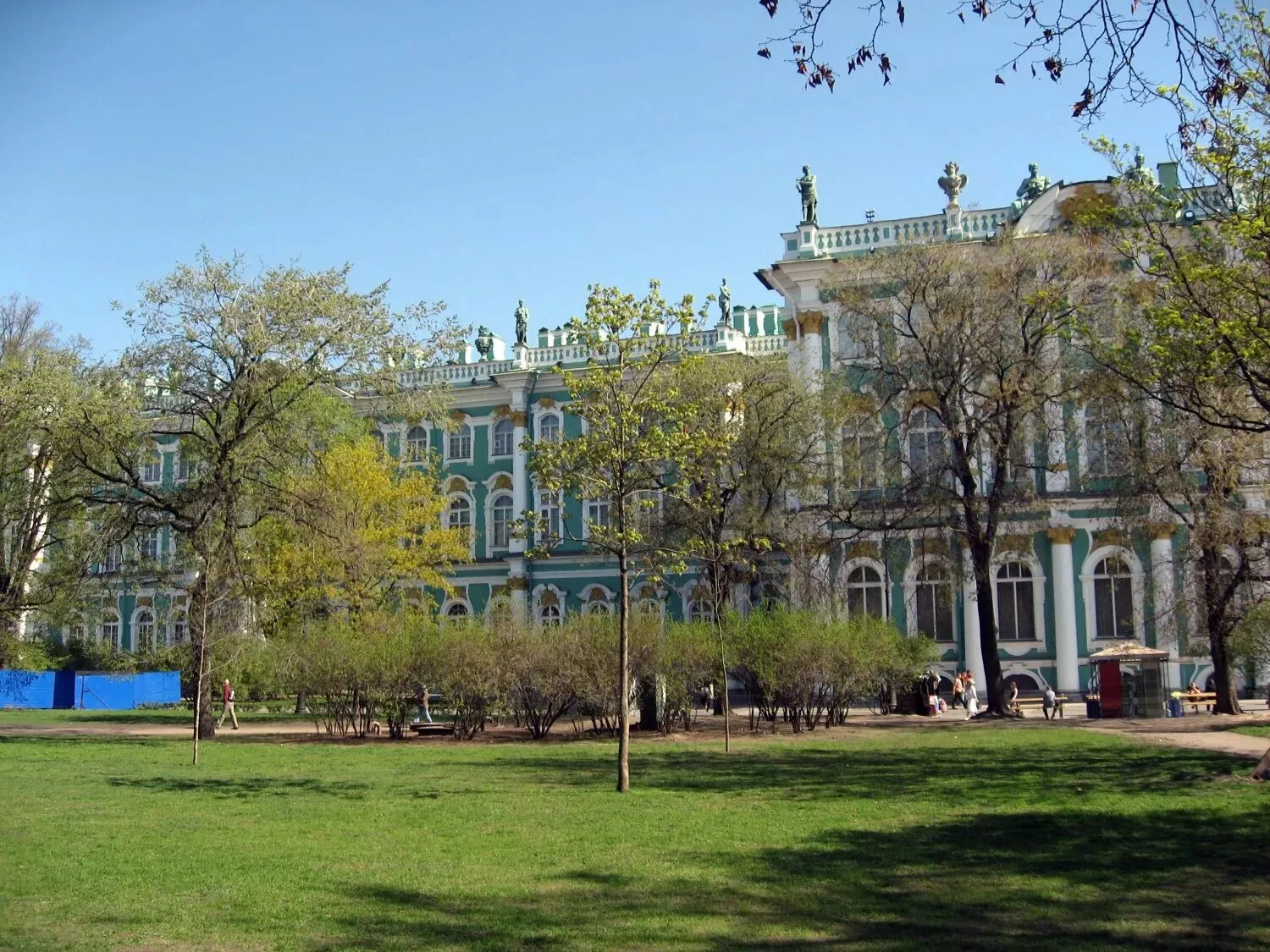
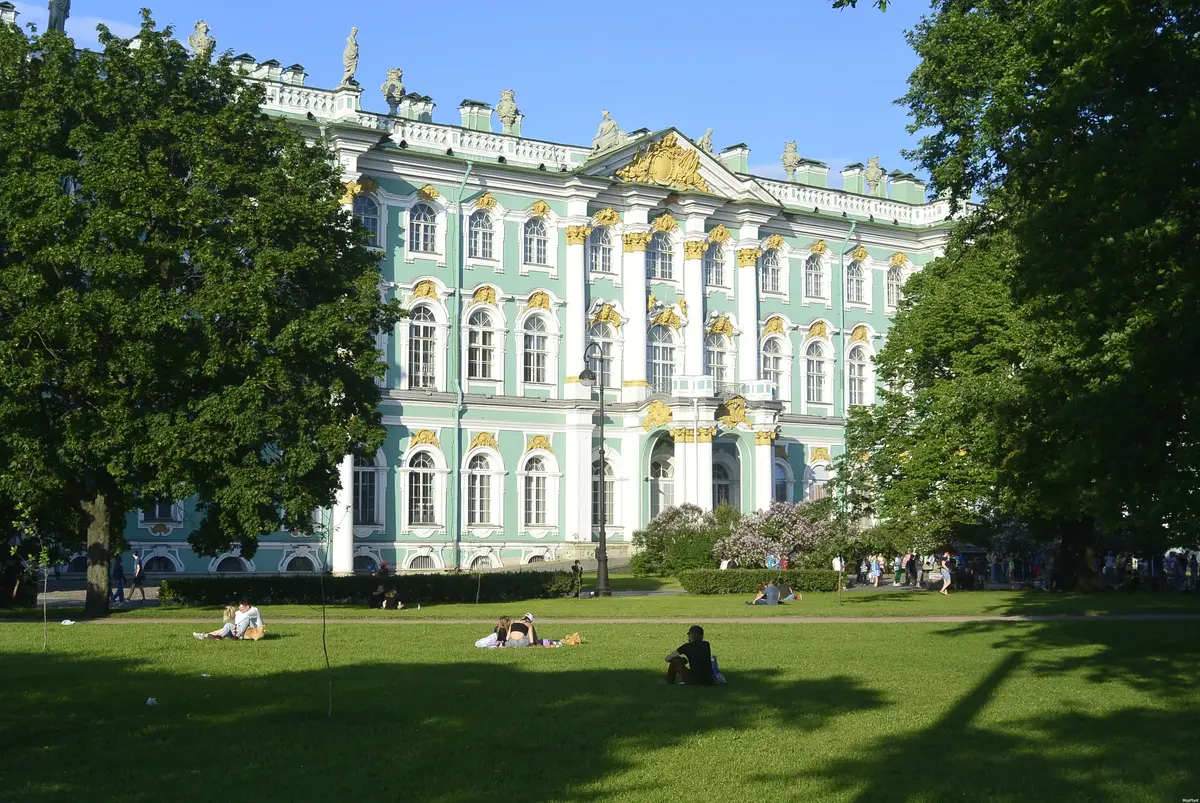
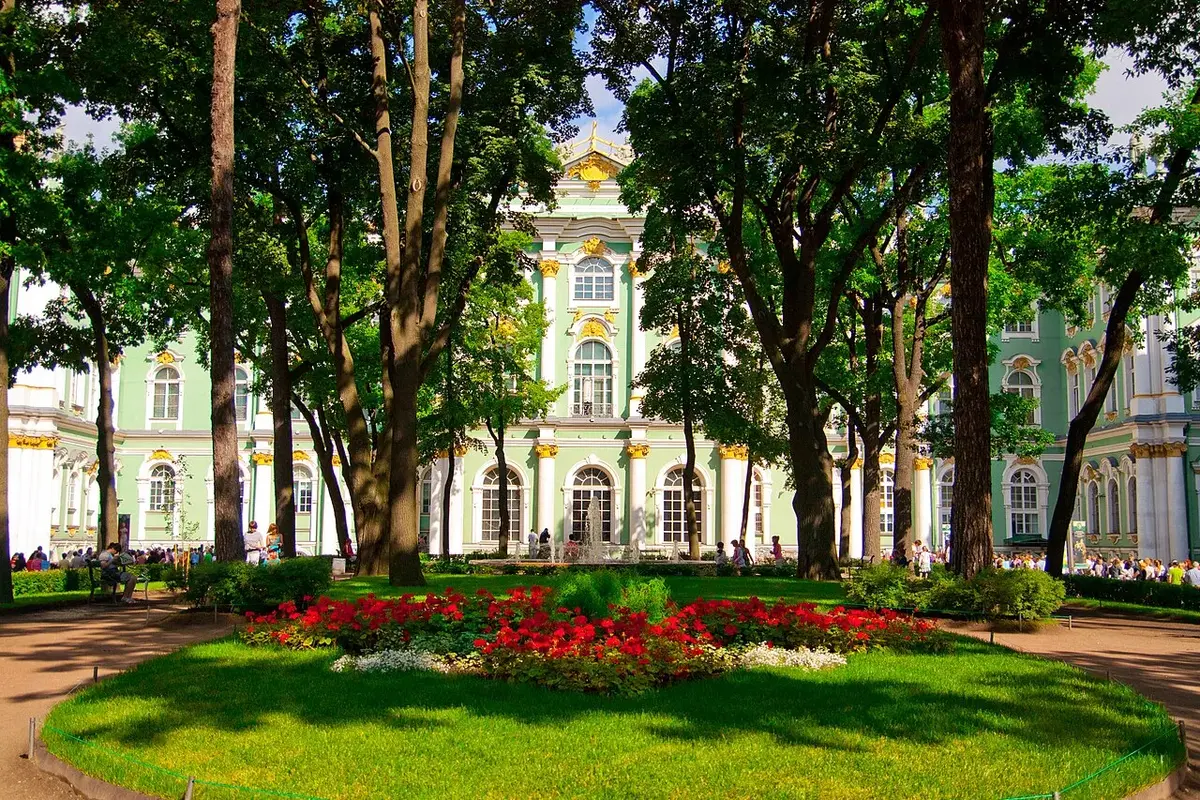
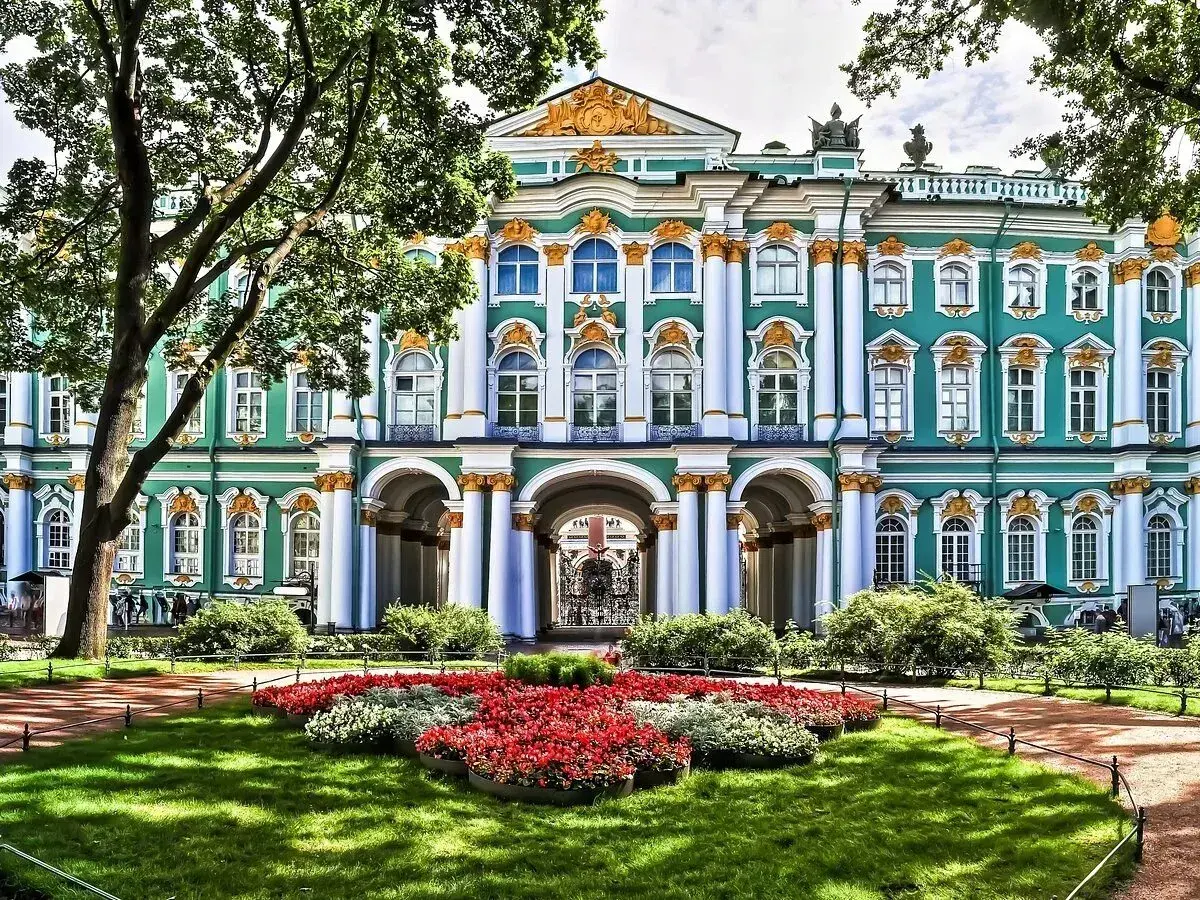
5. The Winter Palace Garden: The Green Shield of the Hermitage
The Winter Palace Garden, adorned with a superb central granite fountain and symmetrical multicolored flower beds, constitutes a crowning work of landscape architecture from the second half of the 19th century. The creation of the park responded to a practical need for urban isolation: the incessant traffic of carriages and passersby along the Palace passage and the Admiralty embankment generated an infernal noise and dust that disturbed the privacy of the imperial salons.
Likewise, the garden exercised the strategic function of a protective security shield destined to safeguard the residence of the tsars from potential attacks and indiscreet glances, isolating the private chambers of the emperor and the bedrooms of the grand duchesses located in the west wing of the first floor. The estate was founded between the years 1896 and 1897 following the directives of the Imperial Court architect.
The superb perimeter wrought iron fence that delimits the garden represents a work of art by itself, forged in local workshops following the drawings of artist Robert Meltzer. Meltzer designed a fence in a marked Rastrelli Baroque style, adorned with an elastic pattern of acanthus leaves, imperial monograms, and the Romanov coat of arms; a sketch that enthused Tsar Nicholas II. The installation of the monumental fence concluded in 1902.
After suffering severe damage and neglect during the Soviet era, a deep restoration undertaken between 2007 and 2008 returned the garden to its original gala physiognomy, recovering its role as a peaceful island of vegetation, art, and pure air in the center of St. Petersburg.
Traveling to St. Petersburg
In our itineraries of excursions in St. Petersburg, we give special attention to visiting the most symbolic places of the city and especially the palaces, museums, and cathedrals.
Do you want to enjoy your trip to Russia with professional guides? Contact us.
Imperial Collective Connection Pathway
This chronicle of wooded and imperial refuges is part of our Baltic capital historical knowledge network. If you wish to analyze in detail the journeys of Peter the Great or the siege that shaped the city, we invite you to explore our master chronicle: The History of St. Petersburg: From the Window to Europe to the Hero City.