With our article on 5 Unique Places in St. Petersburg, we definitively close this sumptuous series of chronicles dedicated to revealing the secrets of the Venice of the North. There is no doubt that the city guards hundreds of corners that deserve special attention; however, we have chosen the 25 most emblematic sites on the monumental plane, leaving the remaining ones for when you visit us on the ground.
1. The Mariinsky Theatre: The Epicenter of Musical Sophistication
What would the Venice of the North be if we stripped it of the secular glamour of its stages? It would be an unimaginable scenario. Not in vain, St. Petersburg proudly holds the title of the cultural capital of Russia, a status achieved largely thanks to the international prestige of its theaters.
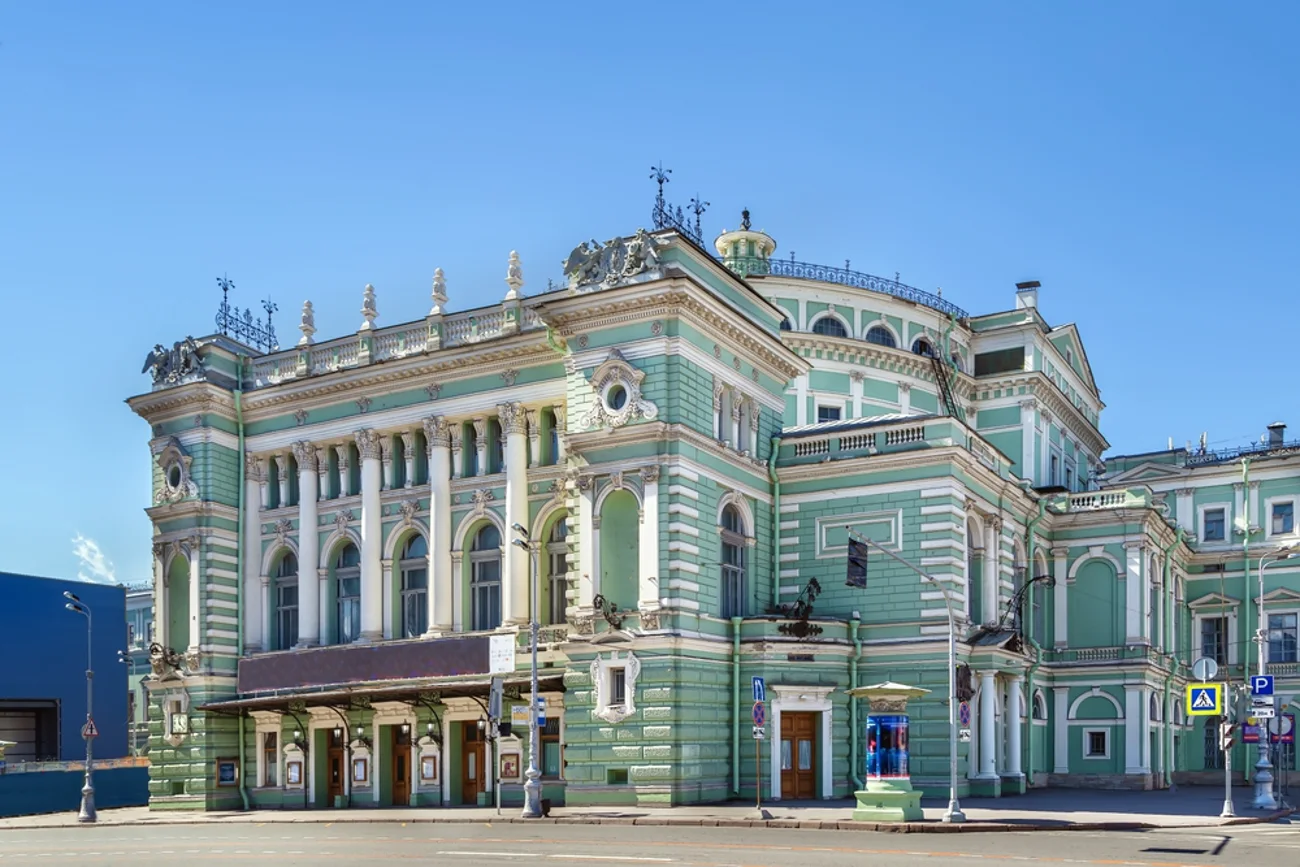
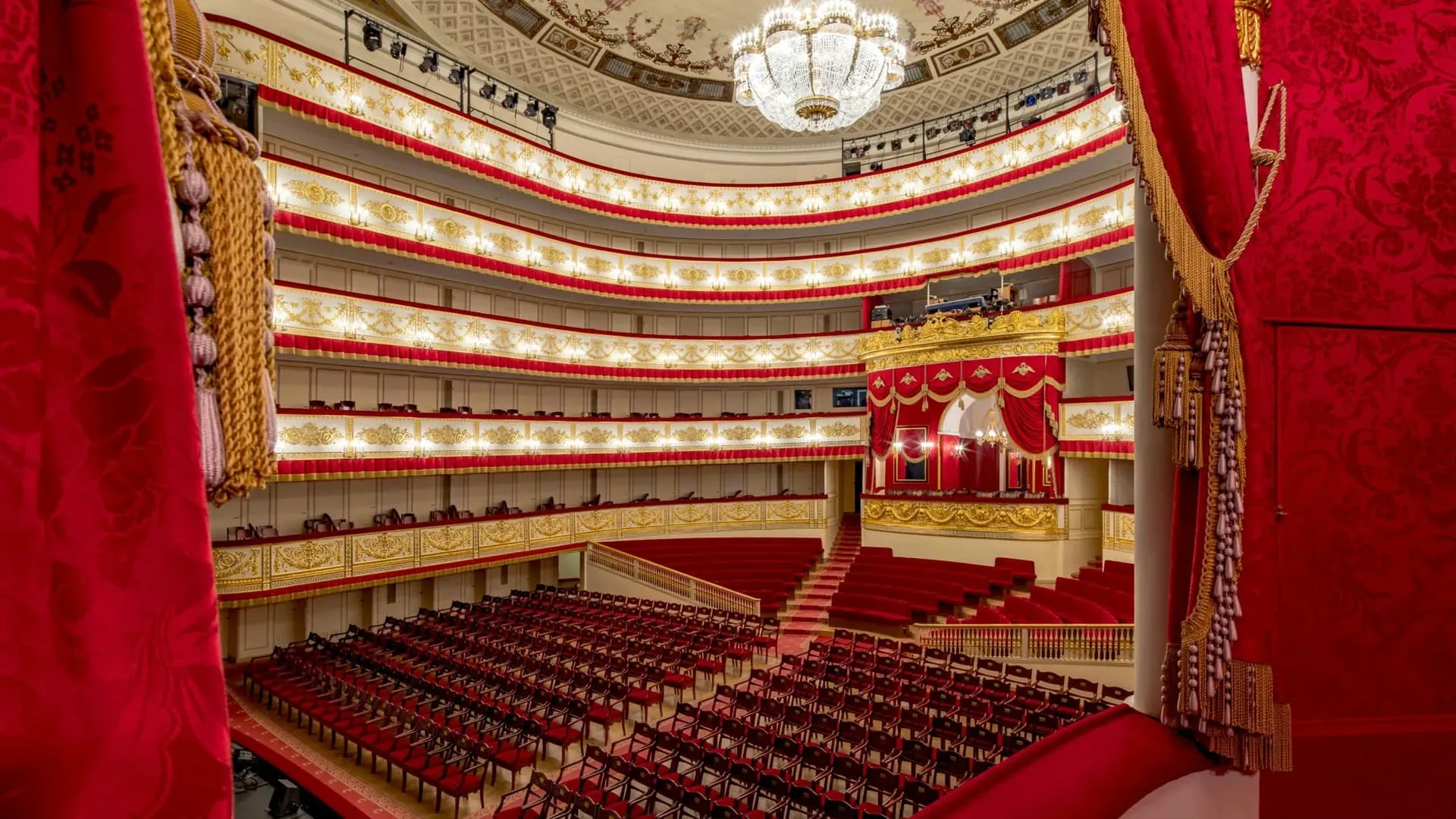
One of the most famous lyrical temples on the planet is the Mariinsky Theatre, named in honor of Empress Maria Aleksandrovna. The sumptuous stone building was constructed in 1860, meticulously following the guidelines and plans of the Russian-Italian architect Alberto Cavos.
For a prolonged historical period, prime opera productions and gala ballets were staged at the city’s old Bolshoi Theatre; however, in the mid-1880s, after undergoing a deep technical modernization of the Mariinsky’s equipment, the entirety of the official company moved to its dependencies.
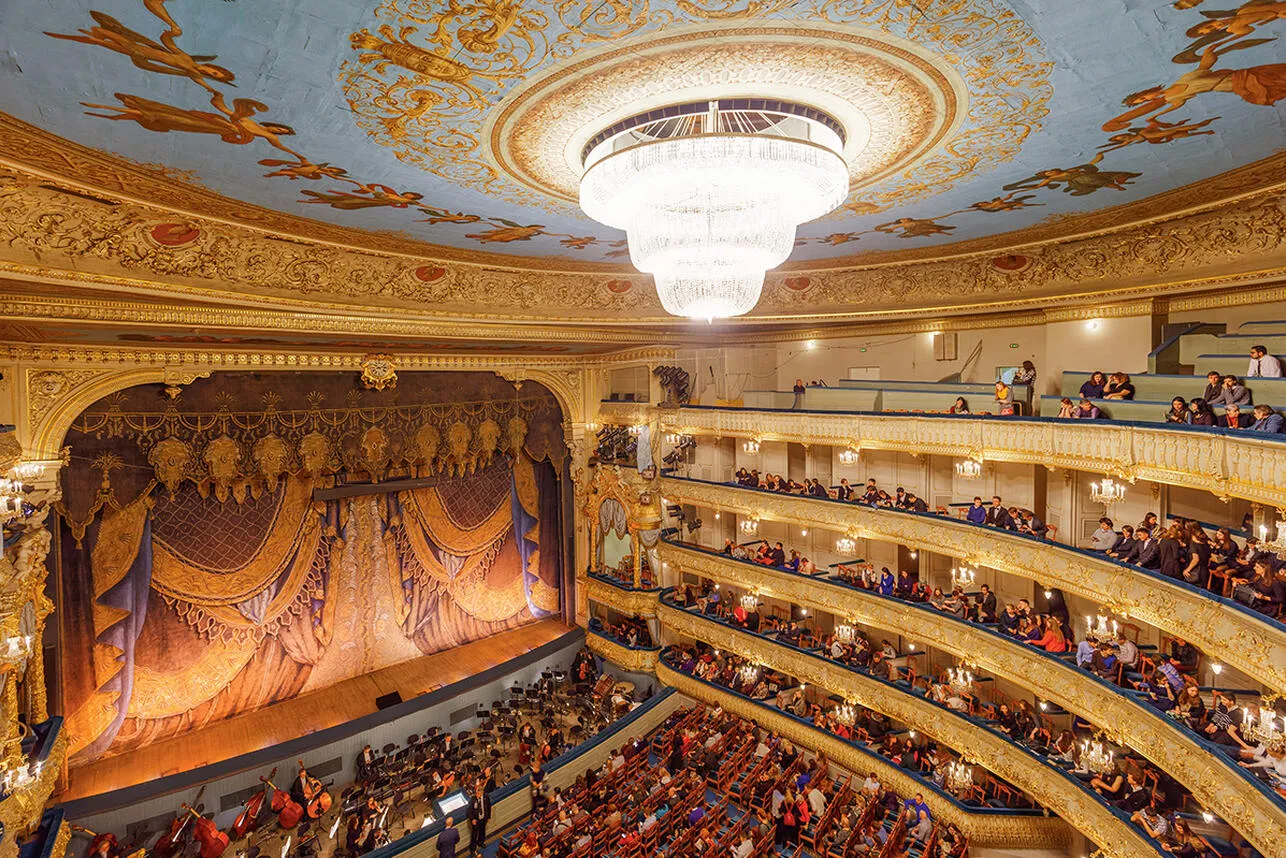
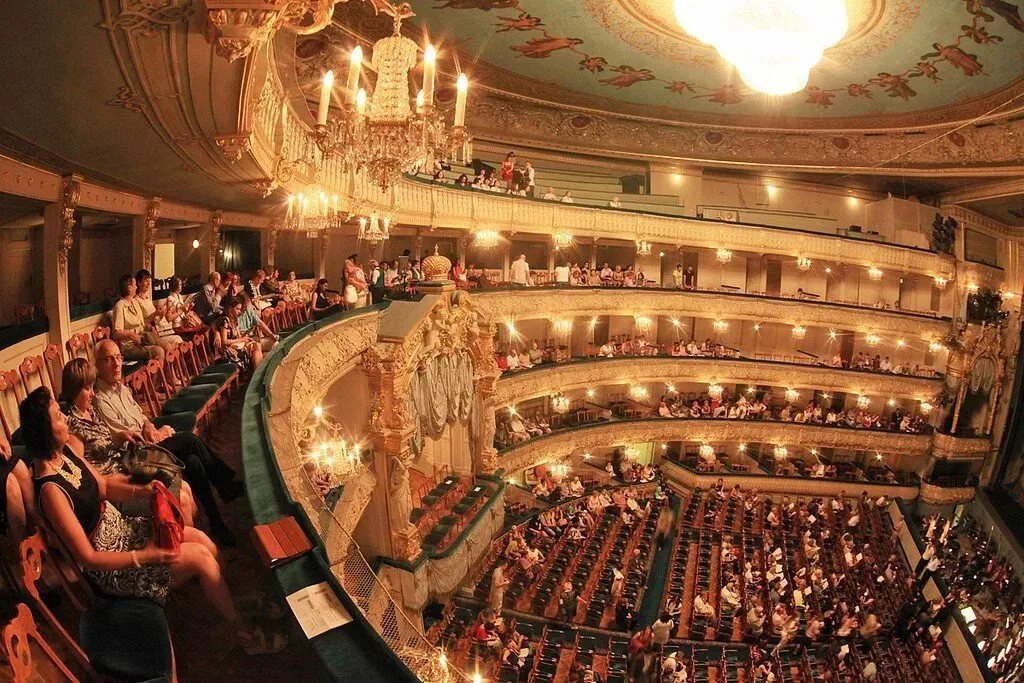
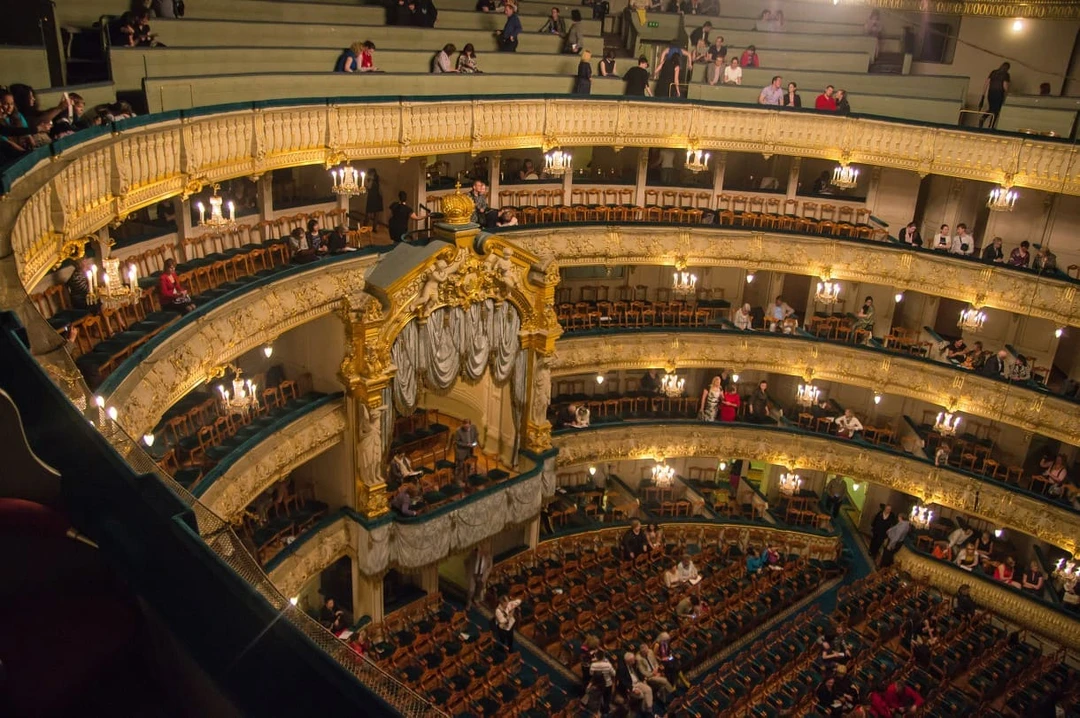
Ten years later, the structure was reconstructed to house the conservatory and handed over to the Russian Musical Society, coexisting in harmony with daily performances. Enjoying a classical performance by Tchaikovsky today while sitting in an auditorium that preserves the original 19th-century blue and gold decoration constitutes an authentic luxury and pleasure for the senses.
2. The Alexandrinsky Theatre: The Dramatic Cradle of the Empire
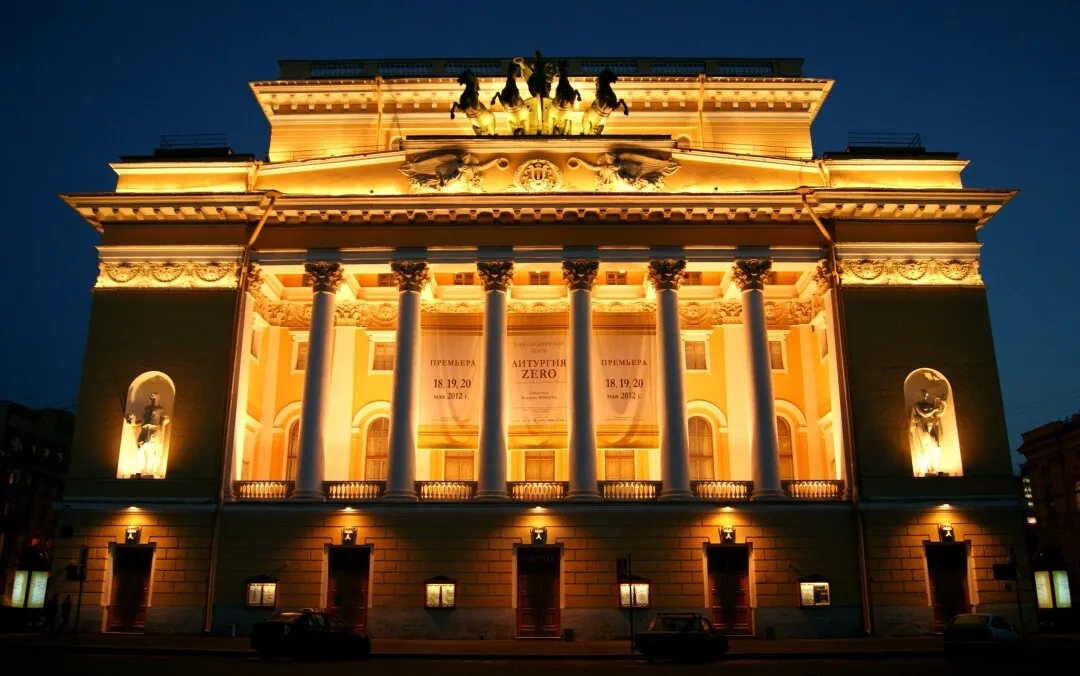
The first public state theater in Russia to have a permanent and stable venue for its rehearsals and performances was the Alexandrinsky Theatre, officially founded in 1756. The space was created by decree of Empress Elizabeth Petrovna and its first general direction was delegated to the playwright Fyodor Volkov, to whom history rightfully assigns the title of founder of the national theater.
It was precisely on the wooden boards of the Alexandrinsky where the sophisticated school of dramatic interpretation of St. Petersburg began to take shape, which frequently opposed the rhythms and stage patterns of Moscow theaters.
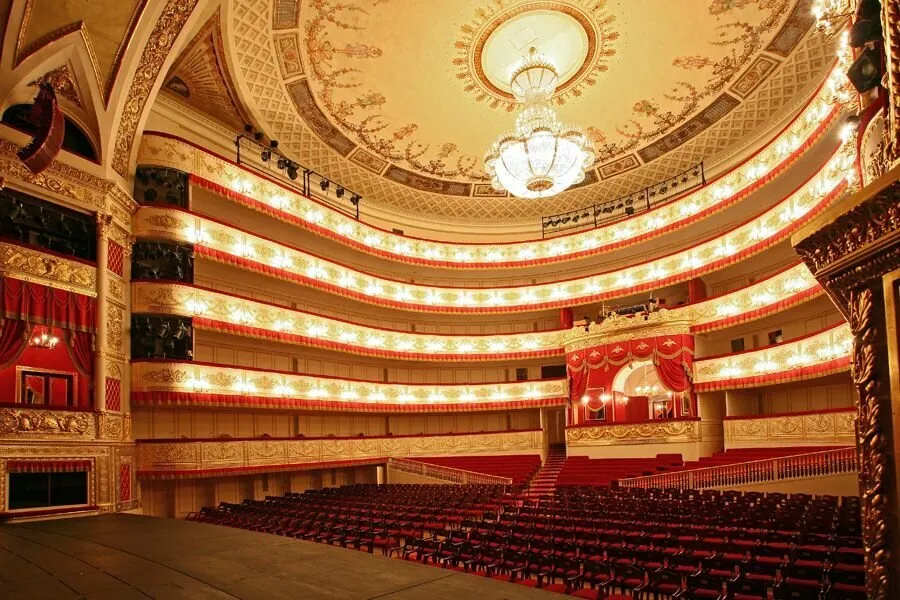
The grandstands have been moved and enlightened by stagings based on the immortal texts of Griboyedov, Ostrovsky, and Gogol. The institution has operated uninterruptedly since its feudal origin, halting its functions only during the tragic siege of Leningrad. Today, its neoclassical rooms allow visitors to delight in masterful performances interpreted by the most celebrated actors of Russian cinema and stage.
3. Alexander Nevsky Lavra and Its Elite Necropolis
In the year 1710, Tsar Peter I ordered the construction of a grand monastery on the historic site of the famous Battle of the Neva, seeking to honor the military feat of the holy prince Alexander Nevsky. Although the chroniclers and engineers of the time made a small error in calculating the land coordinates—since the combat actually took place a few kilometers further up the river channel—this geographical mismatch did not detract one bit of grandeur or mystical relevance from the imposing stone monastery.
Following the consecration of the Lavra (a title reserved for Orthodox monasteries of the highest rank), Peter the Great himself personally transferred the sacred relics of Alexander Nevsky from the city of Vladimir. The vast territory of the enclosure guards active traditional workshops for fine icon painting and liturgical goldsmithing, with the woodwork of its cabinetmakers being renowned throughout the country.
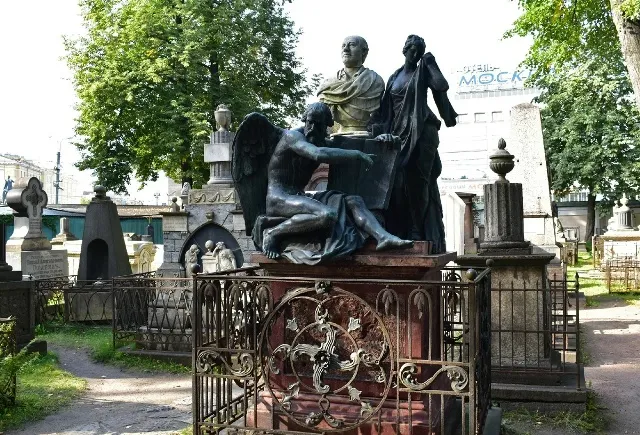
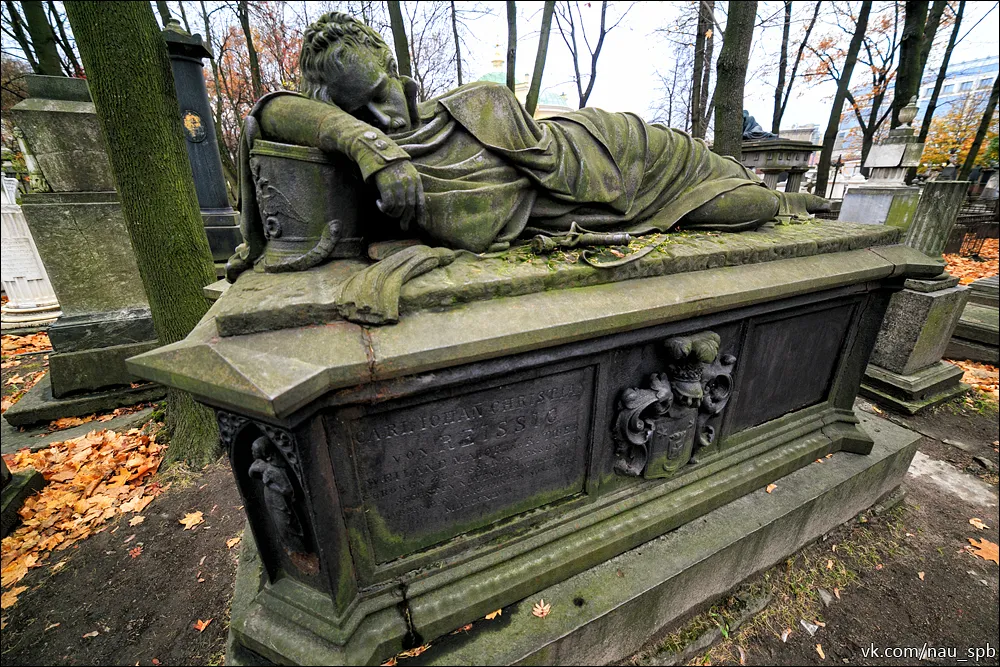
The most visited area of the complex is its historic Artists’ Necropolis, a stately cemetery where creators of the stature of Dostoevsky, Tchaikovsky, or the architect Rossi rest. During the Tsarist era, permission for burial on this elite ground was restricted, being issued exclusively by personal sanction of the emperor himself.
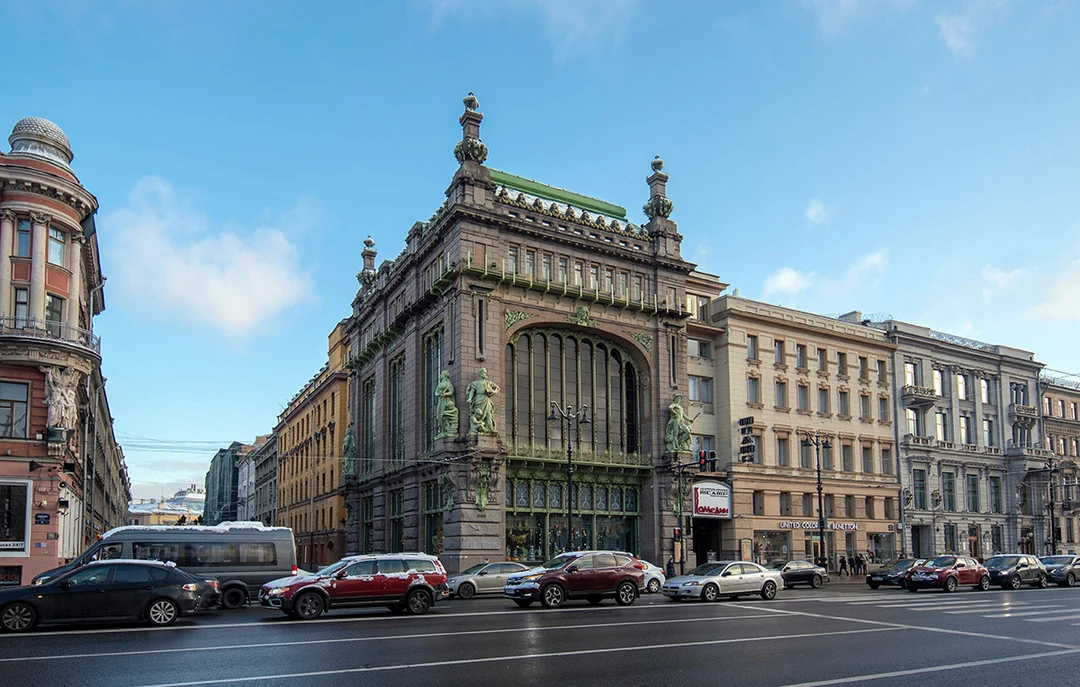
4. The House of the Eliseev Merchants: Gastronomic Opulence
The chronicles of St. Petersburg guard an evocative legend surrounding the mercantile dynasty of the Eliseevs. It is said that Piotr Eliseev, a humble serf who served as a gardener for Count Sheremetyev, surprised his lord in the middle of a winter evening by serving him a basket filled with fresh strawberries grown in his secret greenhouses. Astonished by his botanical skill, the count immediately granted him his freedom along with a dowry of 100 rubles of the time; a small fortune that Eliseev shrewdly invested to found an import warehouse for exotic fruits and select wines.
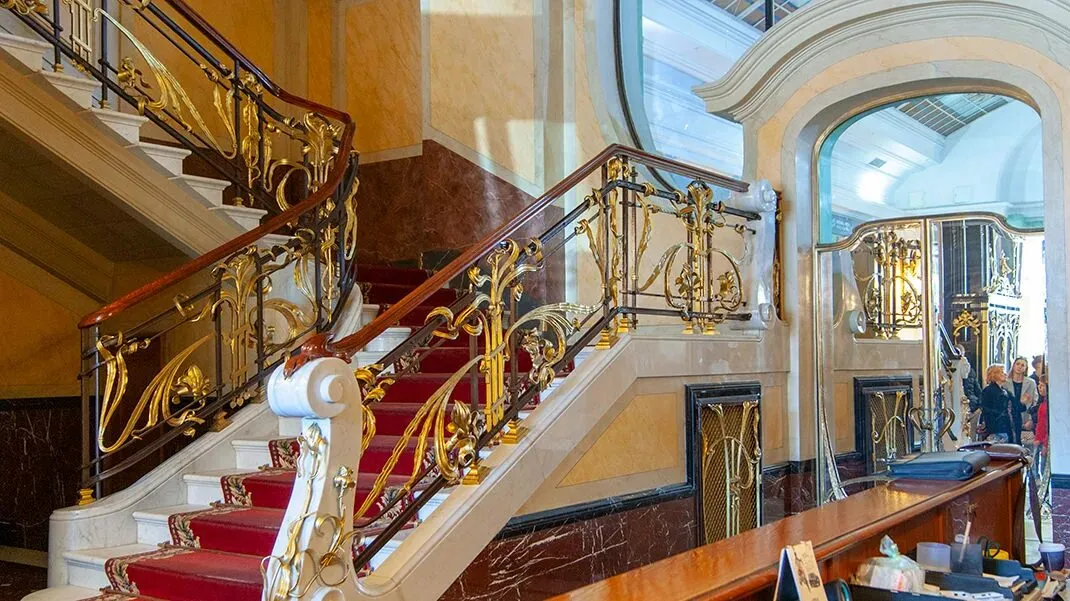
The family business prospered so phenomenally that, at the beginning of the 20th century, his descendants ordered the architect Gavriil Baranovsky to construct the sumptuous Art Nouveau palace that today crowns Nevsky Avenue.
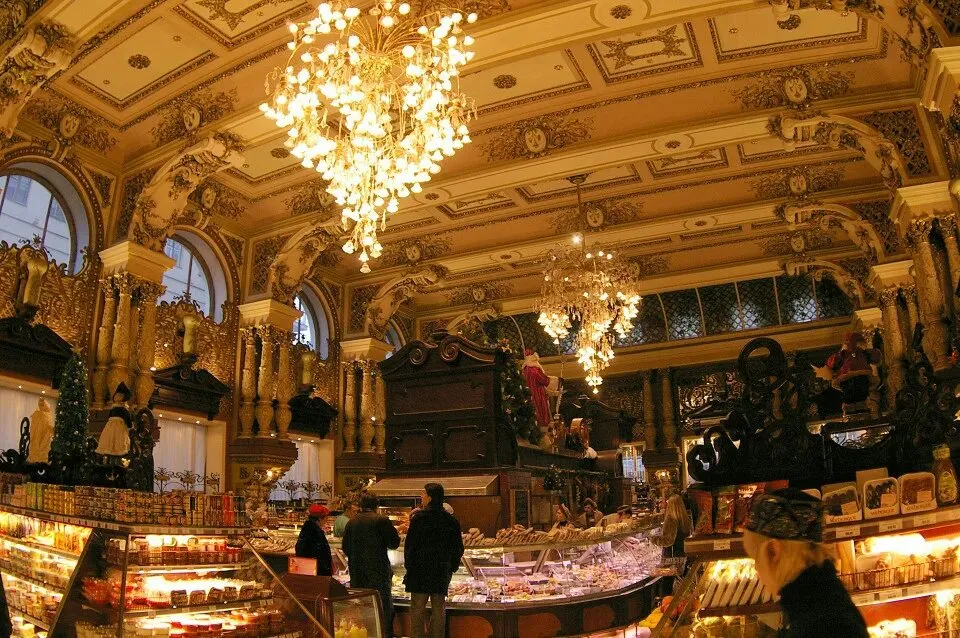
The structure combined a fastidious fine grocery store, banquet halls, and a modular theater. Upon entering its interior, surrounded by stained-glass windows of high craftsmanship, tinted glass, and an autonomous mechanical piano playing timeless melodies, the traveler can taste traditional signature pastries and artisanal liqueurs while contemplating a decor that treasures more than one hundred years of commercial opulence.
5. The House of the Singer Company: The Feat of Granite and Glass
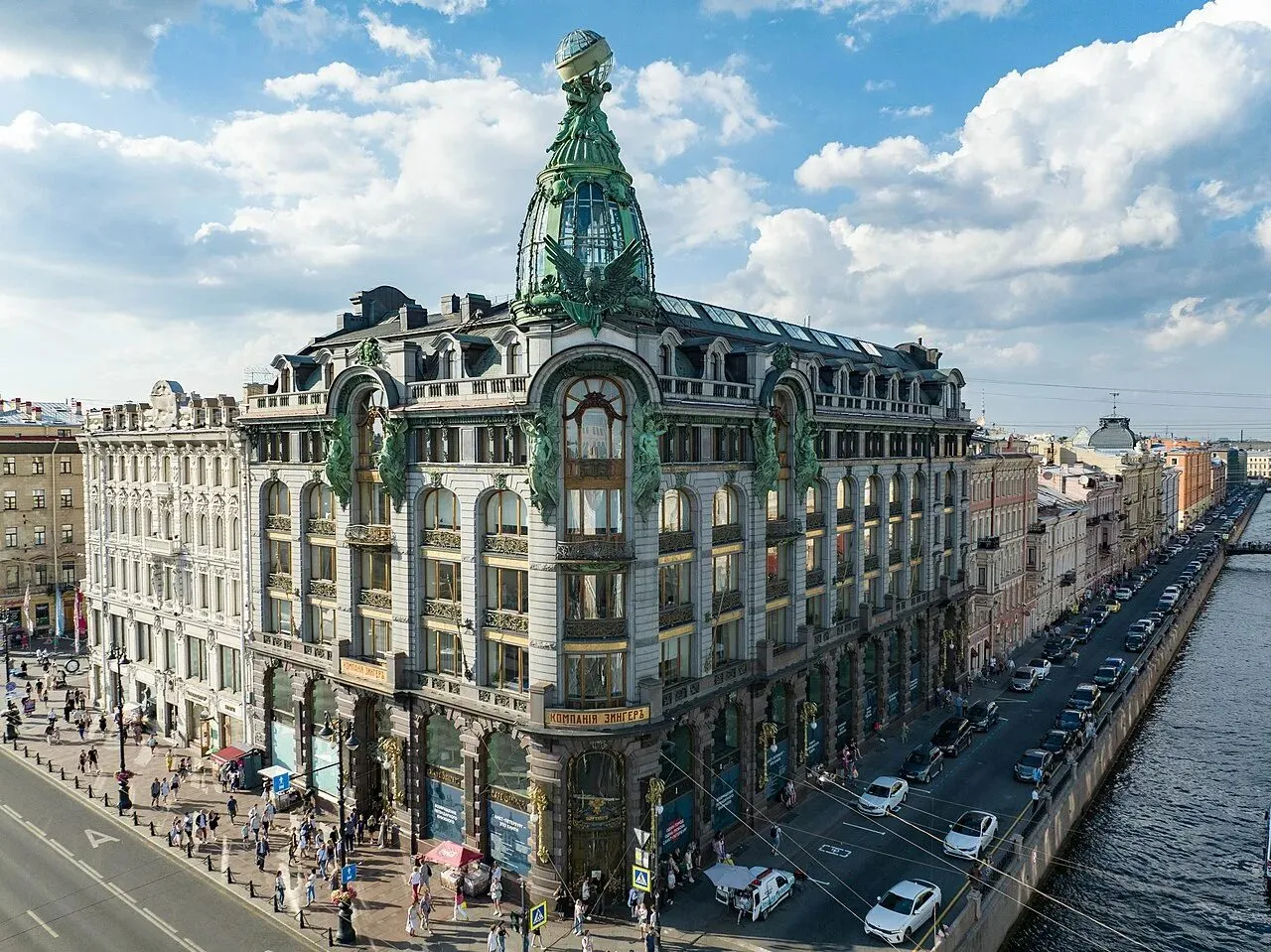
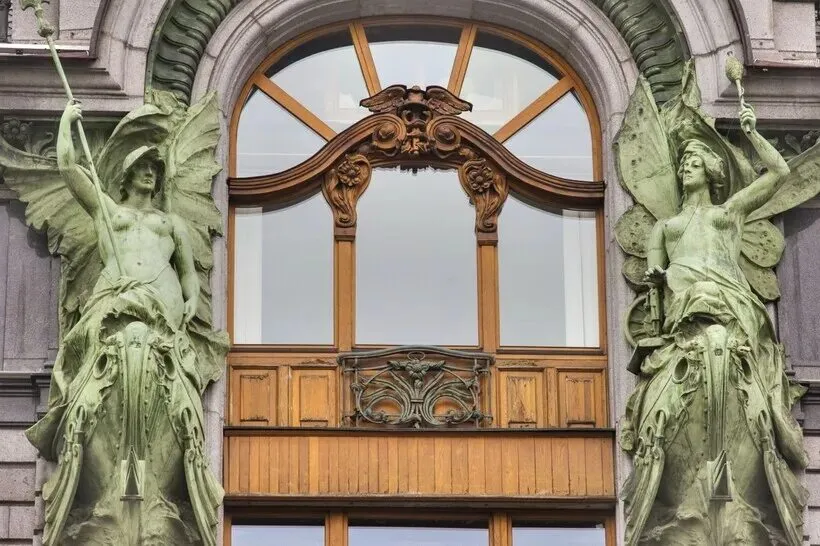
The American sewing machine corporation Singer required a headquarters of great architectural prestige in the heart of the financial district of the Russian capital. In 1902, the board entrusted the construction to the Russian architect Pavel Syuzor, who conceived an Art Nouveau masterpiece, masterfully evading the strict height restrictions in force at the time. Due to the swampy characteristics of the Baltic subsoil, imperial decrees strictly prohibited civil constructions in the center from exceeding a height of 23.5 meters (11 sazhens).
Syuzor raised the spectacular granite facade respecting the linear limit; however, he crowned the building by constructing a huge elastic penthouse and a stylized glass dome of a futuristic cut exempt from the regulations of the roadway. In this way, in 1904 the Singer House was crowned as the tallest and most vanguard civil building in St. Petersburg.
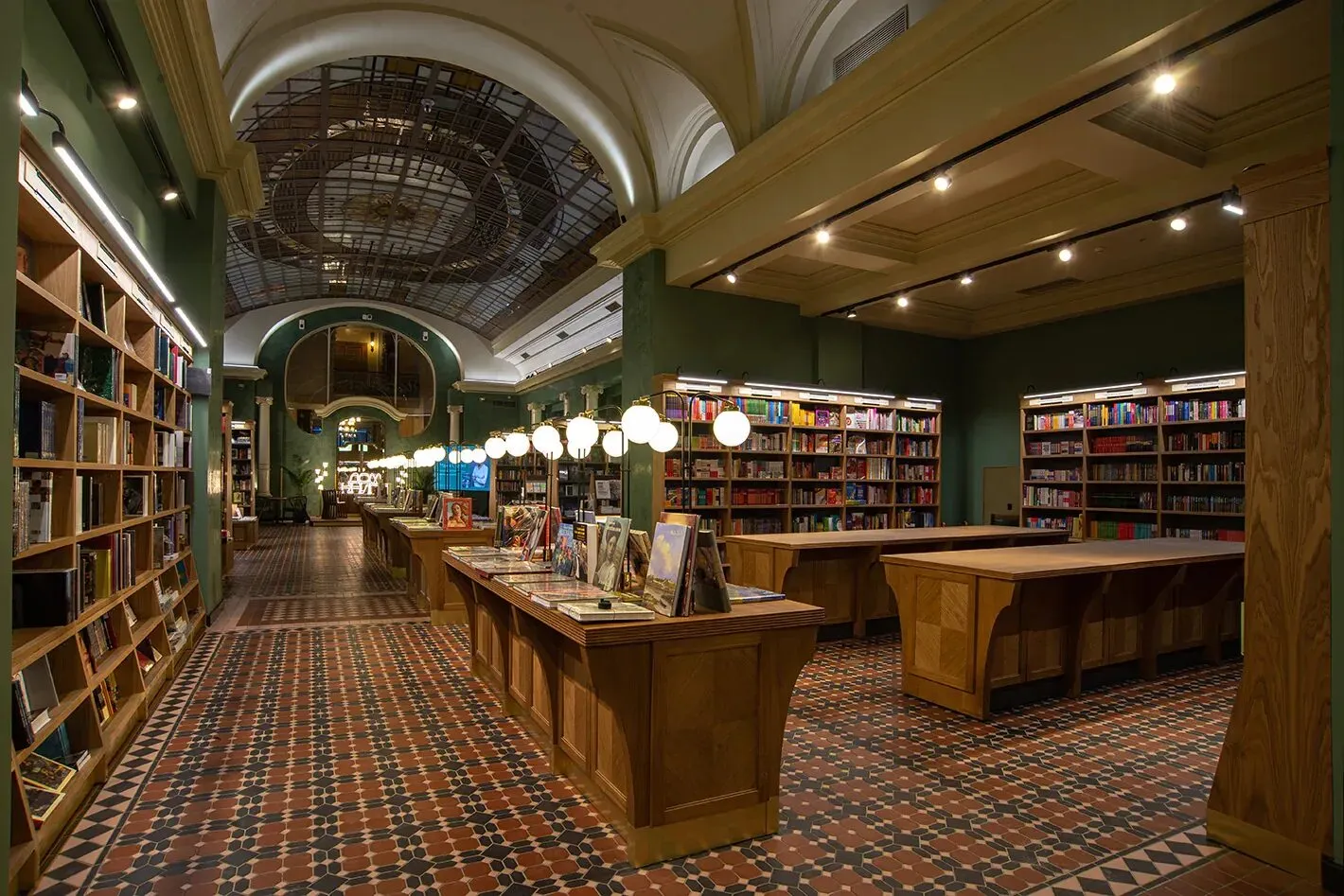
Throughout its historical course, its rooms housed the Embassy of the United States, publishing houses, and bank branches. Today, the palace comfortably divides its dependencies, housing the mythical bookstore House of the Book (Dom Knigi) on its lower floors and the technological headquarters of the Russian social network VKontakte on its upper levels. An engineering gem that summarizes the bourgeois splendor of the old empire.
Visiting Some of the Gardens of St. Petersburg
Our tour guides in St. Petersburg will give you all the details to visit some of the gardens alone or in their company.
Do not hesitate to ask us your questions, contact us.
Imperial Collective Connection Pathway
This chronicle of urban sophistication and master signature commercial palaces is part of our St. Petersburg historical knowledge network. If you wish to analyze in detail the journeys of Peter the Great or the siege that shaped the city, we invite you to explore our master chronicle: The History of St. Petersburg: From the Window to Europe to the Hero City.