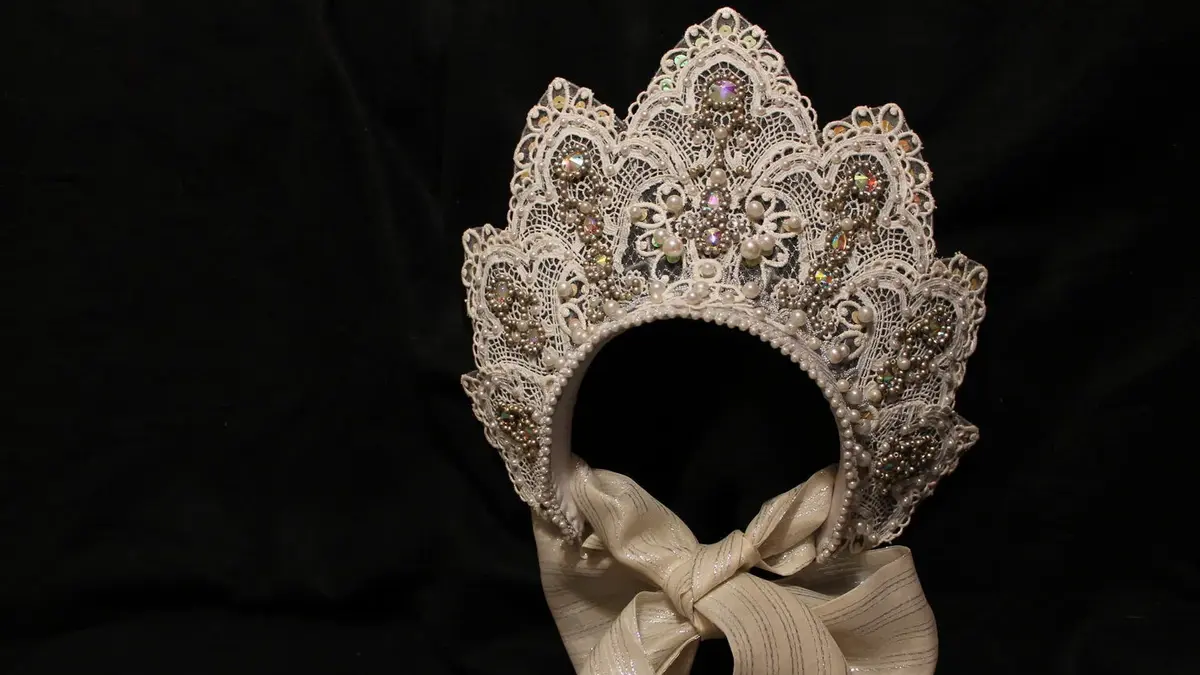
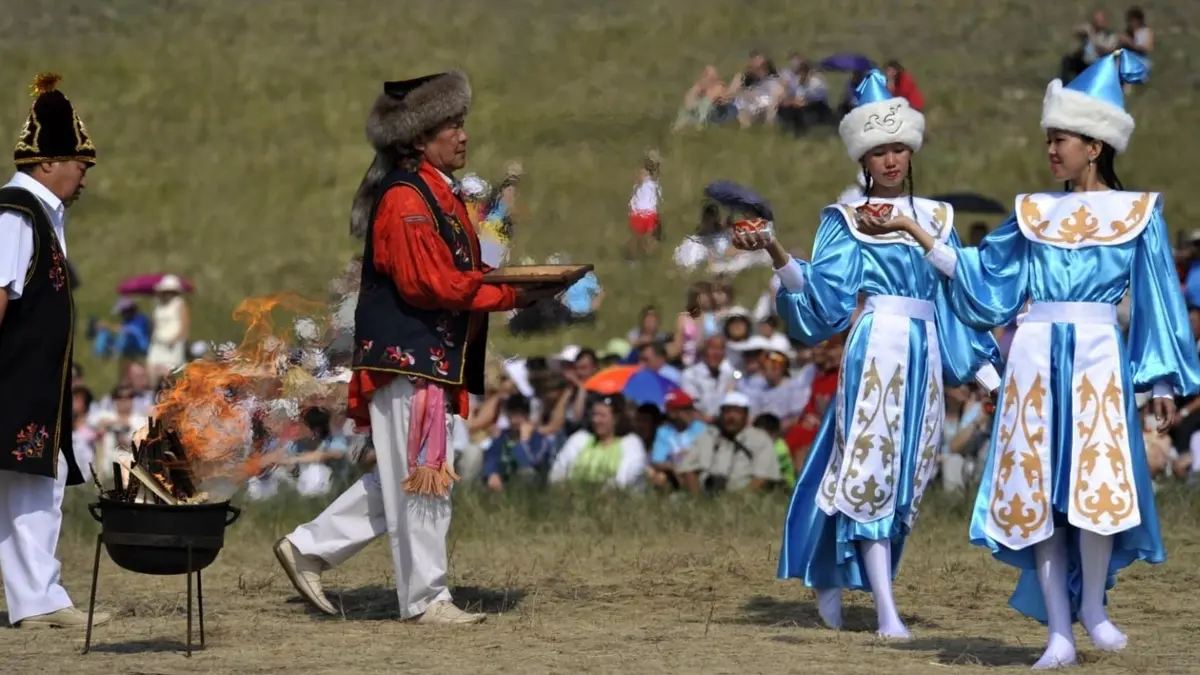
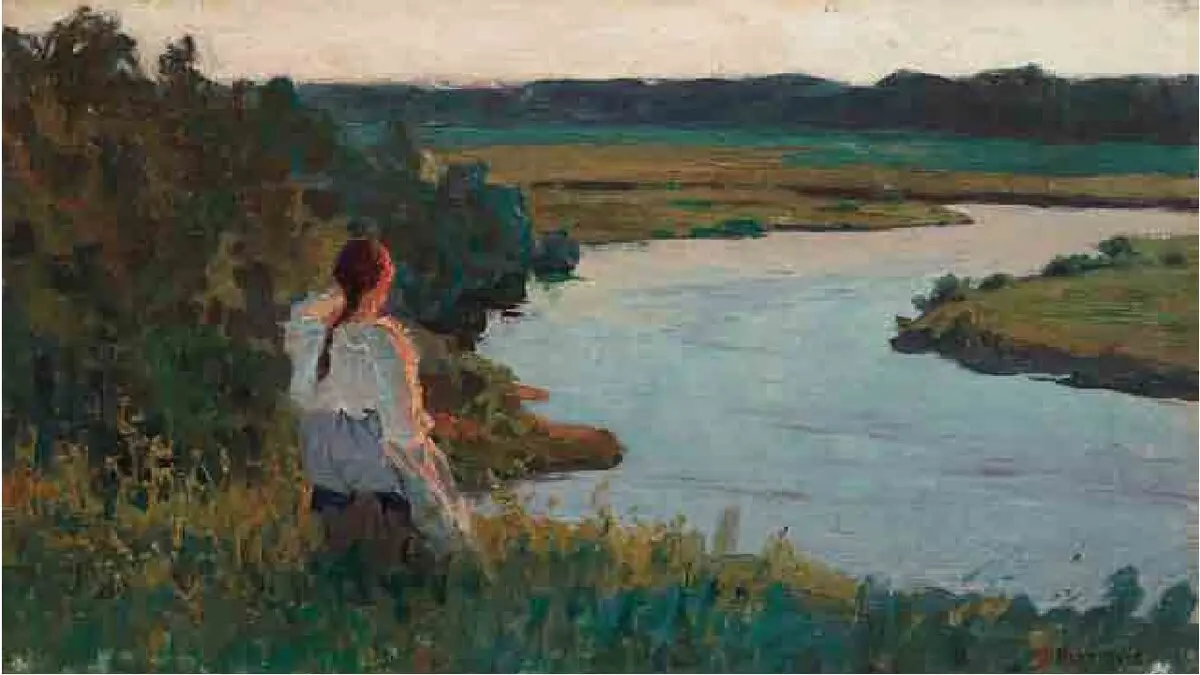
In the universal songbook, there are melodies capable of breaking down any language barrier, instantly becoming symbols of a whole nation’s identity. “Kalinka” is, without a doubt, the most famous, energetic, and hummed musical composition of Russian culture on a planetary scale. Its elastic rhythm, which starts as a melancholy whisper and accelerates dizzyingly until unleashing an absolute celebration, has engraved the iconic expression “Kalinka-Malinka” into the minds of millions of foreigners. However, behind this hymn of Slavic joy hides a history full of academic surprises and epic feats.
The Great Myth Debunked: Anonymous Folklore or Author’s Music?
For over a century, both within the cultural circles of the Soviet Union and in Western musical catalogs, “Kalinka” was erroneously classified as a traditional folk song of peasant origin and anonymous authorship. It was not until 2008 that a meticulous investigation based on official archive documents brought to light the real telemetry of the work, restoring historical credit to its legitimate creator.
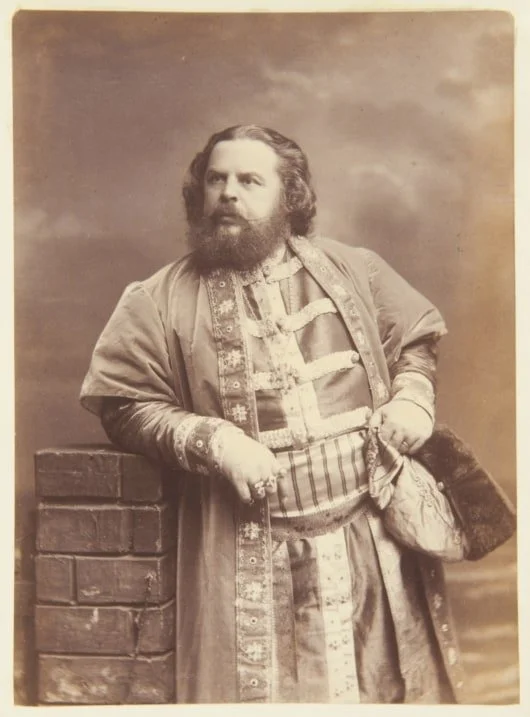
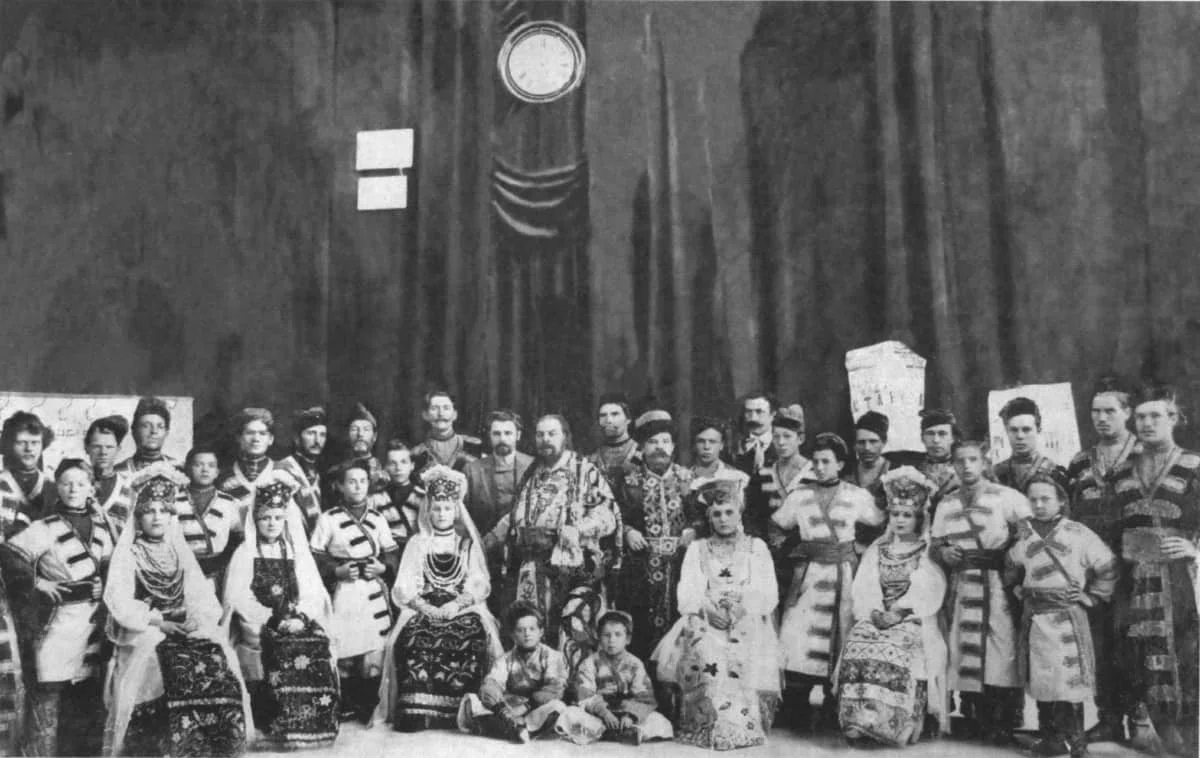
The song was composed in 1860 by the celebrated folklorist, musicologist, and choral director Ivan Petrovich Larionov in the provincial city of Saratov. Larionov originally designed the piece as part of the musical arrangements for an amateur theatrical play titled Bobyl. In that first performance, Larionov himself sang the track before the audience, winning the instant sympathy of the Saratov crowd thanks to the brilliant originality of its elastic beat.
The Conquest of the World: From Saratov to International Salons
The internationalization of this masterpiece was due to a deep relationship of friendship and patronage in boxes:
| Historical Year | Key Milestone in Musical Telemetry | Protagonists of the Change | Geographical and Cultural Impact |
|---|---|---|---|
| 1860 | Official composition of the theme in Saratov for the theatrical play Bobyl. | Ivan Petrovich Larionov. | Local premiere and birth of the original musical score. |
| 1868 | Inclusion of the song into the international gala repertoire. | Dmitry Agrenev-Slavyansky and his Slavic Capilla. | Massive tours across Europe and America; beginning of world fame. |
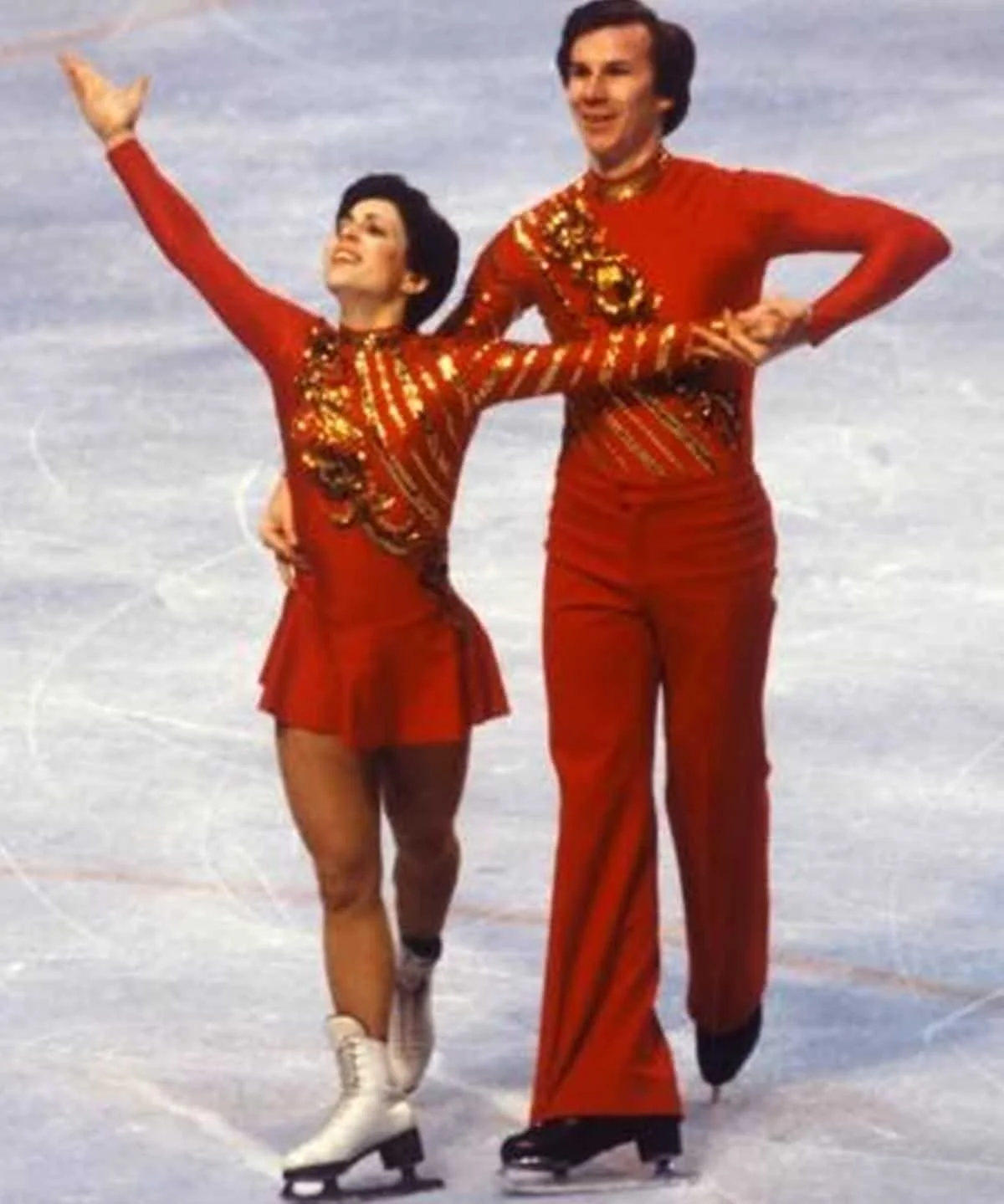
| 1973 | Olympic feat without music at the World Championships in Bratislava. | Figure skaters Irina Rodnina and Alexander Zaitsev. | Gold medal and consecration of the track as a hymn of Russian resilience. |
Subsequently, Larionov transferred the performance rights to his close friend Dmitry Alexandrovich Agrenev-Slavyansky, an aristocratic singer and collector of traditional music who was fascinated after hearing the melody during a journey passing through Saratov. Agrenev-Slavyansky incorporated the theme into the concerts of his celebrated Slavic Capilla Choir, founded in 1868, unleashing unanimous applause in major European and American capitals, and transforming a local melody into an eternal cultural phenomenon.
The Untranslatable Secret of the Lyrics and Botany
The meaning of the song is as simple as it is poetic: it is an ode to nature and an elastic metaphor about love and courtship. The word Kalinka refers to the guelder rose (a shrub with bitter red berries), while Malinka translates as raspberry (a sweet fruit). The wordplay describes the contrast of the Slavic soul: complex and severe at first, but sweet and devoted once you truly know it.
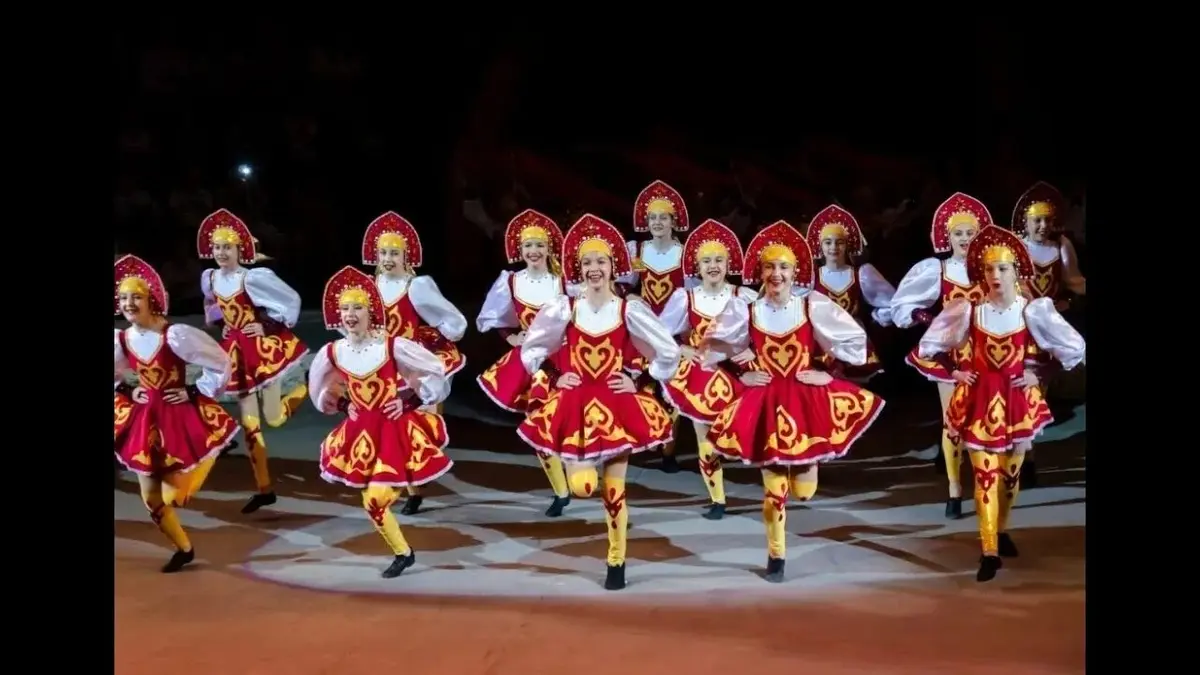
Attempting to translate the lyrics into Western languages has historically been a headache for philologists. When pouring the verses into English or French, the structure loses its mystique and sounds nonsensical.
The biggest enigma for foreign translators lies in the traditional chorus “Ai, lyuli, lyuli”, an ancient rhythmic interjection inherited from pagan Slavic folklore that lacks literal meaning, operating as a floating musical mantra destined to mark the rhythm of the dance.
The Unofficial Anthem of Sports: The Epic of Bratislava 1973
In contemporary Russia, the notes of “Kalinka” resound systematically during breaks in ice hockey and football matches, igniting the spirit of the stands and inspiring athletes. Its commercial magnetism is so powerful that fans of the London football club Chelsea FC adopted it for years as their unofficial anthem in the stands of Stamford Bridge.
However, the most moving and legendary passage of the song in sports history occurred at the World Figure Skating Championships in Bratislava in 1973. The Soviet pair composed of Irina Rodnina and Alexander Zaitsev were executing their gala program to the sound of an energetic version of “Kalinka” when, halfway through the choreography and due to a technical failure or sabotage in the arena’s public address system, the music stopped playing completely.
Faced with the sepulchral silence of the judges and the public, the Slavic skaters refused to stop. Demonstrating an insuperable mental strength and mathematical precision, Rodnina and Zaitsev continued nailing every jump, spin, and lift on the ice, keeping the accelerated beat of “Kalinka” memorized in their heads. The stands began to applaud in unison to mark the rhythm for them, and after a historic standing ovation, the judges unanimously awarded them the gold medal, turning that performance into the supreme symbol of the resilience and character of the Russian people.
Conclusion: The Mirror of the Slavic Spirit
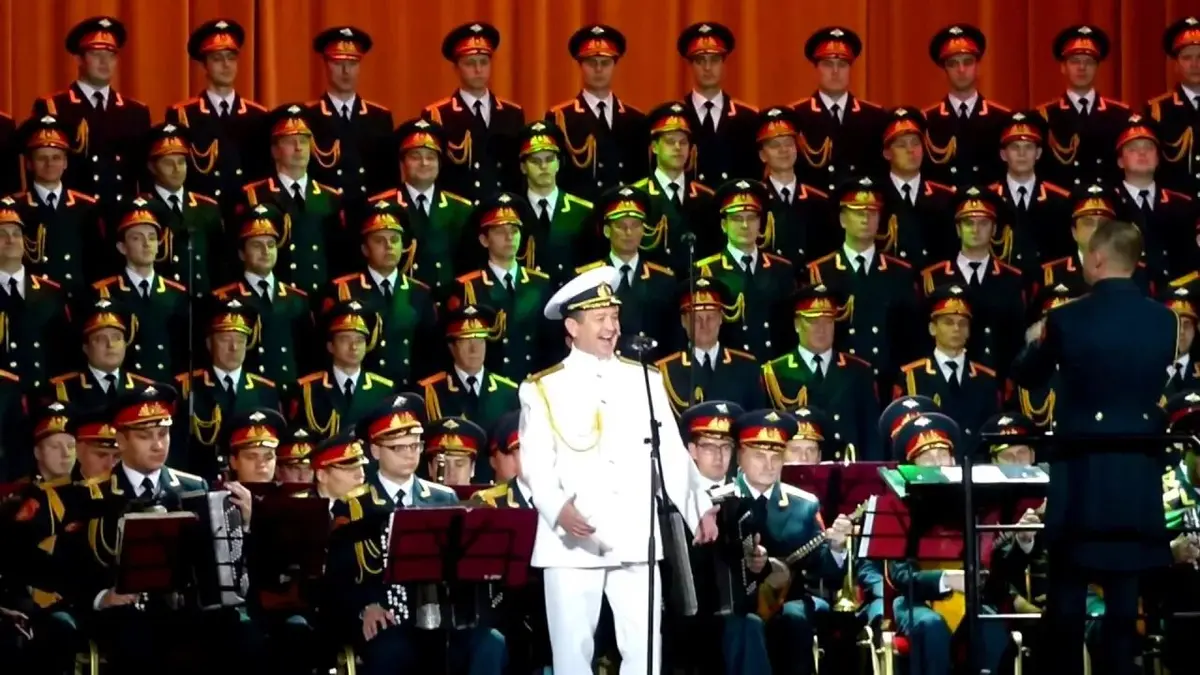
“Kalinka” remains alive because it is not a simple piece of mass entertainment; it is the clean reflection of a state of mind. In its accelerations and whispers, the duality of local psychology is concentrated: deep melancholy and boundless, overflowing joy. For the gourmet traveler visiting theaters or dining in stately restaurants in the capitals, listening to this melody performed live by a chorus of deep voices is a mystical experience that gives goosebumps and connects you directly to the heartbeat of the real Russia.
Imperial Cultural Connection Gateway
This chronicle of musical folklore and emotional telemetry is part of our local lifestyle knowledge network. If you wish to analyze in detail how these traditions dialogued with the history of the country or explore the exclusive cultural programs available during your stay, we invite you to explore our reference catalog: Places in Russia: The Definitive Imperial Chronicles Guide.
Do you wish to enjoy the most exclusive folklore shows in the capitals, reserve private boxes at the best musical performances in Moscow and St. Petersburg, and experience the culture of the Czars with total VIP comfort? We manage every detail in boxes. Contact our operations department directly or explore our select Private Moscow Tours Catalog.