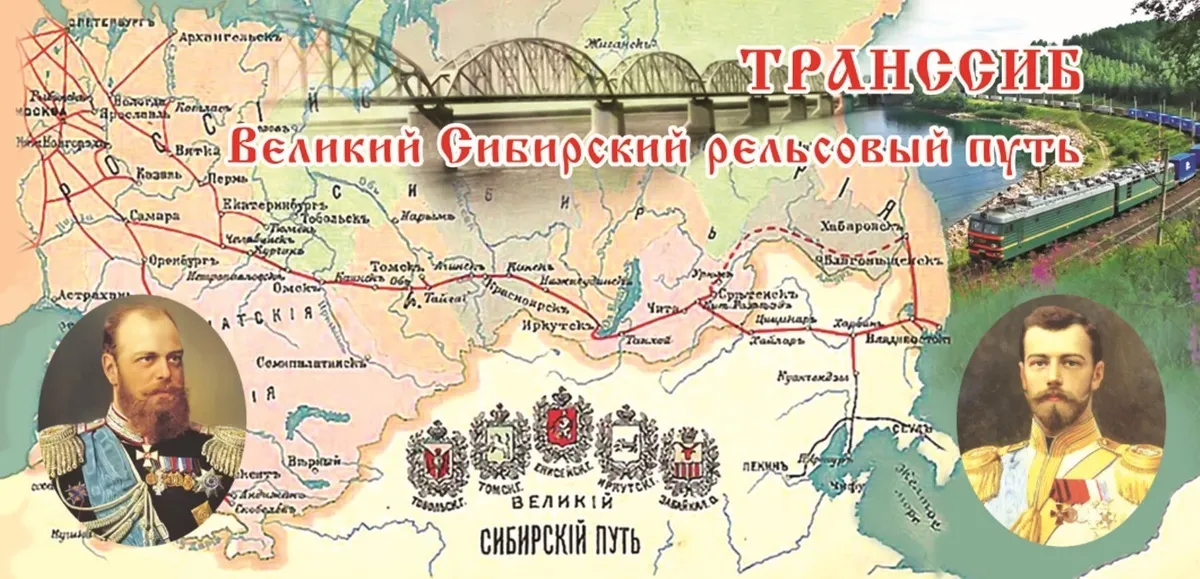
One of the most colossal masterpieces of Russia and of all humanity was inaugurated: the legendary Trans-Siberian Railway, firmly consolidating itself as the longest and most ambitious train route ever traced in the history of world civilization.
Reference Data in Numbers: The Figures of the Steel Giant
To understand the real magnitude of this feat of Slavic engineering, it is mandatory to analyze its fundamental mathematical records:
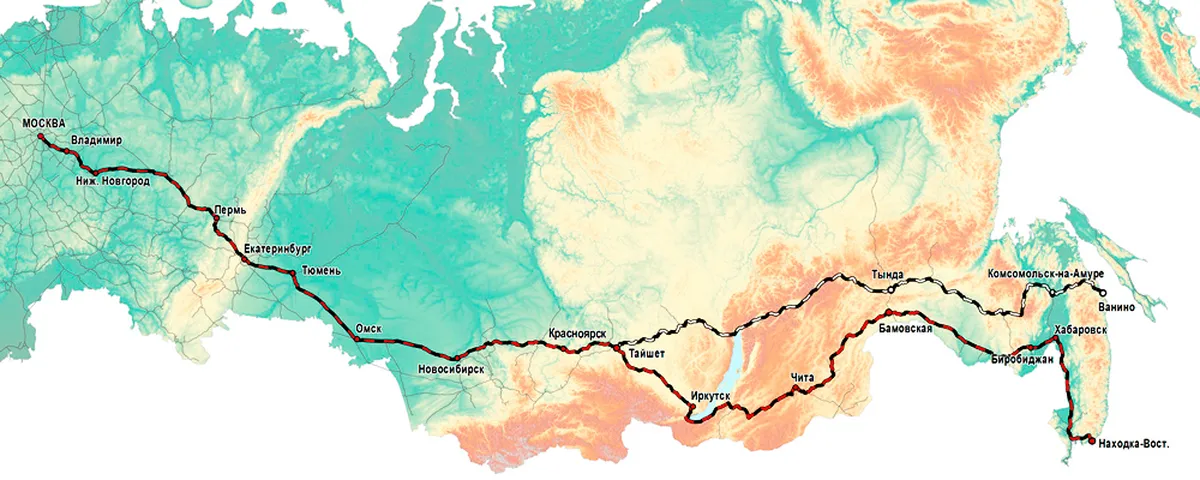
- Continental Connection: The Trans-Siberian Railway (or the Great Siberian Route) is an immense railway line that connects Moscow (following the historic southern route) and St. Petersburg (in its northern route variant) with the largest and most dynamic industrial cities of Eastern Siberia and the Russian Far East.
- The Record Length: The total extension of the track strictly reaches 9,298.2 kilometers, which grants it the undisputed title of the longest continuous double-track railway in the world.
- The Highest Point: The highest stretch of the entire route is located in the majestic Yablonovy Pass, rising to about 1,019 meters above sea level.
- Total Electrification: Due to the enormous complexity of the terrains, it was not until 2002 when authorities managed to complete the total electrification of the wiring deployment.
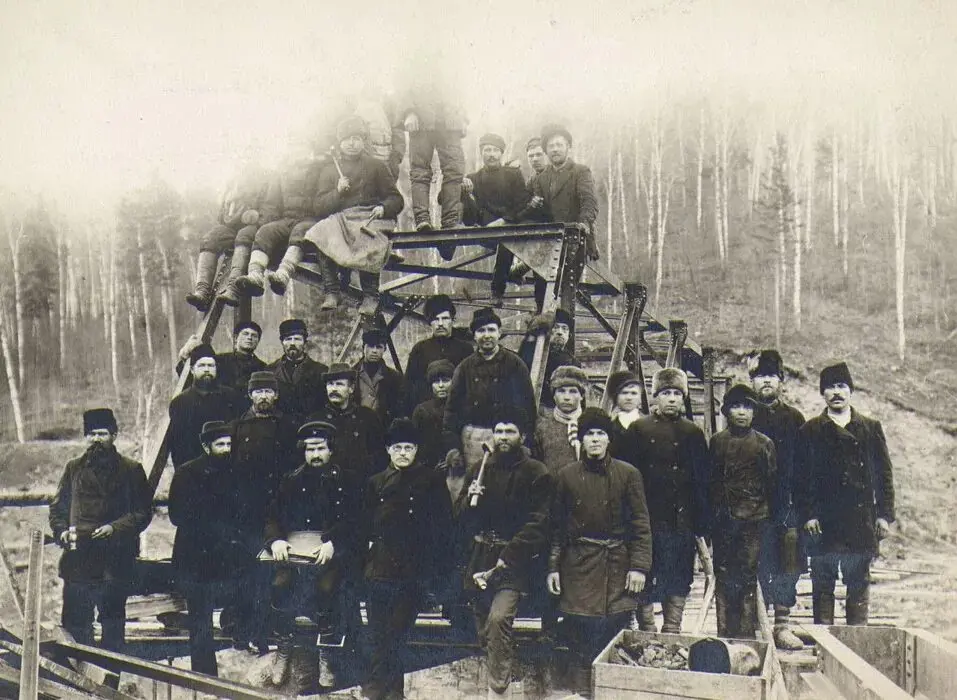
- The Historic Stretch: From a strictly documentary perspective, the original Trans-Siberian covers the eastern section extending from the city of Miass (in the Southern Urals, Chelyabinsk region) to the docks of Vladivostok. This stretch of about 7,000 kilometers in length was built in record time between 1891 and 1916.
- Strategic Commercial Axis: The network unifies the western, northern, and southern ports of Russia, linking railway exits to Europe (St. Petersburg, Murmansk, Novorossiysk) with the strategic ports of the Pacific Ocean and accesses to Asia (Vladivostok, Nakhodka, Zabaikalsk) on the other side of the borders.
- Guinness World Record: Due to its three crowning characteristics (total length, number of operational stations, and construction speed), the Trans-Siberian is inscribed in the celebrated Guinness Book of World Records as the largest fully electrified double-track line on the planet.
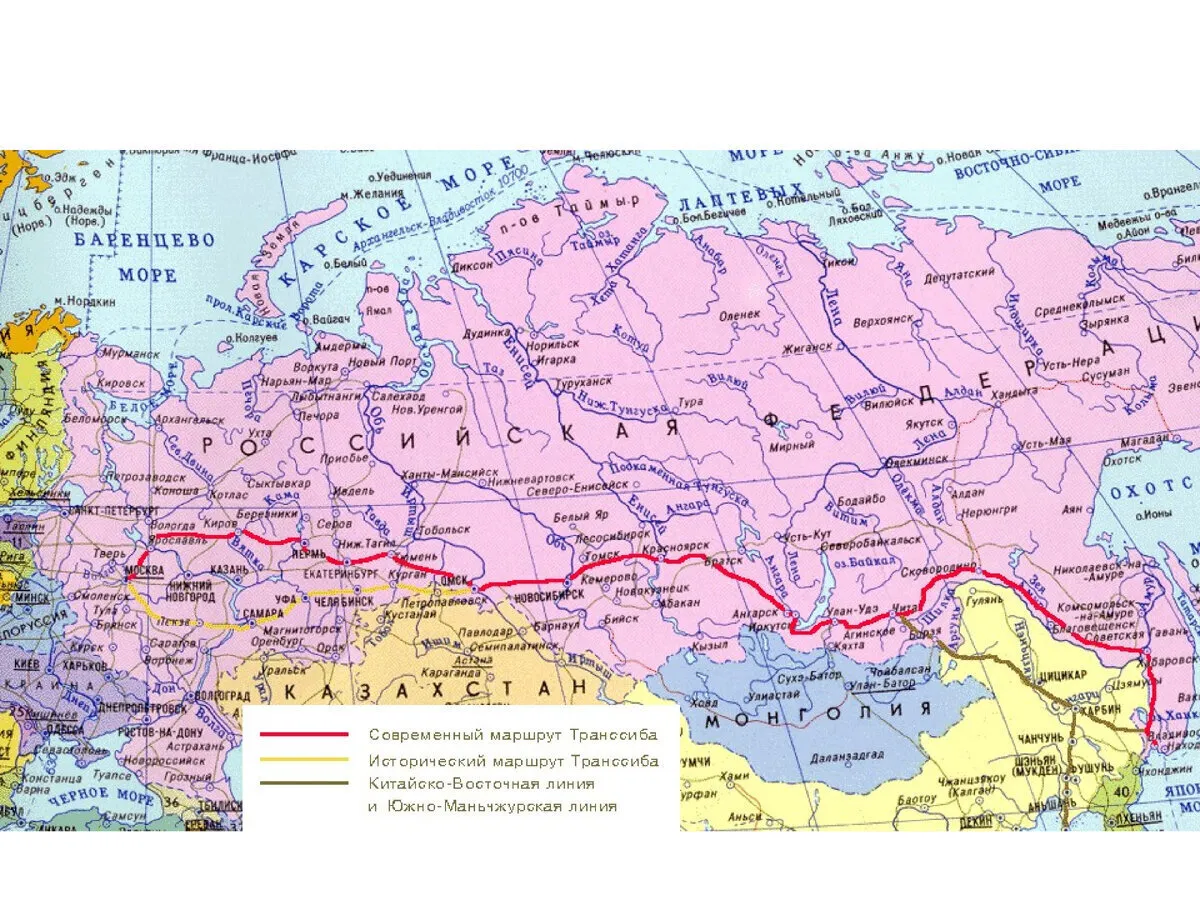
Every day, the Trans-Siberian demonstrates an astonishing logistical capacity: the master route baptized as Rossiya fluidly transports more than 100 million tons of annual cargo from Moscow’s Yaroslavsky station to Vladivostok. Up to 80 pairs of trains transit its tracks daily; in certain complex stretches, formations circulate at intervals so short that they emulate the operation of a metro system, Russia being the only country in the world capable of sustaining such surface transport potential.
Emperors and Engineers: The Vision of Alexander III and Nicholas II
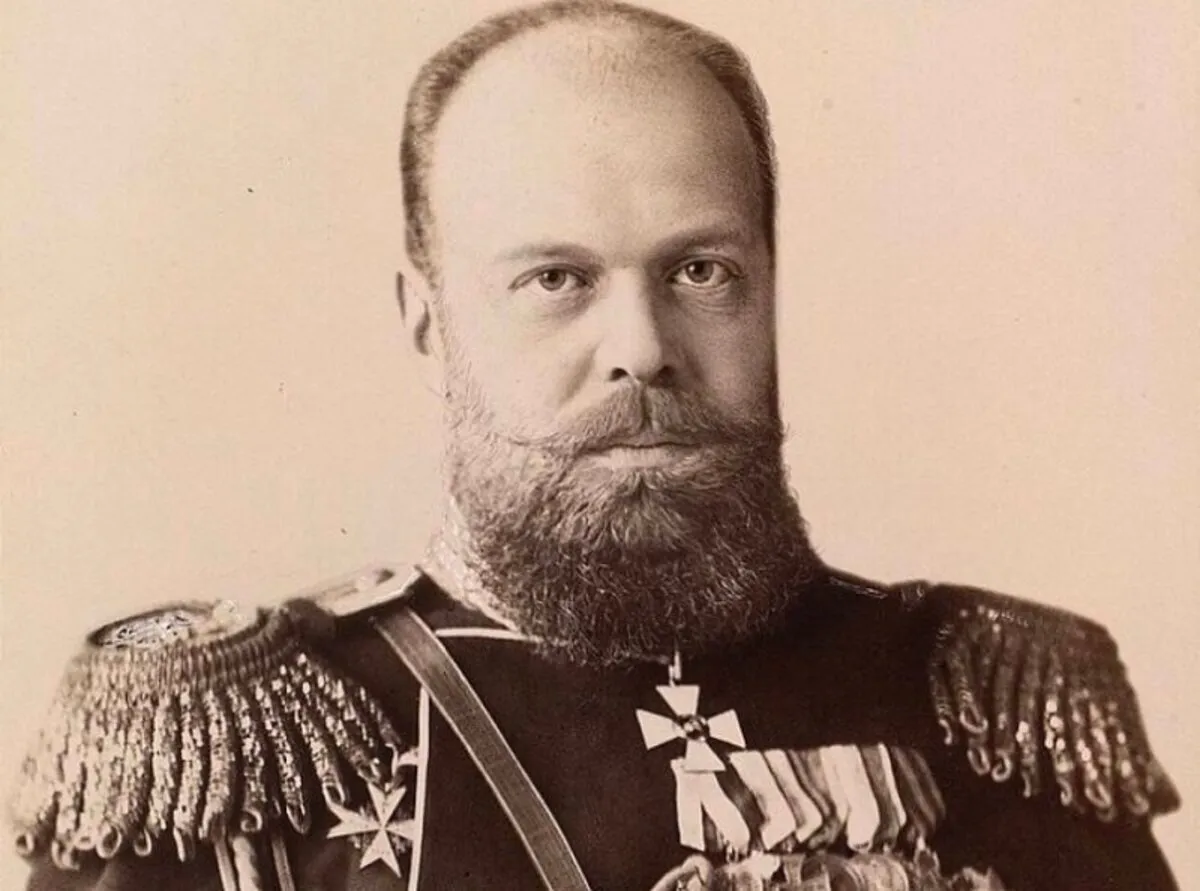
Upon promulgating the official decree for the construction of the railway track, the Russian Emperor Alexander III had the firm resolution to provide the State and the international landscape with an infrastructure of extreme, historical weight and an irreplaceable strategic value for the Empire. This vision was minutely captured in his administrative order:
"I order to begin constructing a railway across Siberia, which aims to connect the abundant gifts of nature of the Siberian areas with a network of internal railway communications. I entrust the commission in Vladivostok with granting permission for construction, at the expense of the treasury and by direct order of the government, the Ussuriysk section of the Great Siberian Railway."
— Alexander III
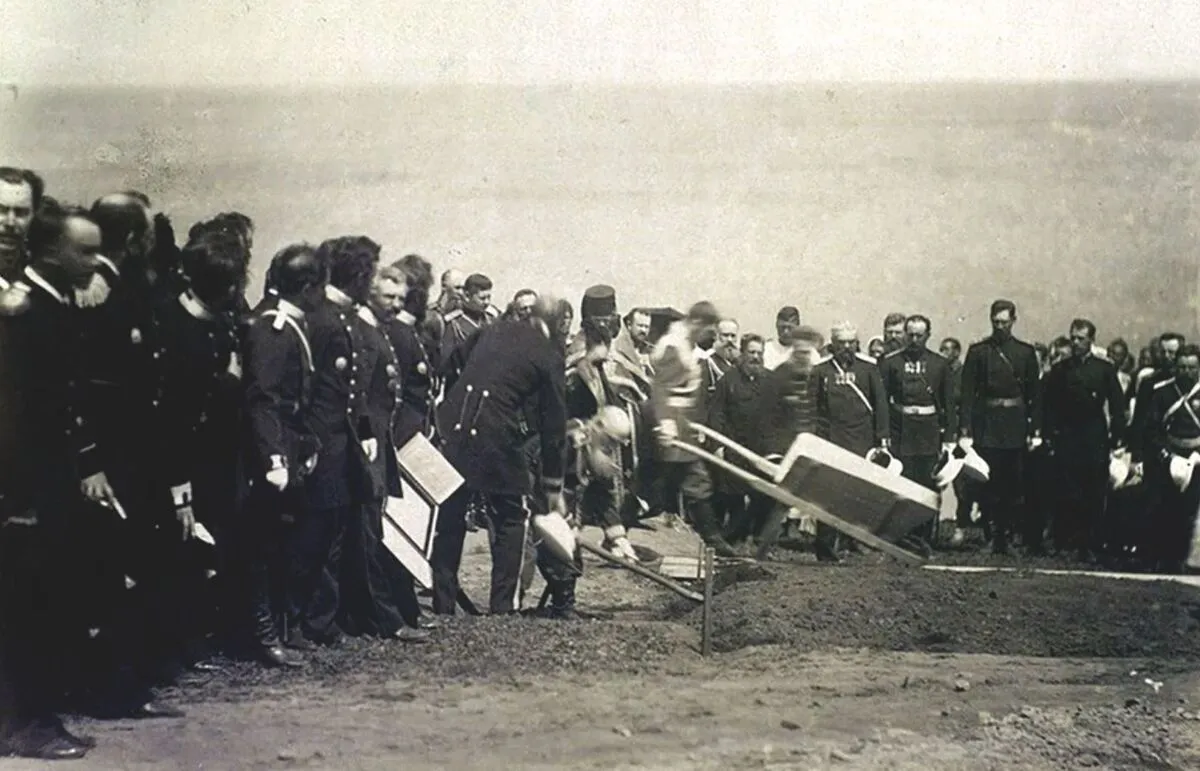
The future Emperor Nicholas II took charge of faithfully fulfilling his progenitor’s instructions. On May 19, 1891, the solemn inauguration ceremony of the works was celebrated in Vladivostok, where the Tsesarevich himself personally carried the first wheelbarrow of ballast to lay the track and placed the first stone of the future terminal, sealing the act with a commemorative silver plaque forged in St. Petersburg.
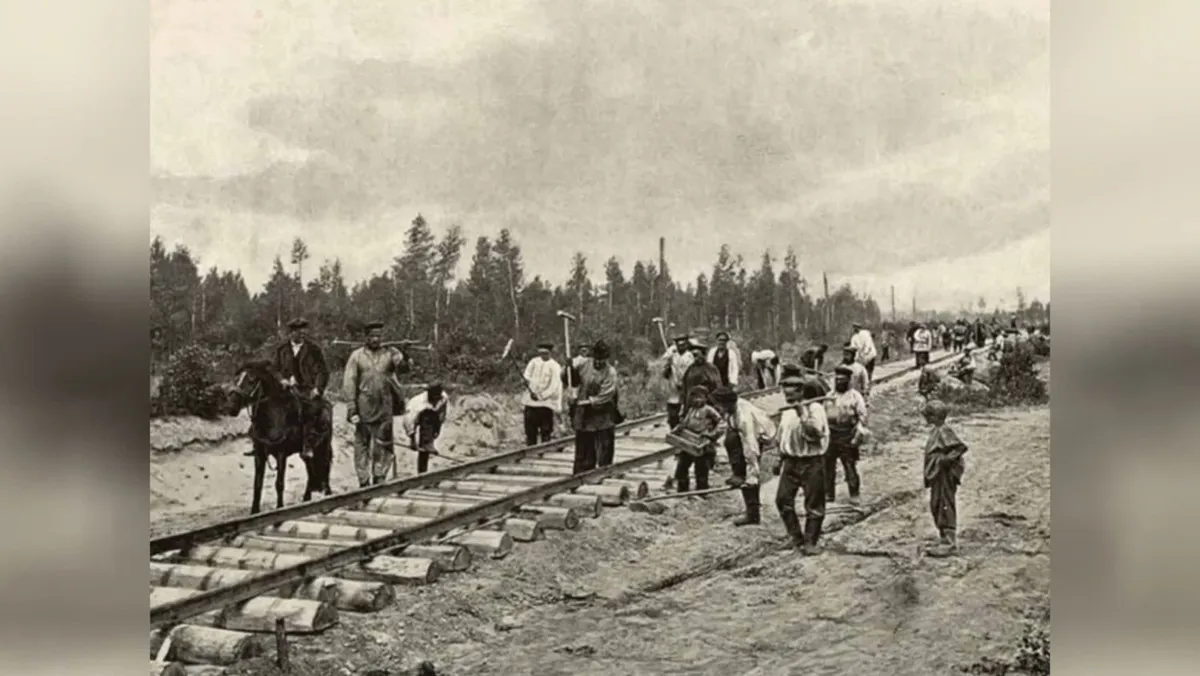
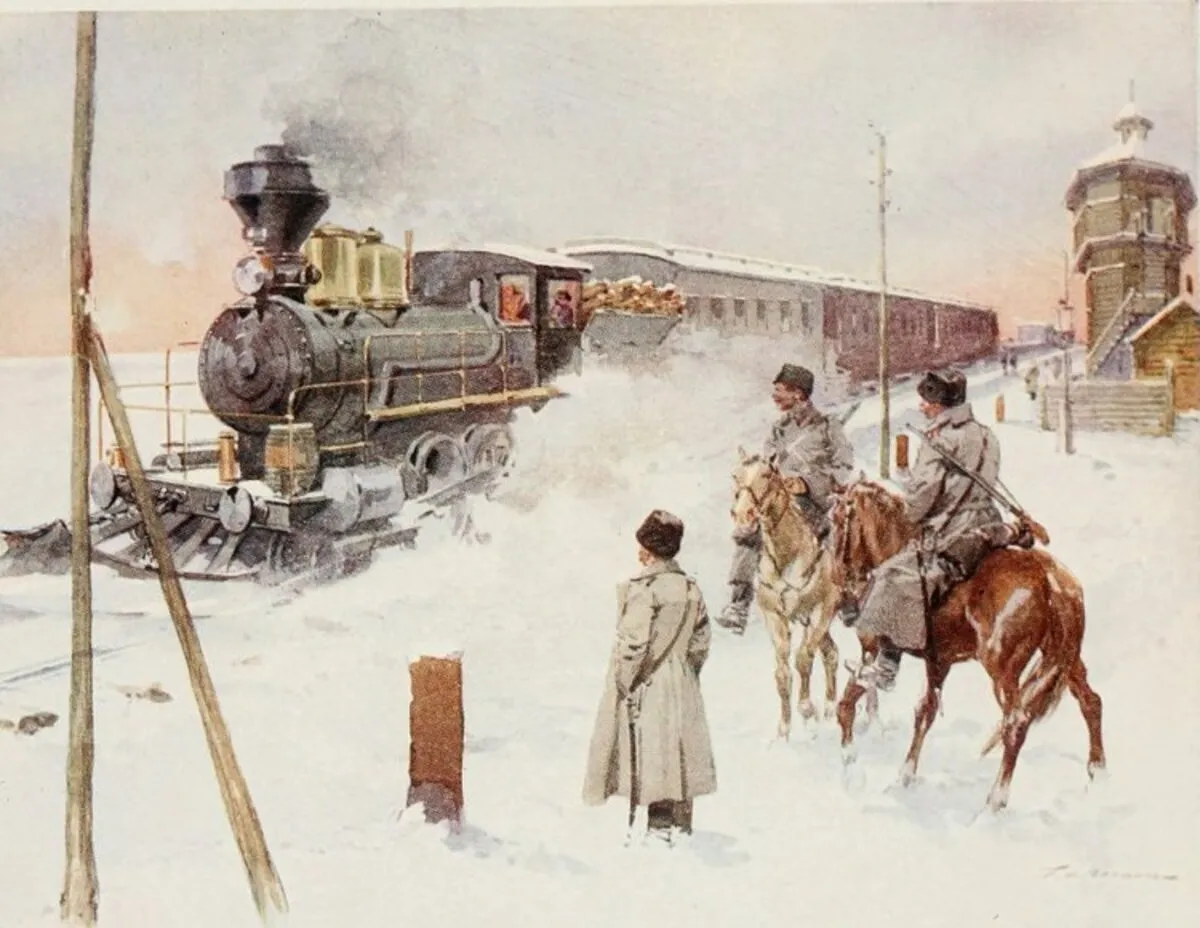
According to historical diaries, on October 21, 1901, the Great Railway entered partial operation, initiating the regular transport of postal correspondence, merchandise, and passengers immediateley. Although commercial traffic flowed from 1901, the definitive completion of the entire network took place on October 5, 1916, when the monumental bridge crossing the waters of the Amur River was put into operation.
This historic milestone finally guaranteed direct passenger traffic from end to end, linking Moscow with Vladivostok without the need for river transfers, managing to complete the project in its entirety just one year before the fall of the Romanov monarchy, amidst the severe economic difficulties derived from the First World War.
The Feat of Engineering in the Permafrost
The speed of execution of the works—with a track-laying average of 700 kilometers per year—far exceeded the records contemporaneously established in railway projects in the United States and Canada. Because the itinerary was traced crossing uninhabited deserts, massive swamps, and the dense Siberian taiga, the main premise of the engineers was the smart saving of resources without sacrificing structural resistance.
Russian scientists became the first in human history to build tunnels and embankments on permafrost (perpetual ice) soils, designing an innovative thermal insulation layer placed between the frozen rock and concrete to prevent the hydration heat from melting the subsoil, which would have caused the collapse of the vaults. Likewise, 87 large locomotive depot stations were raised, more than 1,800 intermediate stops, and nearly 11,000 complex engineering structures spanning iron bridges and culverts. As an artistic crowning touch, the Slyudyanka station, located on the shores of the languid Lake Baikal, was exclusively built using pure marble blocks, being the only terminal of its kind in the world.
Famous Stretches of the Eurasian Route
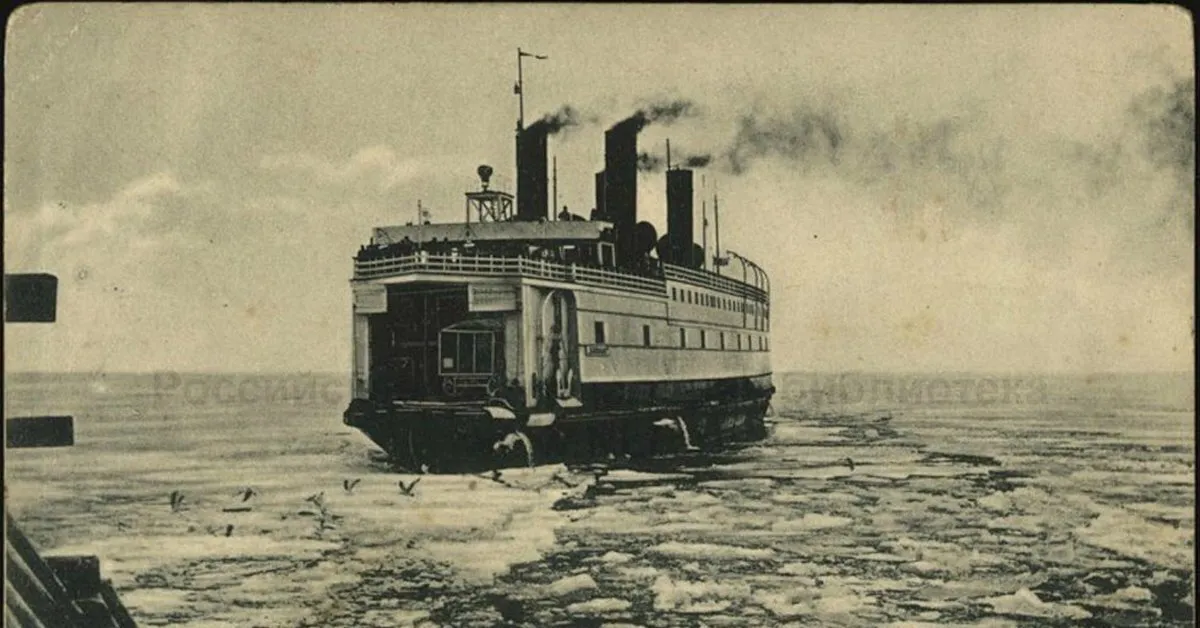
- The Baikal Ferry Crossing: Originally conceived as a temporary contingency measure, it consisted of an enormous icebreaking ferry that transported entire train cars from one side of Lake Baikal to the other, guaranteeing the continuity of railway traffic while engineers finalized the dangerous dynamic blastings of the adjoining land section.
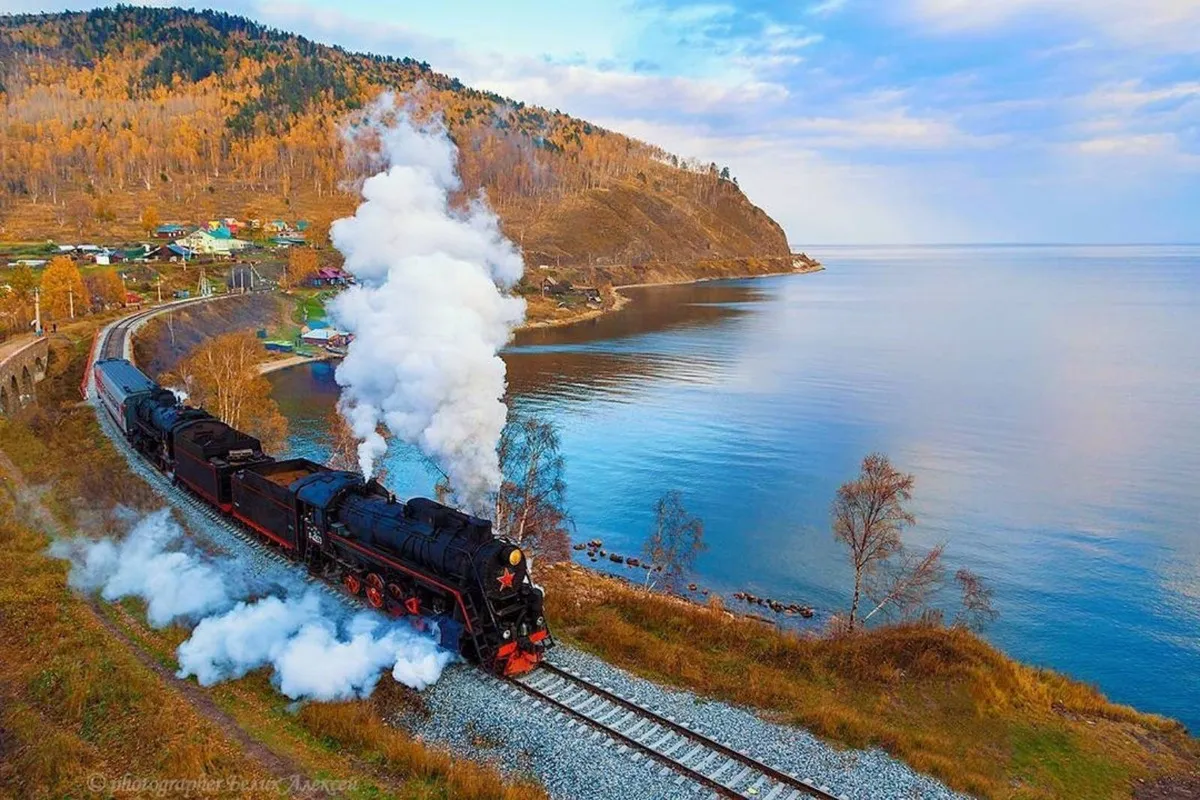
- The Circum-Baikal Line: Popularly baptized as the "Golden Buckle of Russia’s Steel Belt," this coastal stretch was built under weather and geographical conditions of extreme difficulty between 1899 and 1905, requiring drilling dozens of consecutive tunnels into the rock cliffs bordering the lake.
- The Manchurian Overseas Branch: Following the signing of a secret collaboration treaty with China in 1896, Russia obtained the 80-year lease concession of a strip of land to trace the Trans-Manchurian Railway, which substantially reduced the journey kilometers toward the Pacific and protected the geoeconomic interests of the Empire in Asia.
Undertaking the journey on the Trans-Siberian Railway will allow you to directly contemplate, from the window of your private compartment, the elastic immensity of Russian geography. The train snakes through boreal forests, infinite plains, and large cities that went from being small agricultural settlements to becoming majestic megalopolises, such as Perm, Yekaterinburg, Omsk, Novosibirsk, Irkutsk, and Khabarovsk. It is, in its greatest expression, an imperishable milestone of human civilization.
Do you wish to live the experience of crossing the Eurasian continent aboard the mythical Rossiya train with the peace of mind of a perfectly coordinated itinerary and gala transfers at the stations? Let us shield your adventure. Contact our international travel advisors and let us design your great Trans-Siberian expedition.