In this chronicle, we will reveal with total historical rigor how the magical Celebration of New Year and Christmas developed in 19th-century Russia. We will delve into an era filled with sumptuousness, mysticism, and intricate social patterns that laid the foundations for contemporary celebrations.
How Many Days Do Russian Winter Holidays Last?
In Russia, vacations associated with the change of the annual cycle span an extraordinarily generous period of time; a pattern of rest and festivities deeply rooted in the national identity. During the course of the 19th century, the most solemn days of the year’s end were structured and celebrated following this strict chronological order:
- Christmas Eve: Celebrated on December 24 according to the dictates of the Julian calendar (which equates exactly to January 6 in the modern Western Gregorian calendar).
- Orthodox Christmas: Solemnly commemorated on December 25 (January 7 in the international calendar).
- Civil New Year: Celebrated on January 1 (January 14 according to the physiognomy of the Gregorian calendar).
- The Baptism of the Lord (Epiphany): Celebrated with great mysticism on January 6 (January 19), closing the winter cycle.
From a strictly legal and administrative perspective of the Tsarist era, the State only decreed four days as official public holidays; however, in daily practice, the Russian people extended the celebrations into a vibrant continuum of almost two weeks in duration.
Chronicle of the Festivities: Between Devotion and Aristocratic Salons
In 19th-century society, ecclesiastical expressions and secular customs remained closely linked. During Christmas Eve, homes were flooded with the liturgical singing of traditional carols and reciprocal exchanges of gifts, giving way the following morning to solemn religious services in the grand cathedrals. Upon the conclusion of the services, the mandatory social pattern consisted of making courtesy visits to relatives and close friends, ensuring that in a single day guests passed through multiple residences, tasting the complex Christmas delicacies of each home.
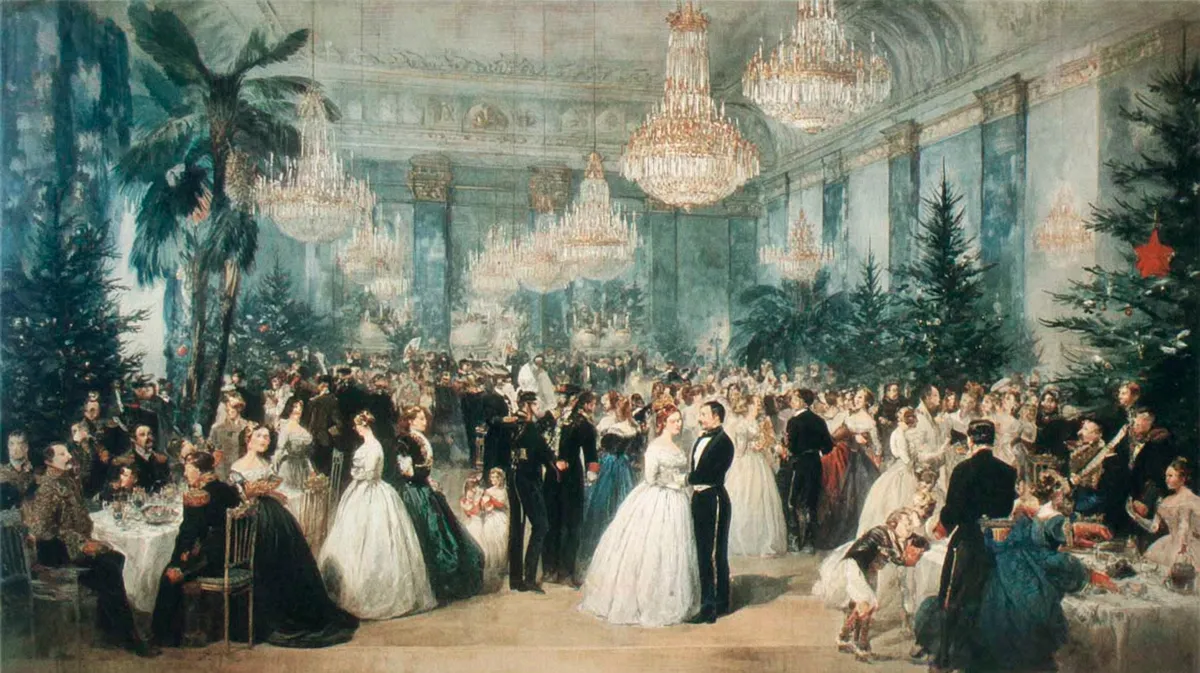
During the course of these weeks, noble dynasties and wealthy merchant families organized imperial banquets, majestic masquerade balls, and luxurious dinners in the most select and expensive restaurants in the capitals.
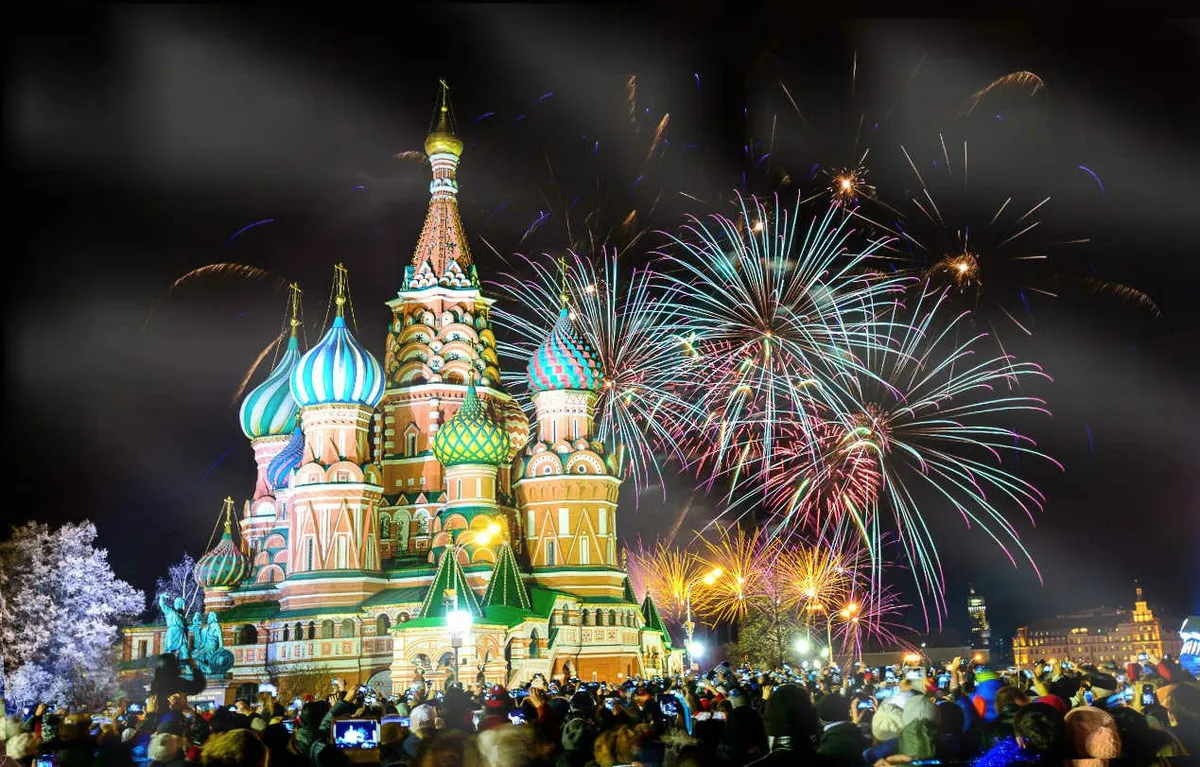
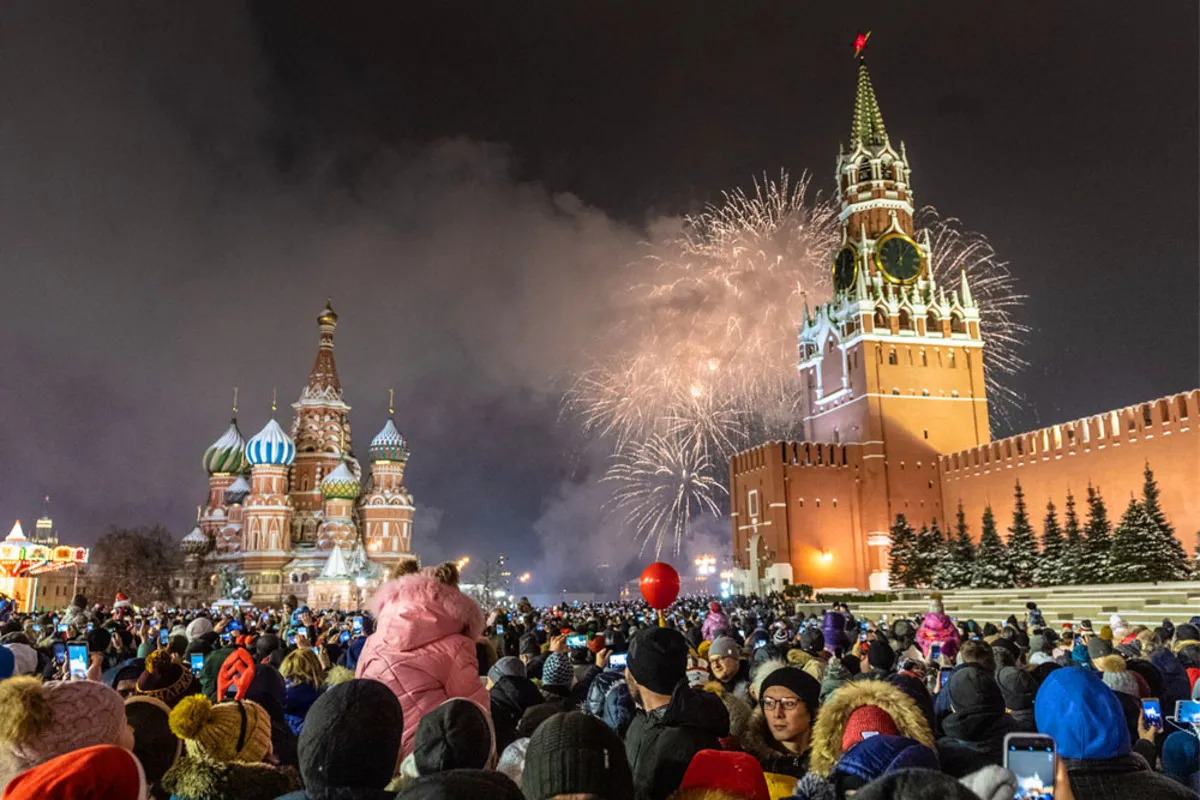
In contrast, the working classes turned out with enthusiasm to public squares and urban parks to slide at great speed on sleds and ride colossal ice slides built with wood and frozen blocks from the rivers. In Moscow, coinciding with New Year’s midnight, the sky was brilliantly illuminated with the launching of fireworks from the emblematic Sparrow Hills.
The Art of Postcards and the Appearance of the Christmas Tree
Towards the final bars of the 19th century, the irruption of illustrated Christmas cards acquired an immense social relevance in the Empire. The population loved to send these artistic missives not only to relatives residing in remote provinces, but to the neighbors of the neighborhood itself. An obsessive zeal was paid to the writing of the text, striving to calligraph the congratulations in the most beautiful and eloquent way possible. Such was the weight of this custom that the publishing sector began to publish manuals and specific guides with stylistic recommendations on how to ideally congratulate relatives, hierarchical superiors, or business partners.
A highly curious cultural detail is that, until the mid-19th century, Christmas trees were not placed in Russian homes. This tradition of Germanic roots began to spread through the territory gradually only from the 1840s onwards. While the ornamented tree quickly consolidated itself as an essential emblem in the salons of the nobles and bourgeois of Moscow and St. Petersburg, the peasant population of rural villages did not assimilate the custom of installing them in their cabins until the mid-1930s.
The Opulence of the Slavic Christmas Table
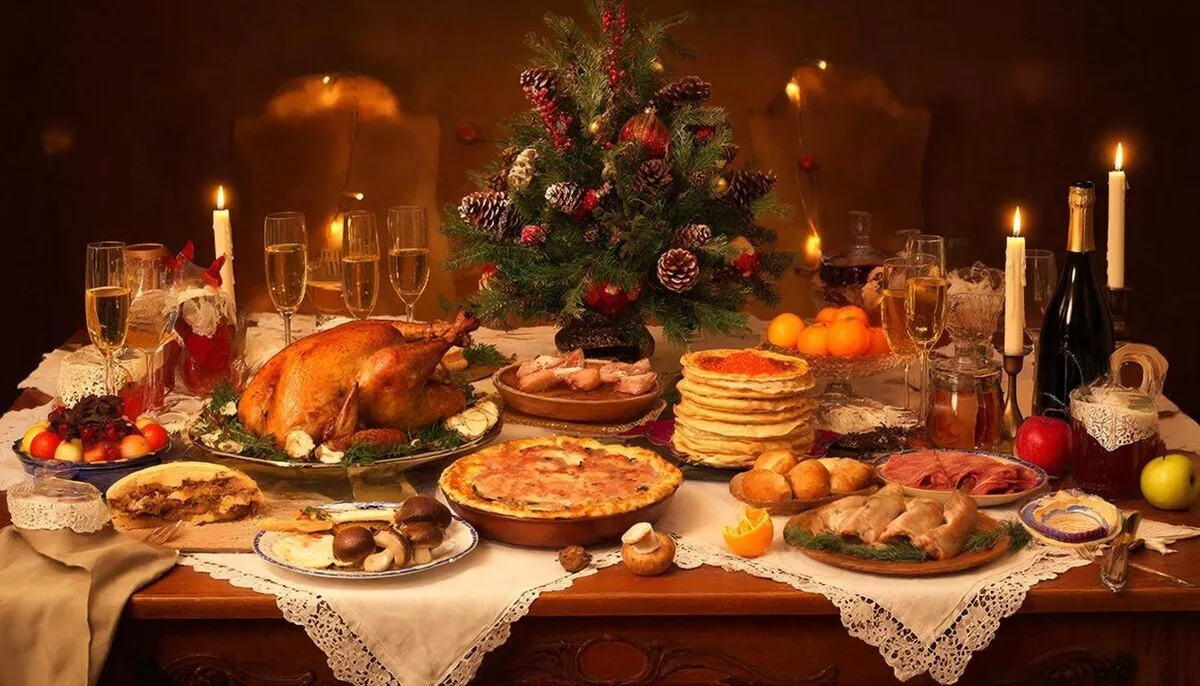
Logistical preparations destined to make Christmas dinner started many days in advance. On the eve of Christmas Eve, kitchens were consecrated to stuffing piglets and poultry with apples and grains, and to baking gingerbread cookies artistically shaped like cows or goats.
It was also in this cycle of the 19th century when the winter fruit par excellence of Russia made its appearance on the tables: tangerines, an exotic imported product that consolidated an aroma that, to this day, instantly evokes the New Year in the mind of any Russian citizen.
Would you like to experience the magic of the Russian winter and tour the illuminated avenues of Moscow with the comfort and exclusivity of an itinerary designed to your measure? We take care of coordinating your festive days. Consult your doubts with our team of native guides or discover the palaces by exploring our Private Tours Catalog.