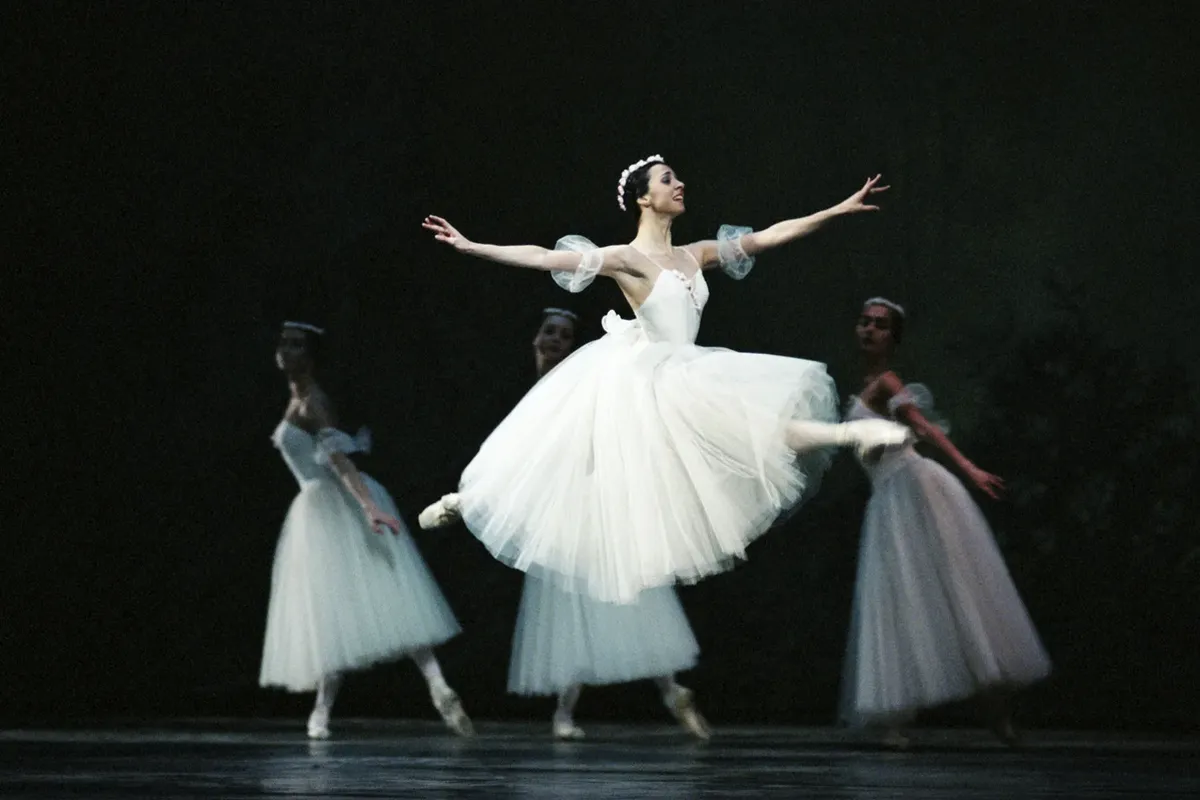
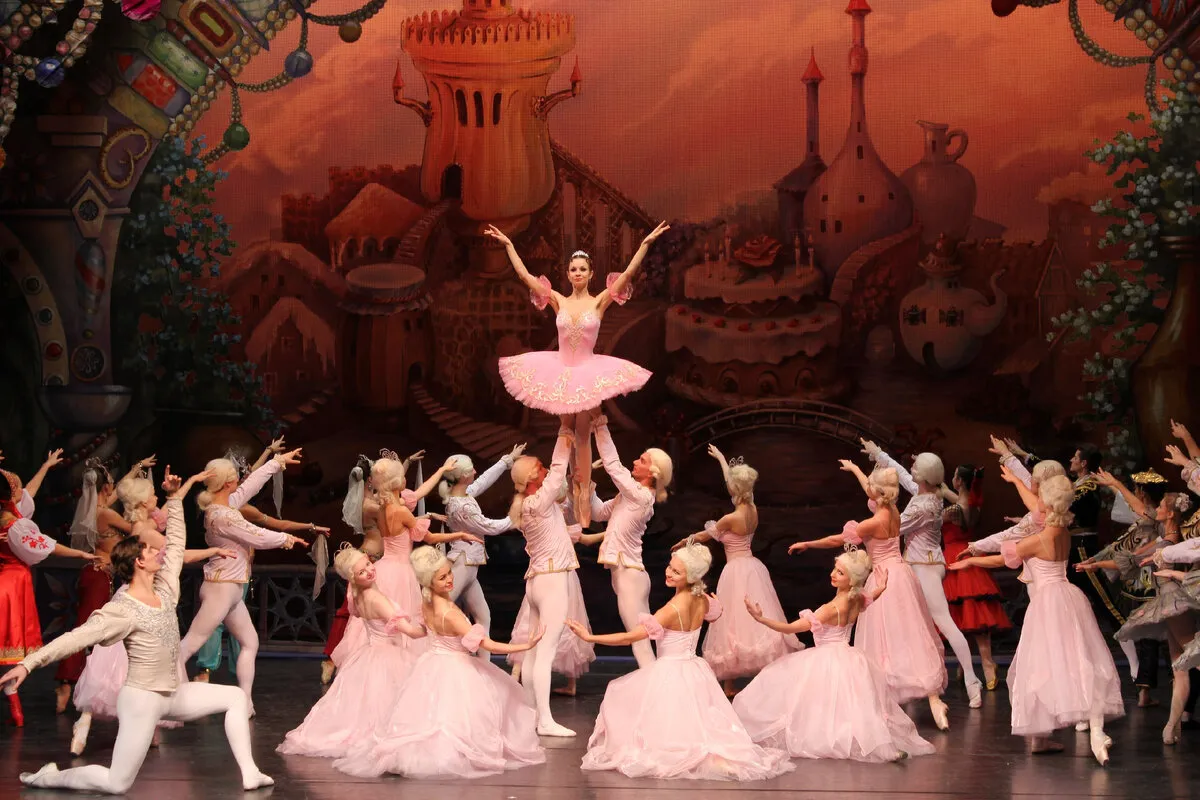
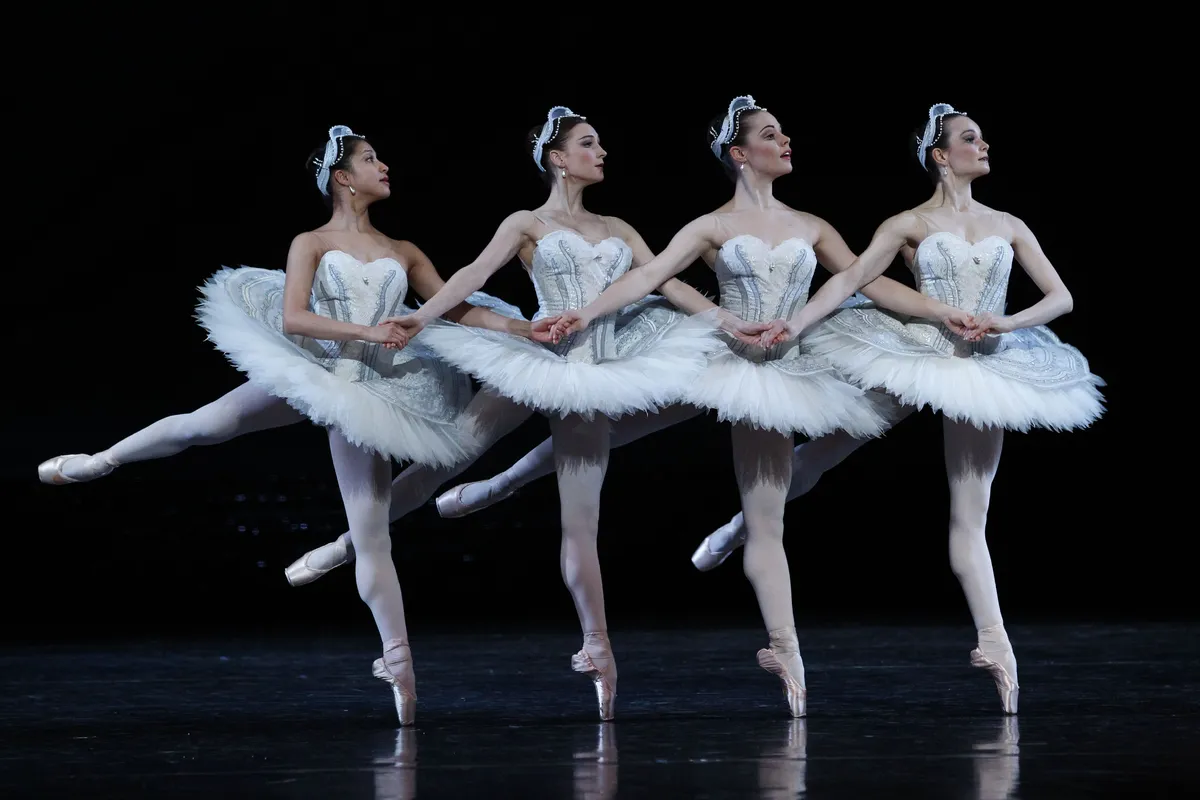
What life is truly like behind the scenes of ballet; we venture into an expanded universe filled with iron discipline, millimetric movements, and secrets that rarely escape the stage. For the spectator comfortably seated in the stalls, the performance unfolds as an act of divine grace and celestial lightness; however, behind the curtain lies a physical and institutional reality that astonishes by its technical rigor.
Did you know that up to 20 different groups of dancers rehearse in parallel for a single production, that there are people specially hired in the hallway dedicated exclusively to shouting "bravo" at the ideal acoustic moment, and that the artists themselves can lose up to three kilograms of weight during the course of a single performance? Get to know thoroughly the complexities of life behind the scenes of Russian ballet.
20 "Teams" in Reserve for a Single Performance
Top soloists in classical ballet (the premières ballerinas and principal star dancers) permanently count on official understudies ready to join the scene at any second if an unexpected injury occurs or any impediment of force majeure arises. This shielding policy is not exclusively limited to the main figures; it strictly covers the entire solo group.
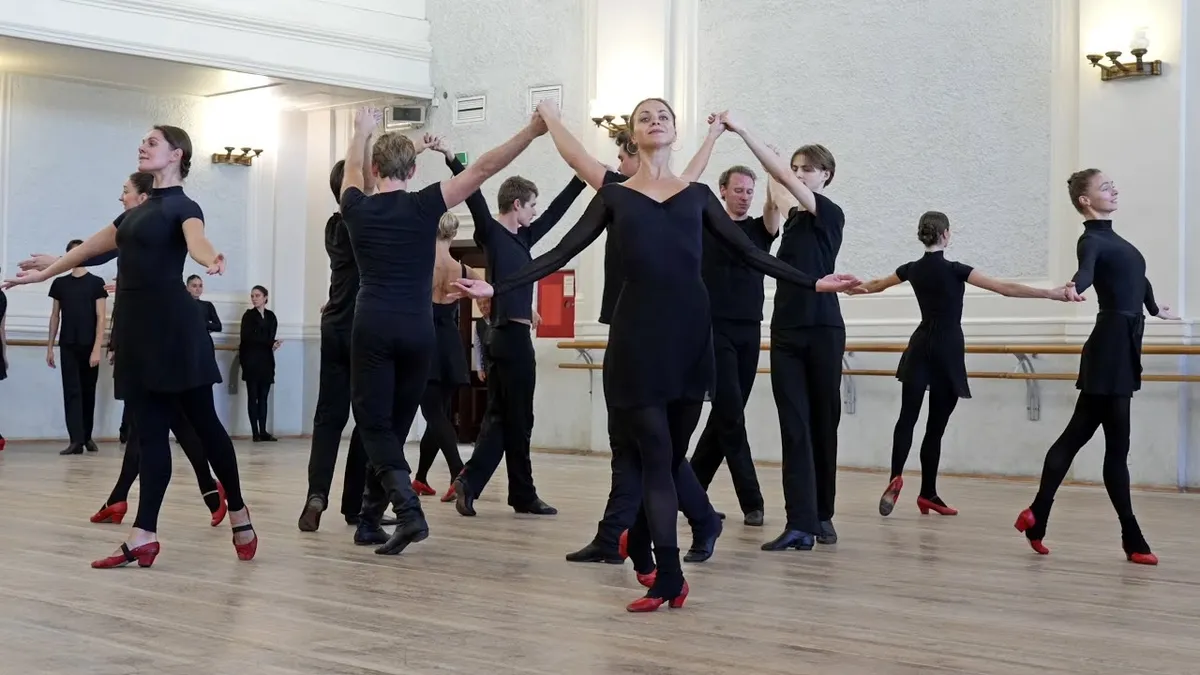
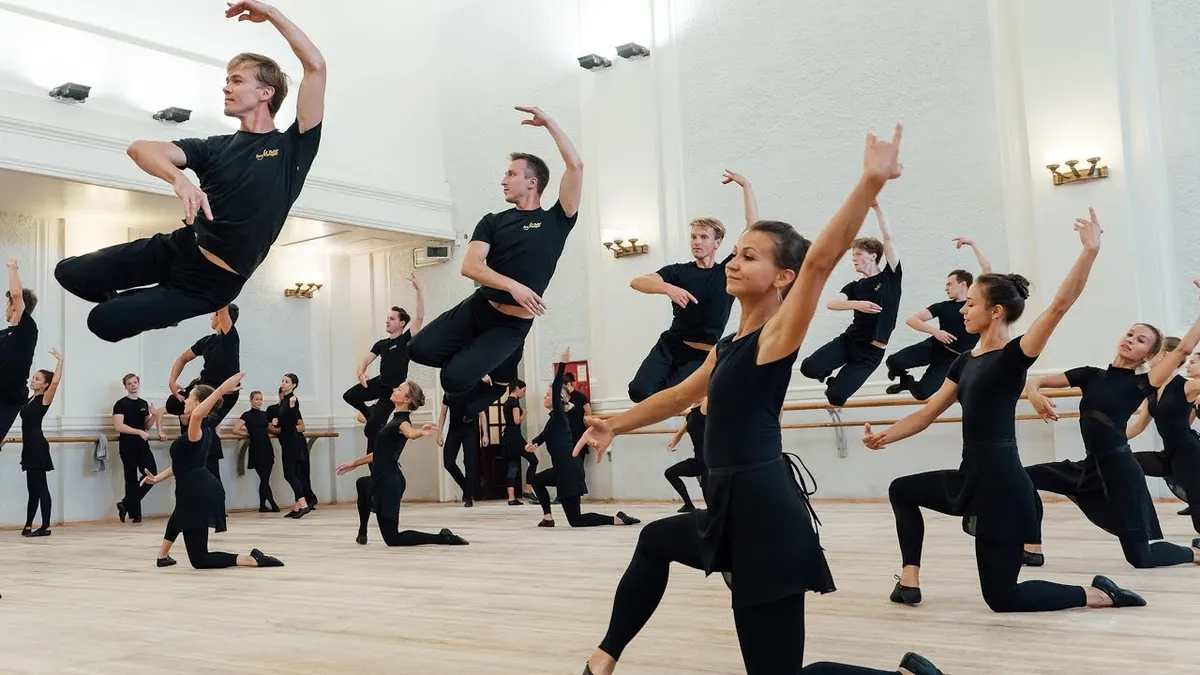
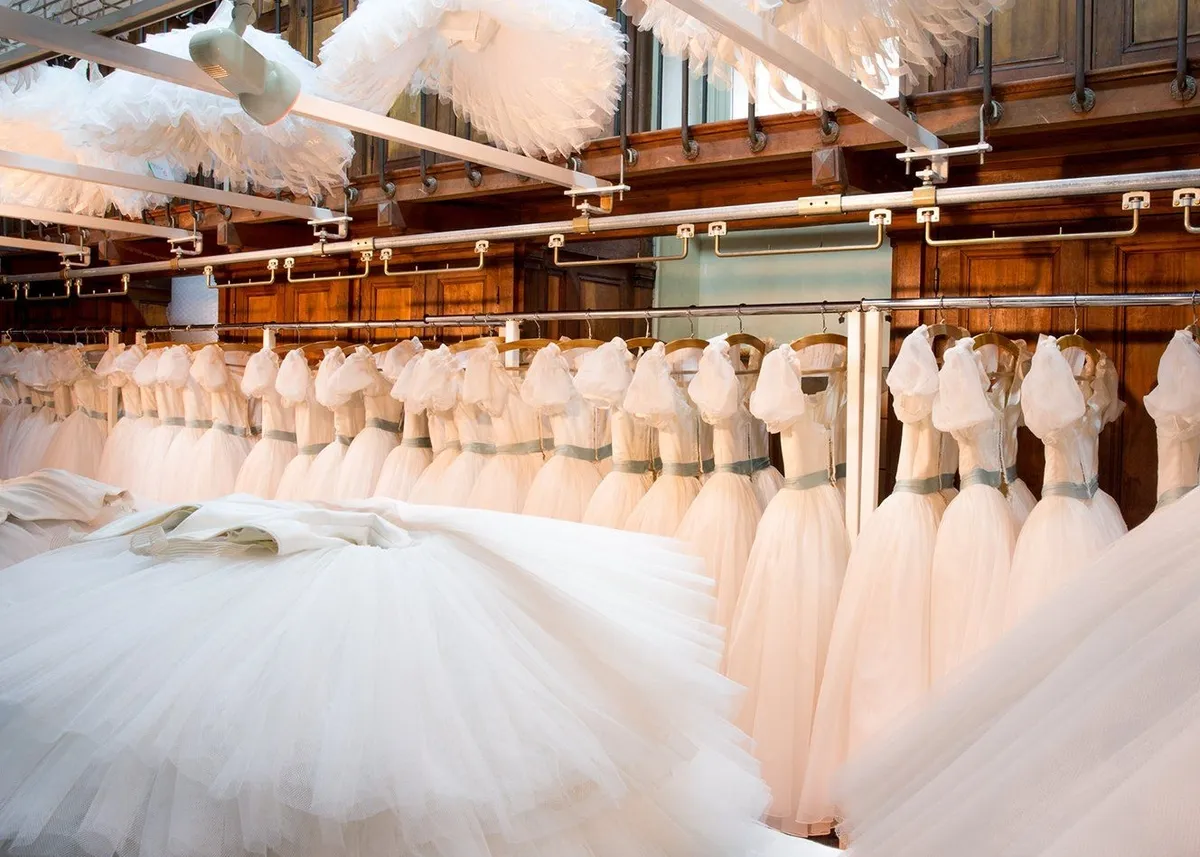
It is extremely common for multiple performance casts to assimilate and practice complex variations simultaneously. If the work is scheduled daily on the billboard, these groups replace each other fluidly; in large choreographic institutions, the number of these "teams" in reserve can reach the astonishing figure of twenty groups.
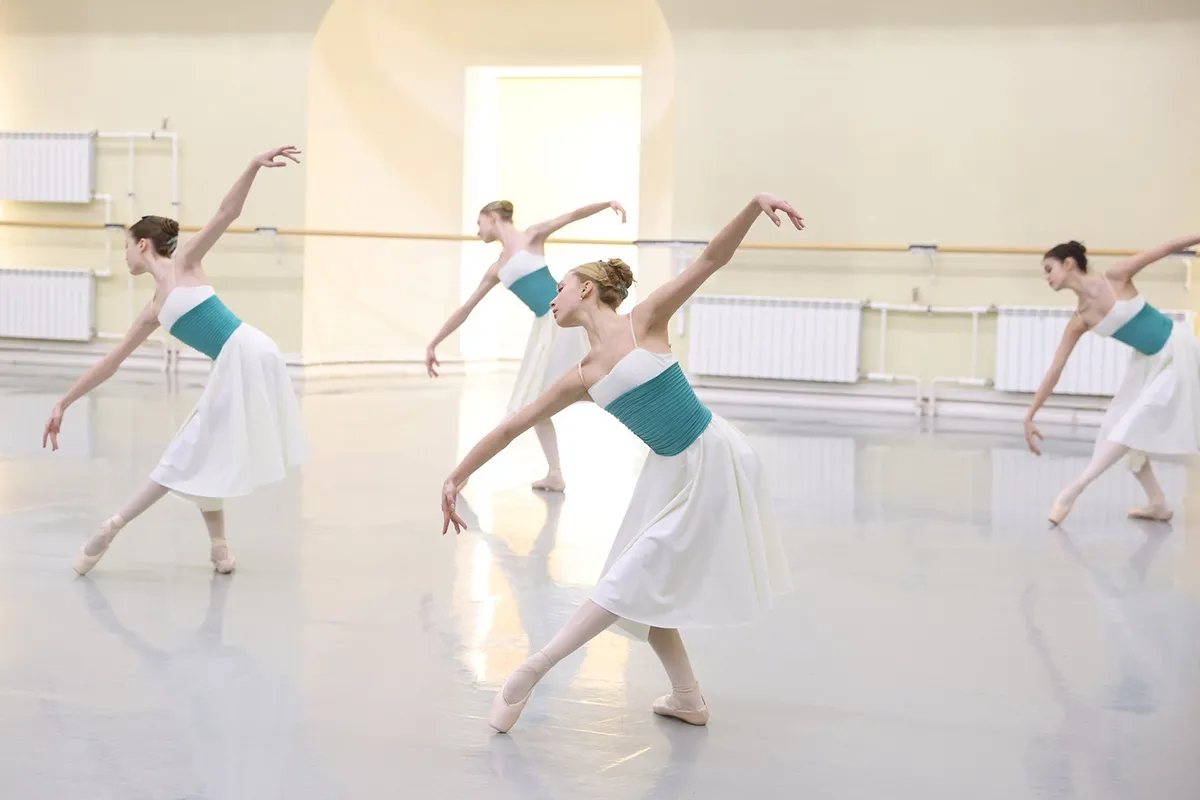
In contrast, the corps de ballet (corps de ballet) remains unalterable in its collective structure, sustaining the framework of the work even when theaters inject guest soloists from other provinces or abroad.
The Art of High-Resistance Self-Makeup
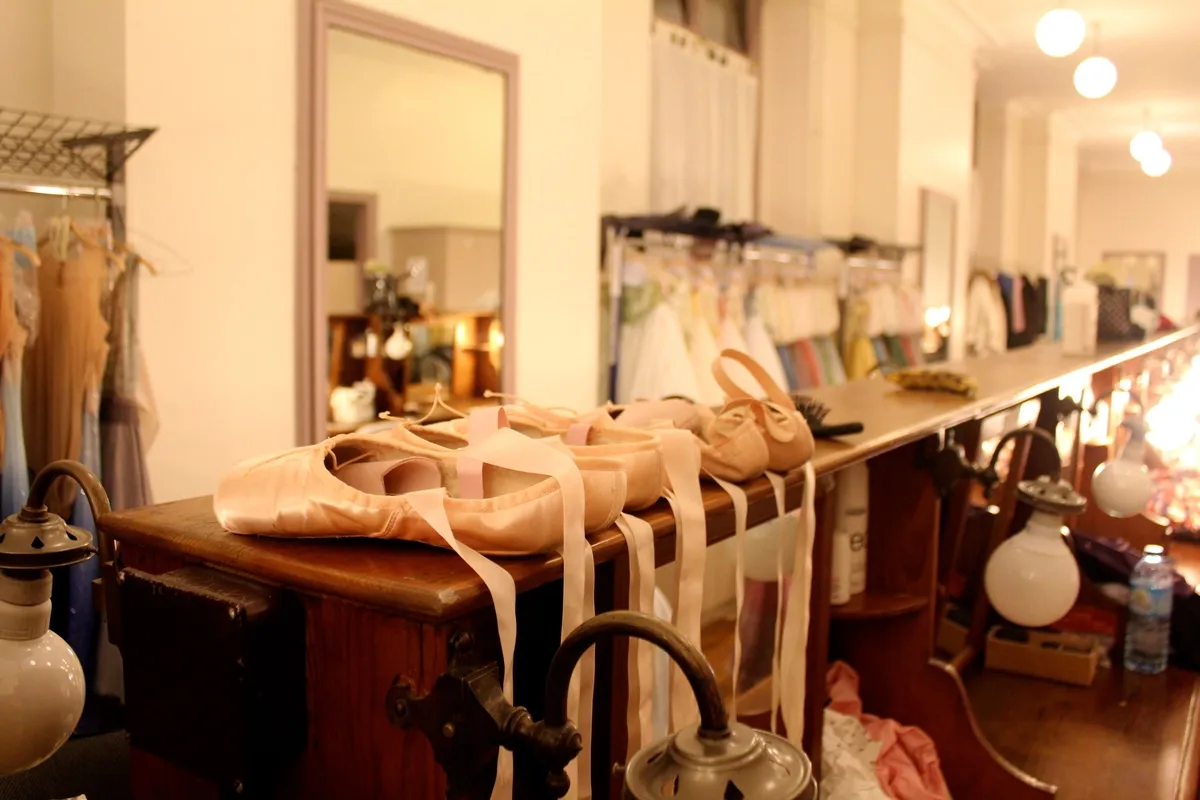
Before the spotlights are turned on, inside the dressing rooms behind the scenes, dancers apply makeup with their own hands. This custom is rooted since the choreographic academies, where self-makeup is taught as a mandatory subject of the professional career, proving of tremendous utility during international tours or independent company galas.
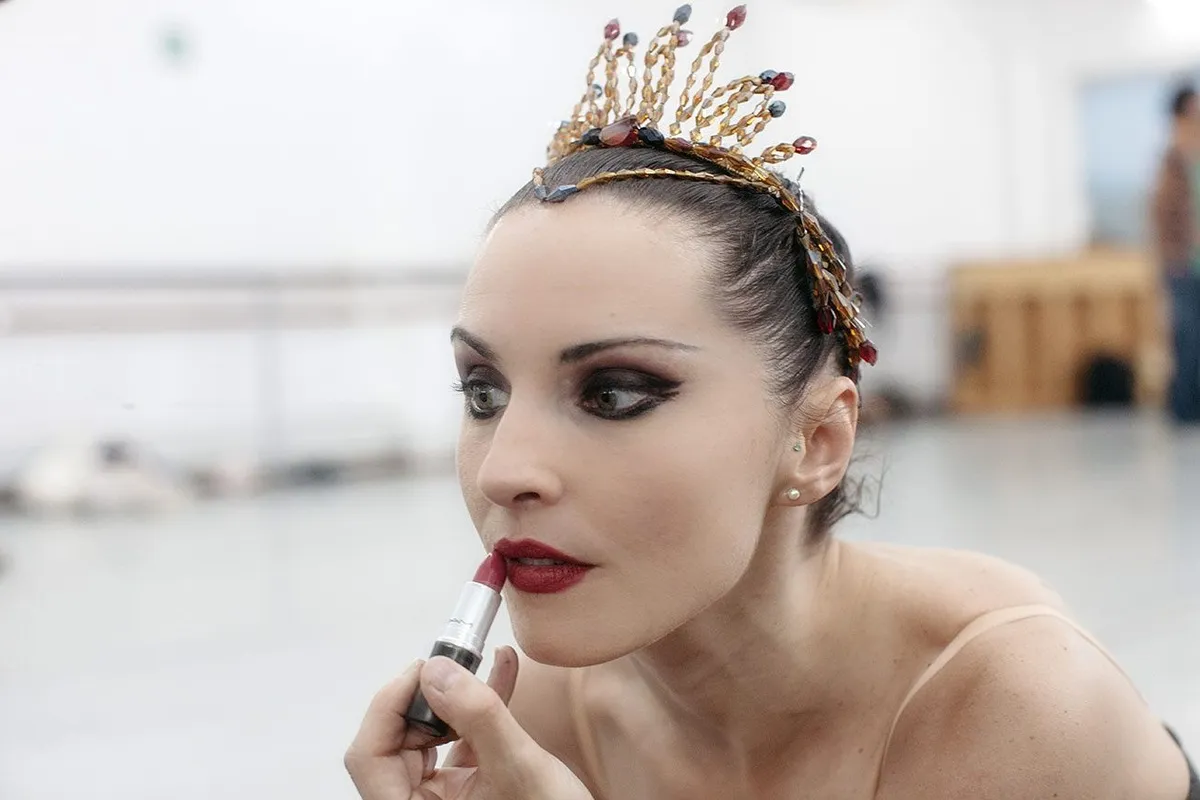
Unlike the characterization techniques of conventional dramatic theater, ballet makeup incorporates notably oversized elements: colossal eyeliner arrows on the eyes, dense tightly profiled eyebrows, and large false eyelashes.
This technical excess responds to an optical necessity: facial features must be legible to a spectator situated in the last row of the amphitheater under powerful lighting spotlights. As a subtle detail, artists prefer to dispense with traditional greasy theatrical pigments, resorting instead to common commercial cosmetics of high-end and high resistance to sweat.
The Disappearance of Extreme Diets from the Last Century
In the middle of the last century, the celebrated and rigorous choreographer George Balanchine imposed an aesthetic canon of extreme thinness on the lines of his ballerinas, immortalizing in dressing rooms his famous and controversial demanding phrase: "I want to see your bones!".
Fortunately, in the restoration of contemporary ballet, actresses no longer subject themselves to those nutritional tortures. In the physics of partnering and lifts, the determining factor is not the net weight of the ballerina, but her technical capacity and muscular drive to help her partner, executing high-amplitude jumps through the elastic strength of her legs.
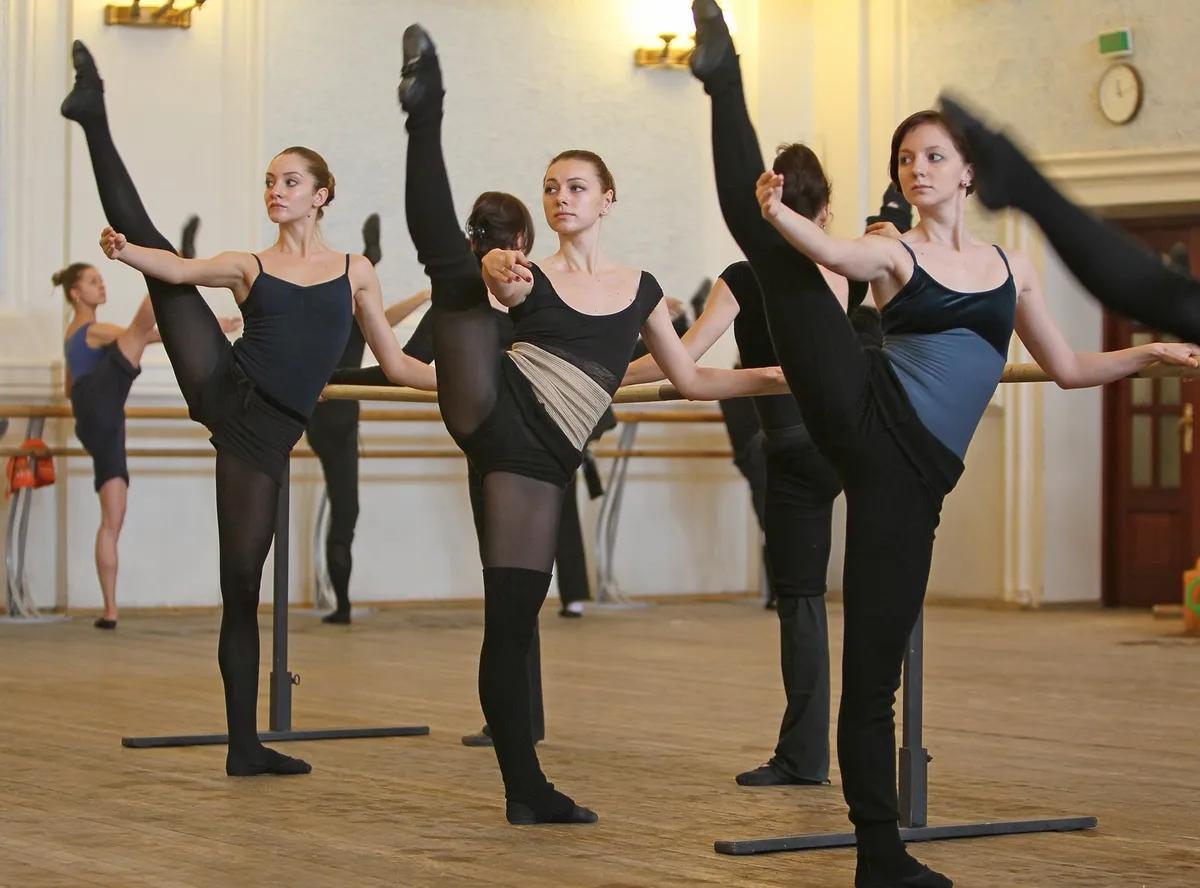
Of course, ballerinas meticulously audit their figure based on healthy, low-calorie eating, limiting the consumption of refined sugars and flours. However, these calories are burned naturally throughout extenuantes daily eight-hour shifts of bar classes and rehearsals. During the course of a high-demand gala on stage, a dancer can lose between two and three kilograms of weight due to energy expenditure.
The Tyranny of Time: No Pauses or Margin for Error
On the boards, couples execute fascinating feats: jumps in perfect extensions, turns on the tips of the toes, fluid pirouettes, and complex series of fouettés that defy gravity, without granting themselves a single second of truce.
If in a dramatic theater play an actor experiences a memory lapse, they have the resource of dilating the tempo or improvising lines to regain the thread; in classical ballet, forgetting the choreographic "text" constitutes an irreparable error that drags the entire orchestra and production to absolute failure. Each musical measure is strictly timed by seconds; the ability to stop to catch one’s breath simply does not exist.
Pain Fatigue and the Triumph of Plisetskaya
Due to the massive accumulation of physical workloads, dancers’ joints and muscles coexist with a dull and constant ache—a phenomenon baptized in sports medicine as pain fatigue. Throughout rehearsals and performances, dislocations, sprains, and fibrillar micro-tears are recurrent accidents; however, artists make every effort to finish the presentation before turning to the medical corps.
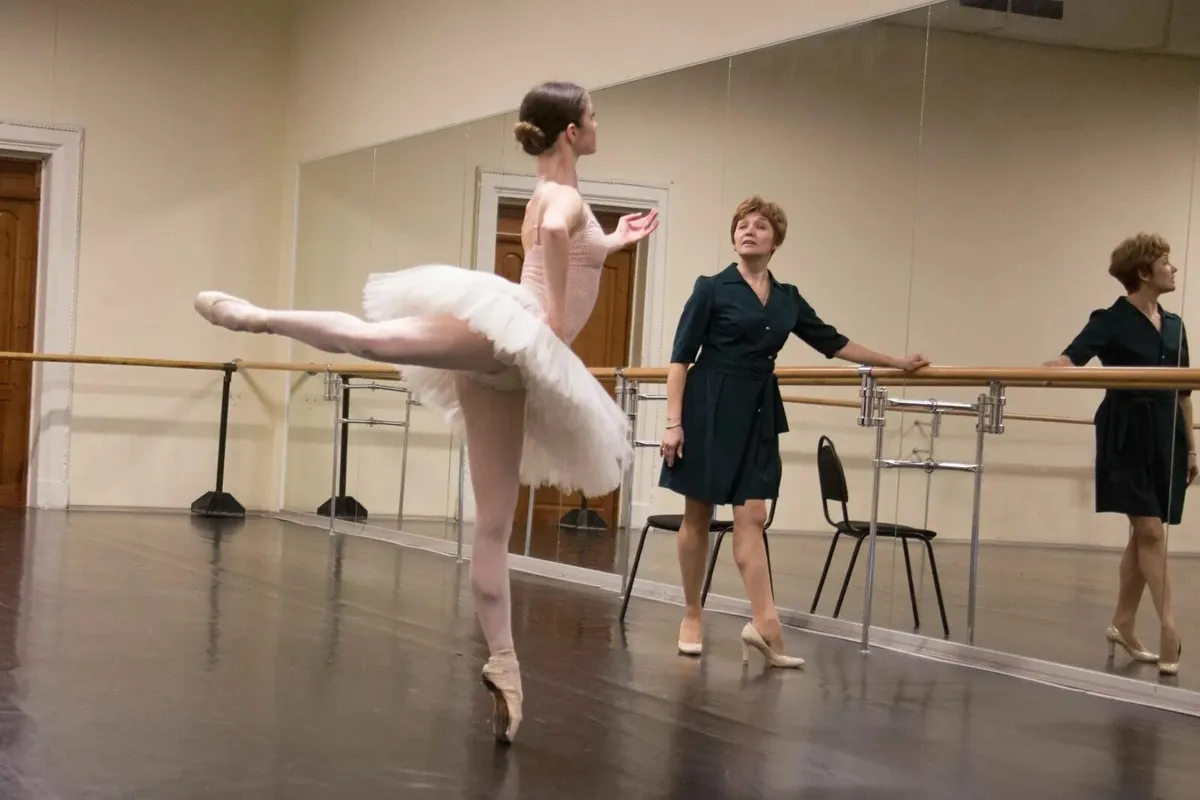
An imposing example of this fortitude occurred in the year 2000 at the Mariinsky Theater, when prima ballerina Ulyana Lopatkina suffered a severe ankle injury in the middle of the performance of La Bayadère; Lopatkina continued dancing on point until the final curtain fell, despite the fact that the severity of the damage subsequently forced her to withdraw from the stage for several years to undergo surgeries.
On the other hand, this intense bodily discipline endows dancers with an extraordinary physical longevity: the legendary and eternal prima ballerina assoluta Maya Plisetskaya commemorated her 80th birthday by stepping onto the boards of the Bolshoi Theater in Moscow to delight the public with a gala dance number, demonstrating an impeccable elasticity.
The Claque: The Paid Spectators of the Auditorium
The universe of ballet unfolds both on the stage floorboards and in the seats of the hall. Historically, the careers of novice artists or grand productions have relied on the figure of clackers: people specially hired and strategically distributed throughout the auditorium whose sole mission consists of bursting into applause, cheering, and shouting "bravo!" at the ideal musical instants.
These ovation professionals are situated in an isolated manner in boxes and areas where the acoustics of the hall multiply the echo, generating in the rest of the public the optical and auditory illusion that a unified crowd acclaims the dancer. Likewise, they are responsible for throwing bouquets of fresh flowers onto the proscenium at the moment of bows, a service financed directly by the artists themselves to spur their reputation.
As a murky commercial counterpart, it is noted in the annals of Russian theater that unscrupulous competing factions occasionally resorted to hiring a "boycott claque" with the explicit purpose of booing or hissing to sink the debut of a rival ballerina. The ballet pit safeguards fascinating secrets.
Do you wish to attend the most exclusive ballet galas at the Bolshoi or Mariinsky theaters and secure your preferred seats without the complications of the international banking block? We take care of your management. Contact our travel advisors directly or discover the shows of the season by exploring our Tickets Catalog in Russia.