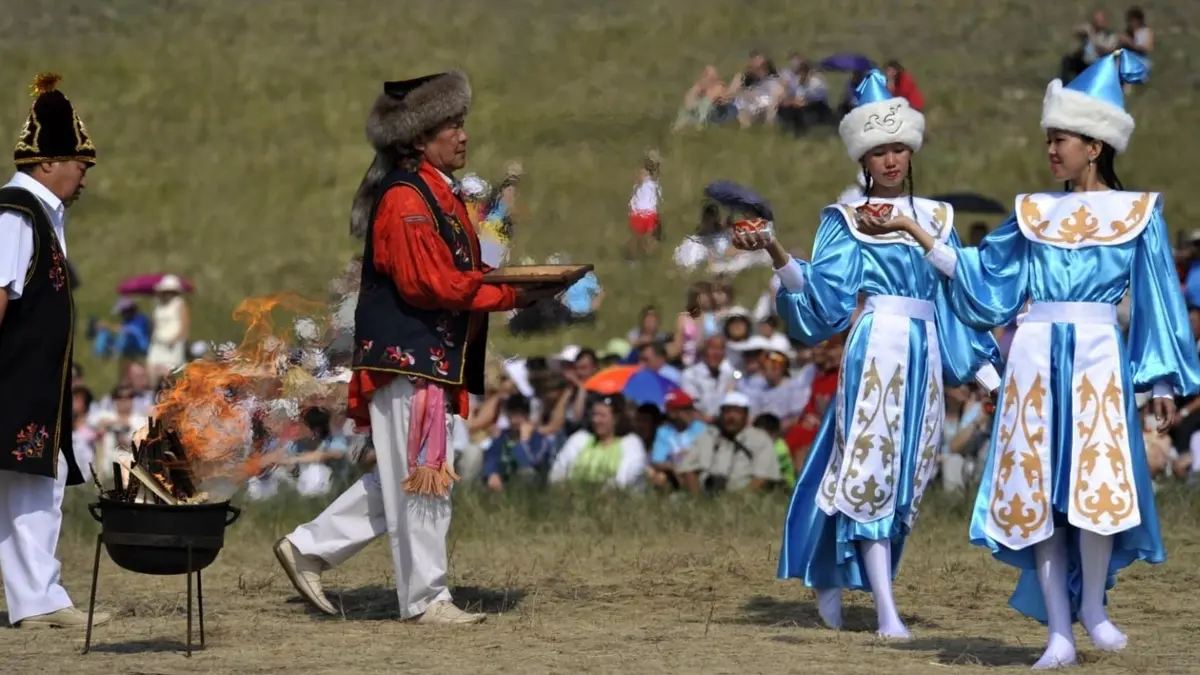
The art of the circus, conceived under the parameters of modern spectacle, formally arrived in Russia during the 17th century. In those initial centuries, groups of wandering foreign artists traveled through imperial squares demonstrating the wonders of walking a tightrope, exposing clever prestidigitation tricks, and skillfully entertaining local passersby.
As the 18th century set in, Russian acrobats and comedians began to associate in an organized manner, structuring the first native companies. One hundred years later, the first permanent stationary circuses sprouted within the capitals—solid infrastructures that, to a large extent, continue to operate in grand style well into the 21st century.
The Nikitin Brothers and the Birth of the First Stationary Circus
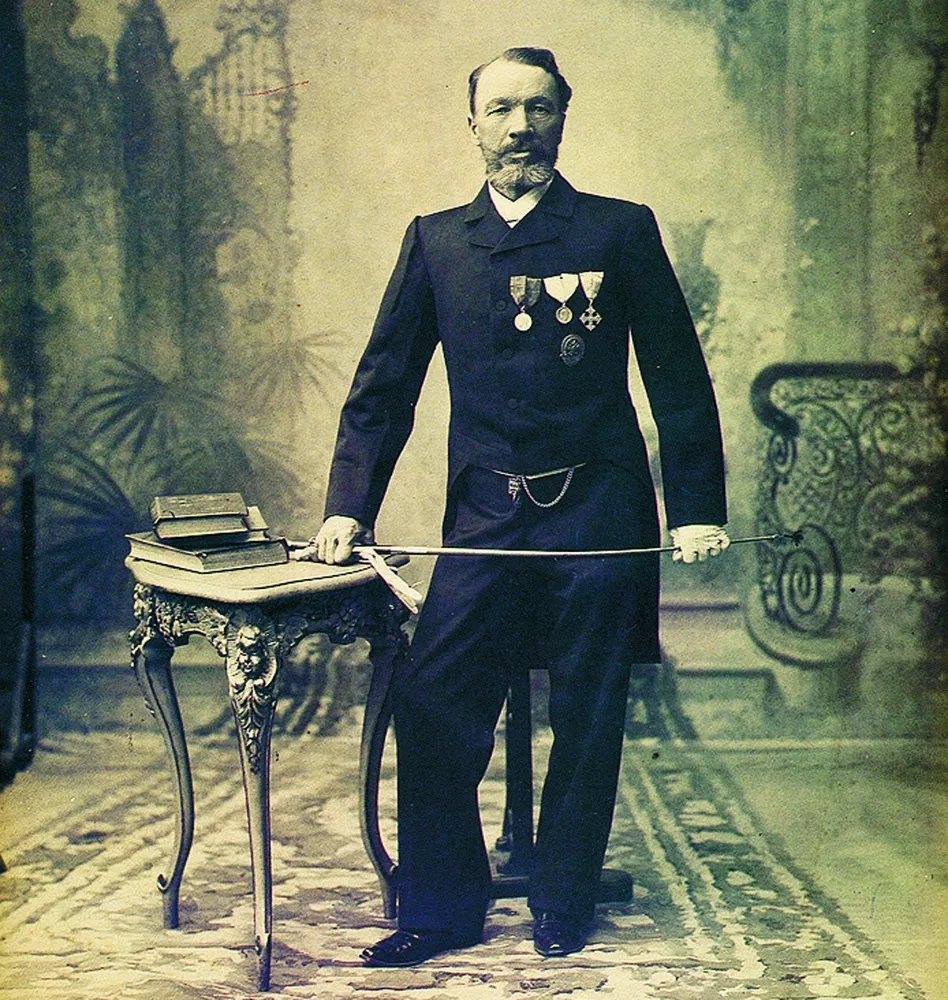
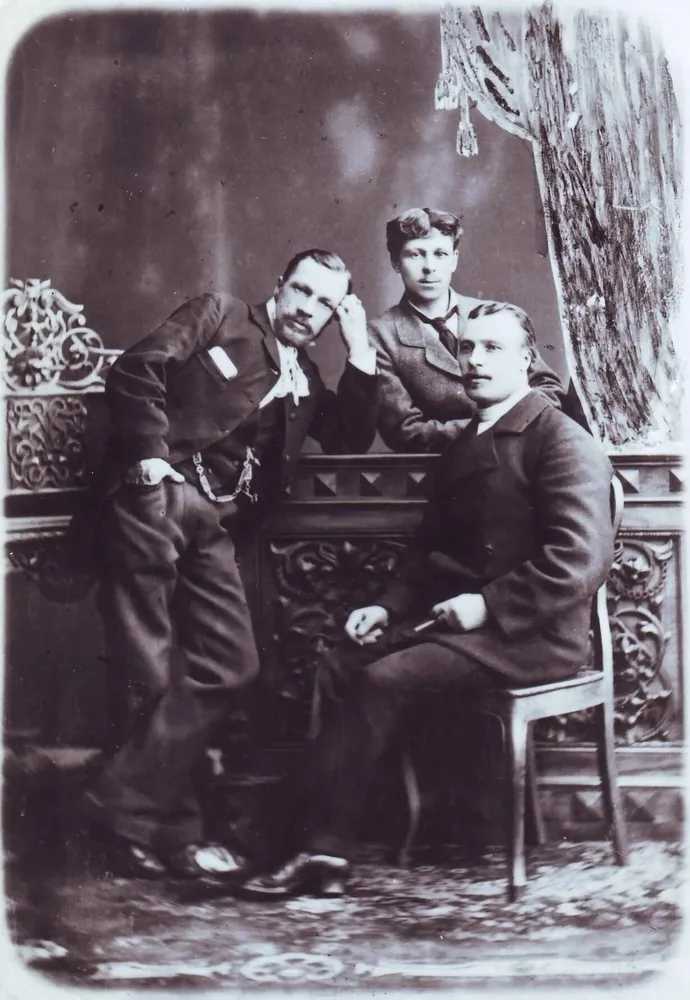
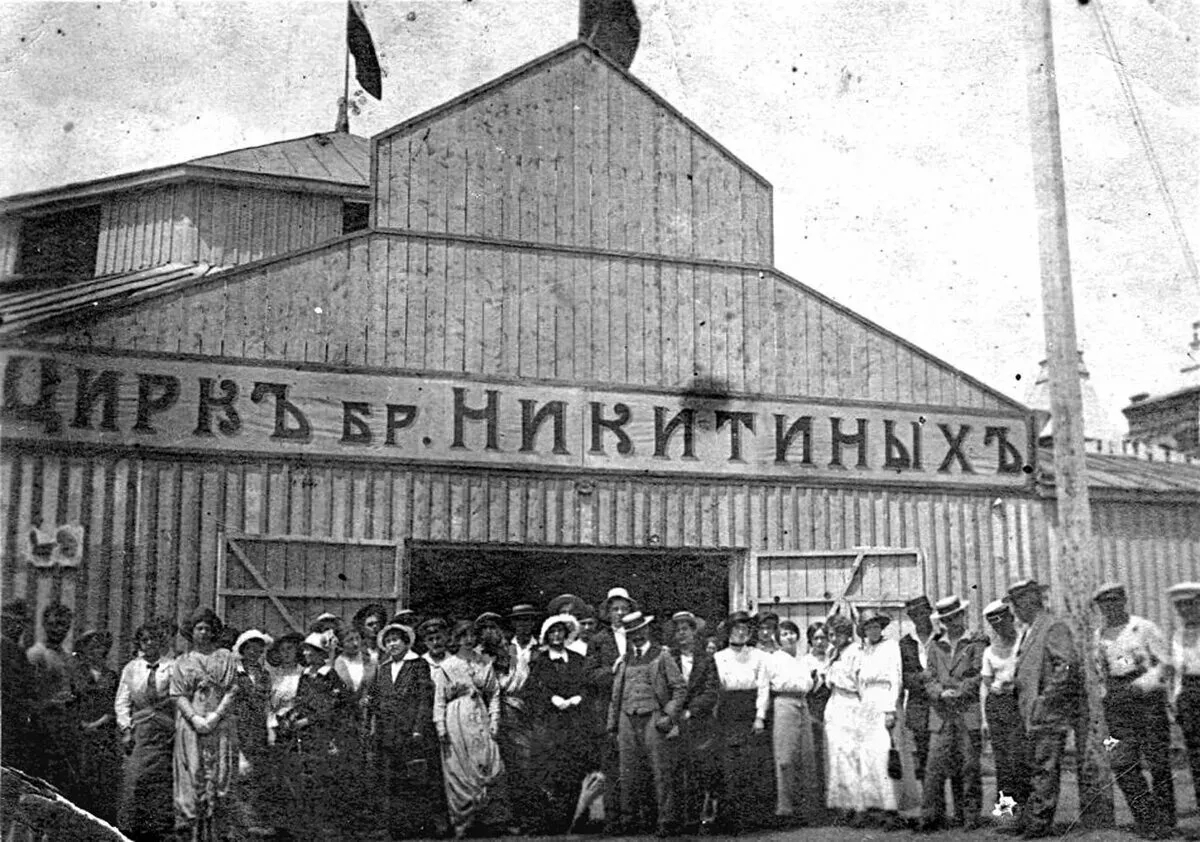
The legitimate founders of the first permanent circus in Russian history were the brothers Dmitri, Akim, and Piotr Nikitin. Being the sons of a serf, they were immersed from early childhood in the rawness and artistry of itinerant circus life. The moment their progenitor obtained legal freedom, he packed a wagon and took his children on a long tour along the Volga River basin, securing their daily livelihood through juggling, acrobatics, and street musical performances.
Each of the young men performed a specific liturgical role in the ring with precision: Akim consolidated himself as the main character of the comedy, acting as a clown and mastering multiple musical instruments; Piotr astonished the audience by showing a colossal physical strength and athletic prowess, while Dmitri exercised the functions of director and jester in front of the public.
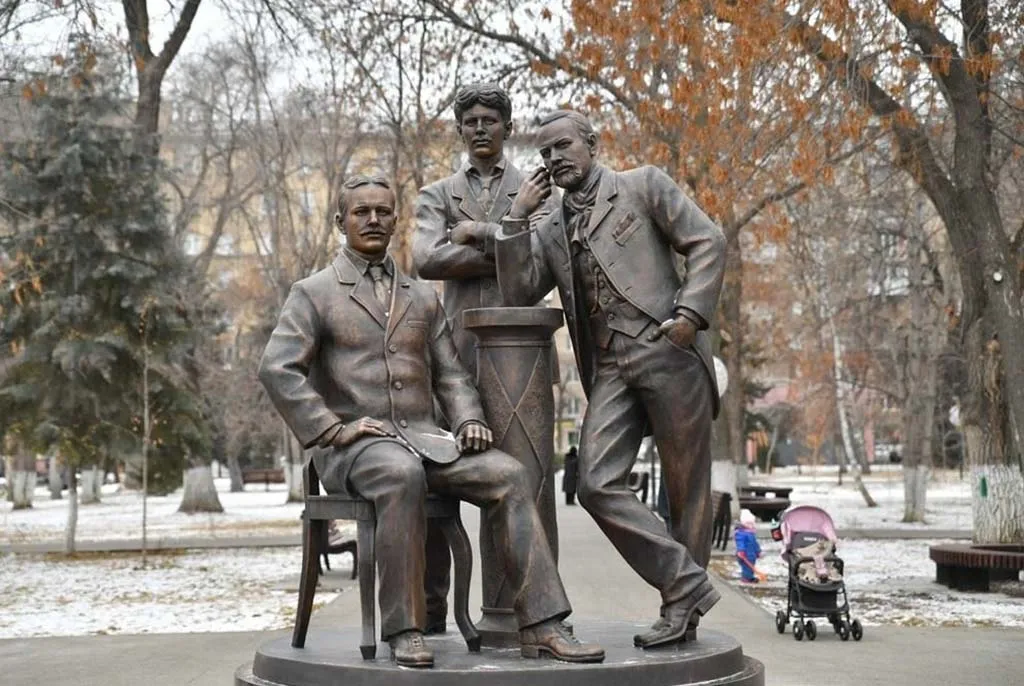
Their journey stopped strategically in the city of Penza, where in 1873 they inaugurated the nation’s first stationary circus, rustically baptized as “The Ice Palace”. On the frozen banks of the Sura River, the brothers drove a series of wooden piles over which they installed posts secured firmly with ice blocks; they covered this simple structure with an immense canvas canopy and began performances. However, upon the arrival of the spring thaw, they were forced to stop operations entirely due to the risk of collapse.
Three years later, in 1876, the Nikitins expanded their business by founding the Saratov Circus, purchasing the wooden facilities of a local entrepreneur named Emmanuel Baranek. This ring remained vibrant until late 1928, maintaining a sacred artistic condition that the brothers proudly defended: in their arena only native Russian artists were allowed to perform, breaking the monopoly of foreign companies.
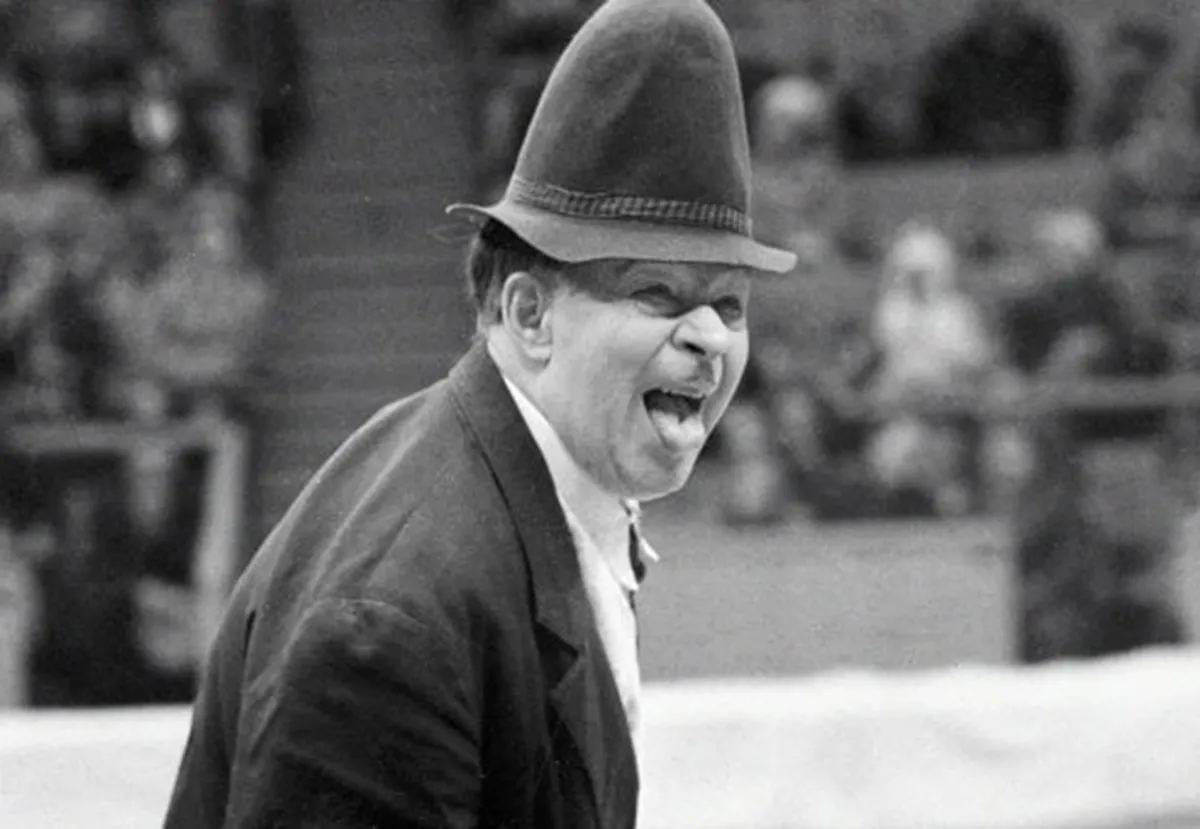
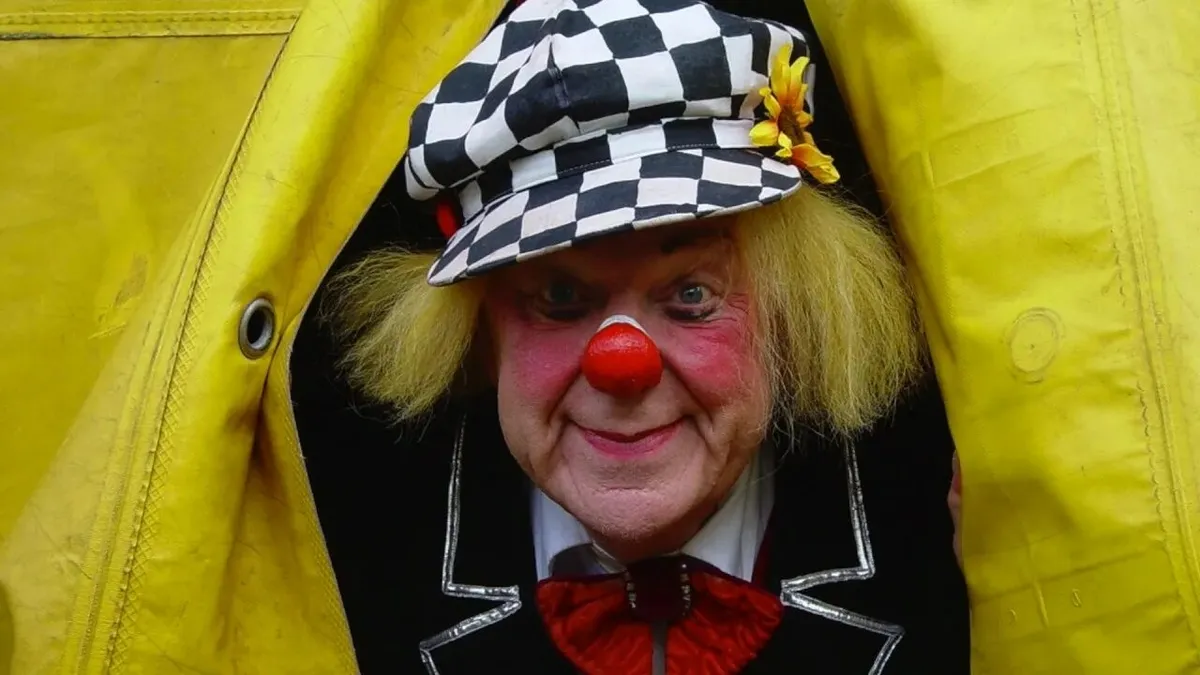
The subsequent stone building of the Saratov Circus was designed by the celebrated architect Vladimir Vilensky (famous for designing several of the most artistic stations of the Moscow Metro). It was on that sawdust where legendary comedians of the stature of Pencil (Mikhail Rumyantsev) and the “Sunny Clown” (Oleg Popov) began their world-class careers, and where master trainers Mstislav and Walter Zapashny forged their schools of wild beasts.
The Ciniselli Circus of St. Petersburg: The Stone Palace
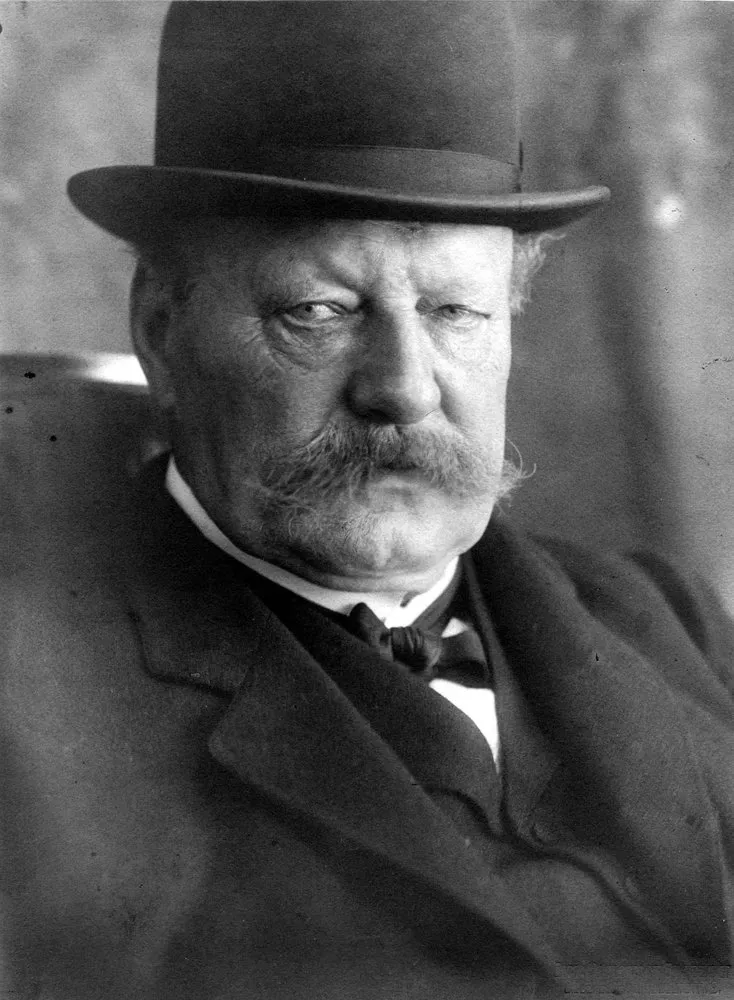
The definitive turning point for the entrenchment of the show in the Venice of the North occurred with the landing in the city of the prestigious touring company of the Austrian equestrian artist Karl Ginne. Ginne was deeply stupefied to verify the total absence of a permanent circus building in the fastuous capital of the Russian Empire; moved by a sharp commercial instinct, he rented land on the banks of the Neva River and financed the construction of a large wooden amphitheater out of his own pocket.
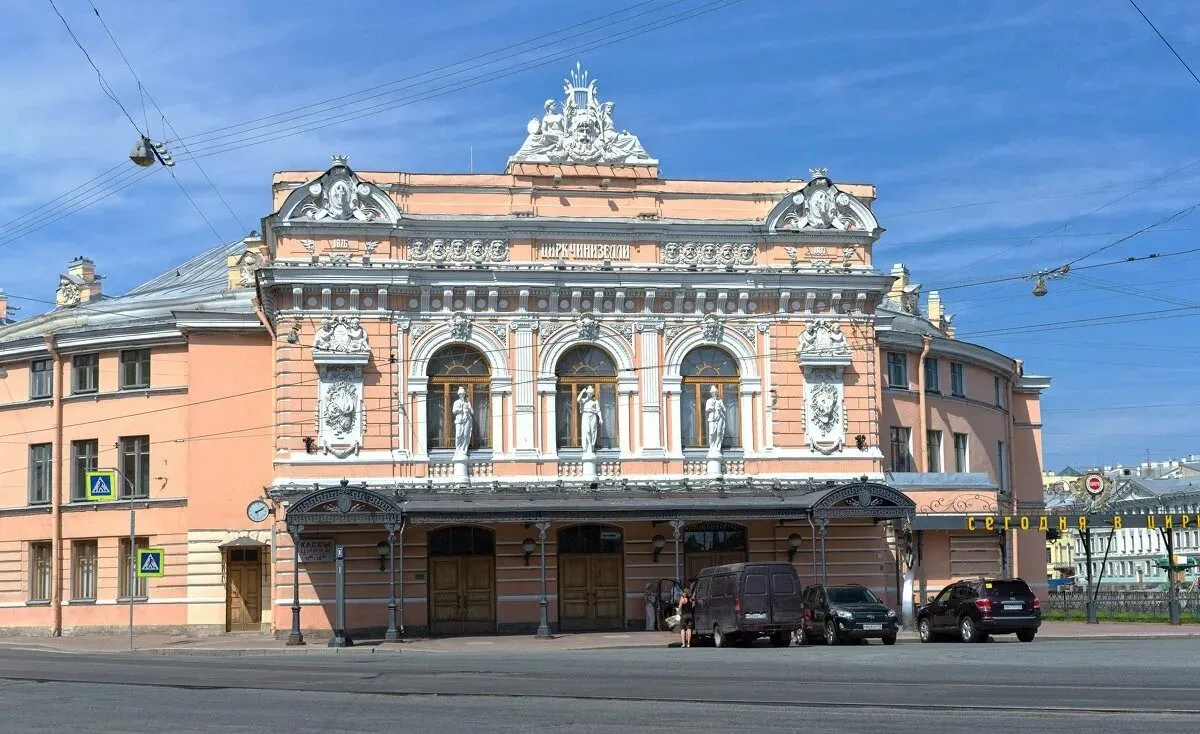
Years later, when Ginne retired from activity, the infrastructure passed into the hands of his son-in-law, the aristocratic Italian rider Gaetano Ciniselli, who assumed the ambitious mission of building the first grand stone circus in Russia. Ciniselli deployed his courtly influences until personally persuading the tsar to grant him a privileged piece of land right in the historical center of St. Petersburg, on the embankment of the Fontanka River.
It was there where the Ciniselli Circus was inaugurated in 1877—a jewel of architecture provided with a self-supporting dome without intermediate columns that allowed perfect visibility from any seat and that continues to operate with a supreme standard of distinction to this day.
The Moscow Circus on Tsvetnoy Boulevard and the Legacy of Yuri Nikulin
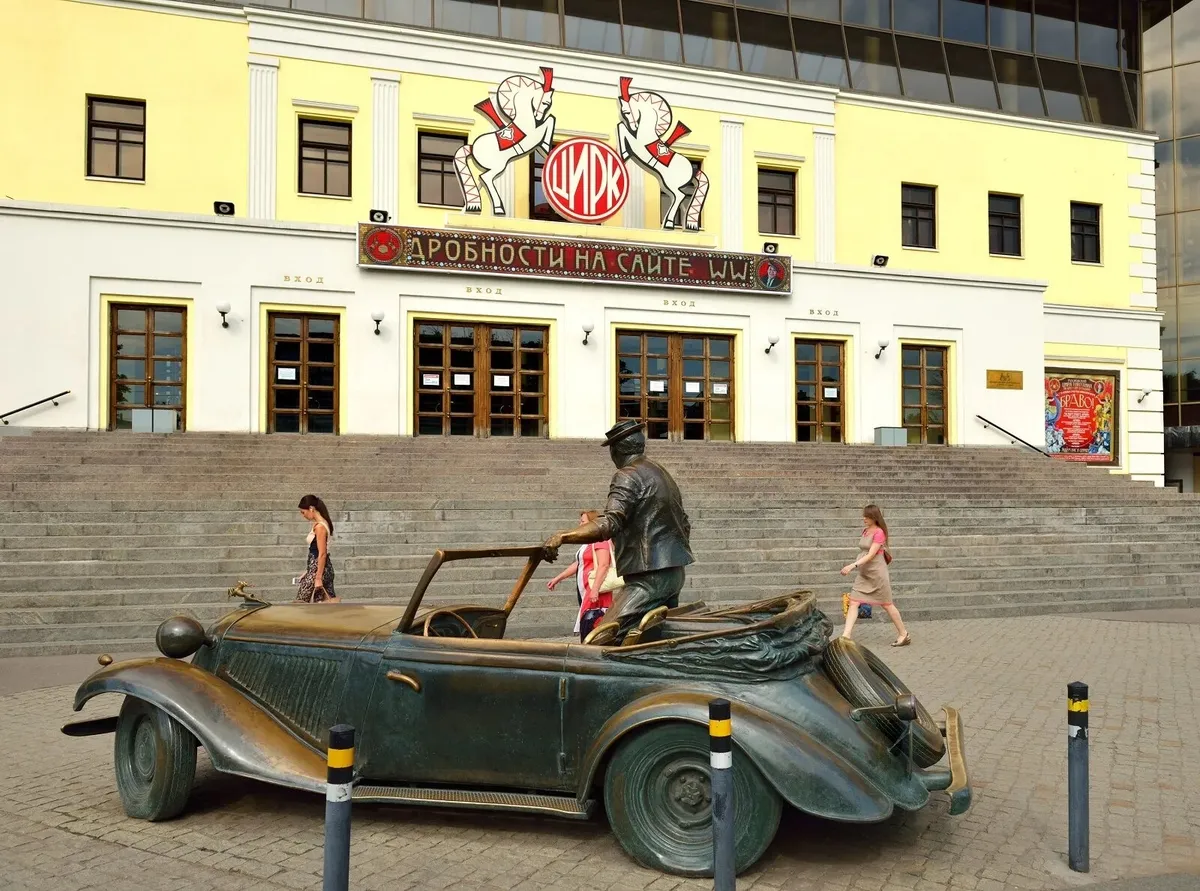
The first permanent circus of the capital triumphantly opened its gates on Tsvetnoy Boulevard in 1880. Its founder, the visionary Albert Salamonsky, inscribed his name in letters of gold within the Slavic culture by becoming the creator of the first educational performances adapted exclusively for children. Until the appearance of the Salamonsky Circus, arenas programmed numbers of marked sensuality or extreme risk strictly oriented toward an adult night audience.
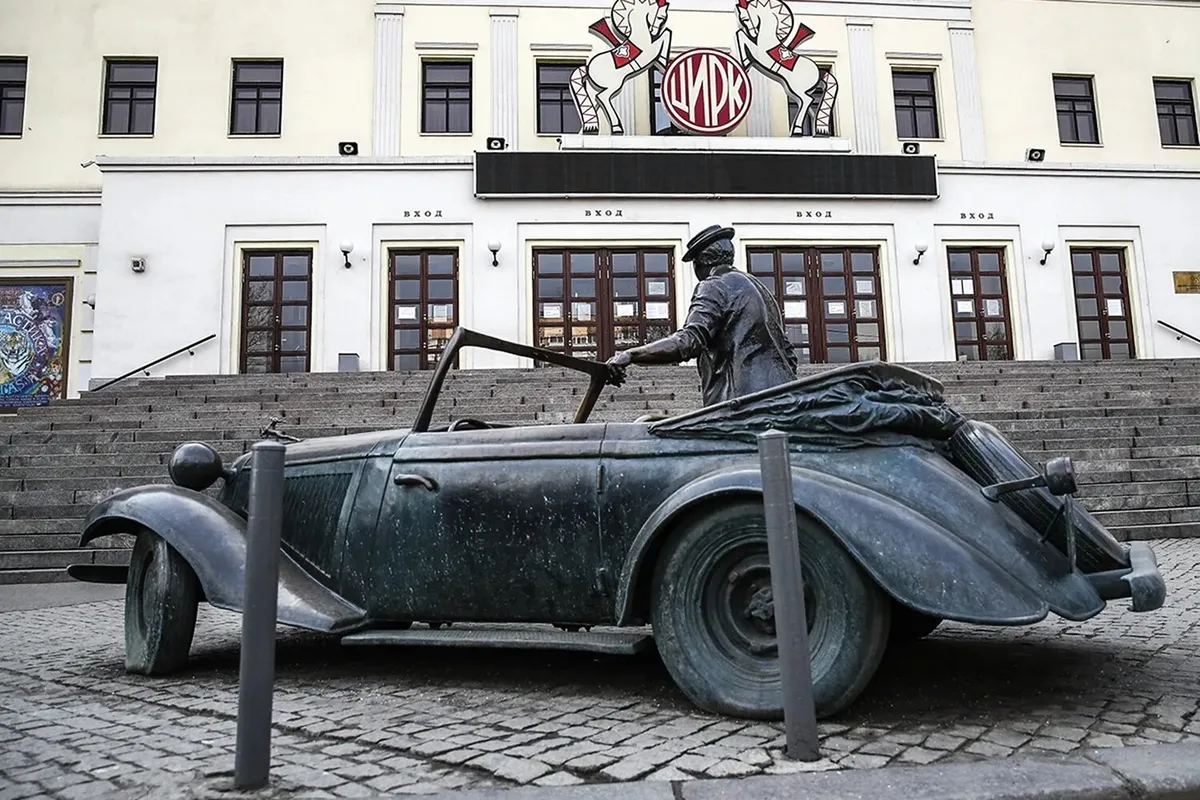
Salamonsky revolutionized the sector by introducing children’s Sunday matinees and the celebrated Christmas Trees of the circus, from which children left loaded with gifts and sweets. These performances immediately attracted the entire intellectual and literary elite of Russia; among its seats it was extremely common to find the writer Leo Tolstoy, the philosopher Pavel Florensky, or the poet Aleksandr Blok absorbing the magic of the ring.
Following the triumph of the October Revolution, the facilities on Tsvetnoy were nationalized by decree, transforming into the First Soviet State Circus. During the 1920s and 1930s, the communist government established state academies of circus art, managing to dispense with foreign acts and forging a school of acrobatics, aerial gymnastics, and comedy that stood at the global vanguard.
Even during the dark months of World War II, the circus on Tsvetnoy Boulevard never interrupted its performances. It adapted its acts to a theme of military resistance, sending brigades of artists to perform in the trenches of the battlefront to inspire morale in the soldiers.
Once the war concluded, the arena witnessed the birth of memorable choreographic productions such as Carnival in Cuba or Happy Sailing, filling the stands under the genius of mythical clowns like Leonid Kusko, Mikhail Shuidin, and the endearing Oleg Popov.
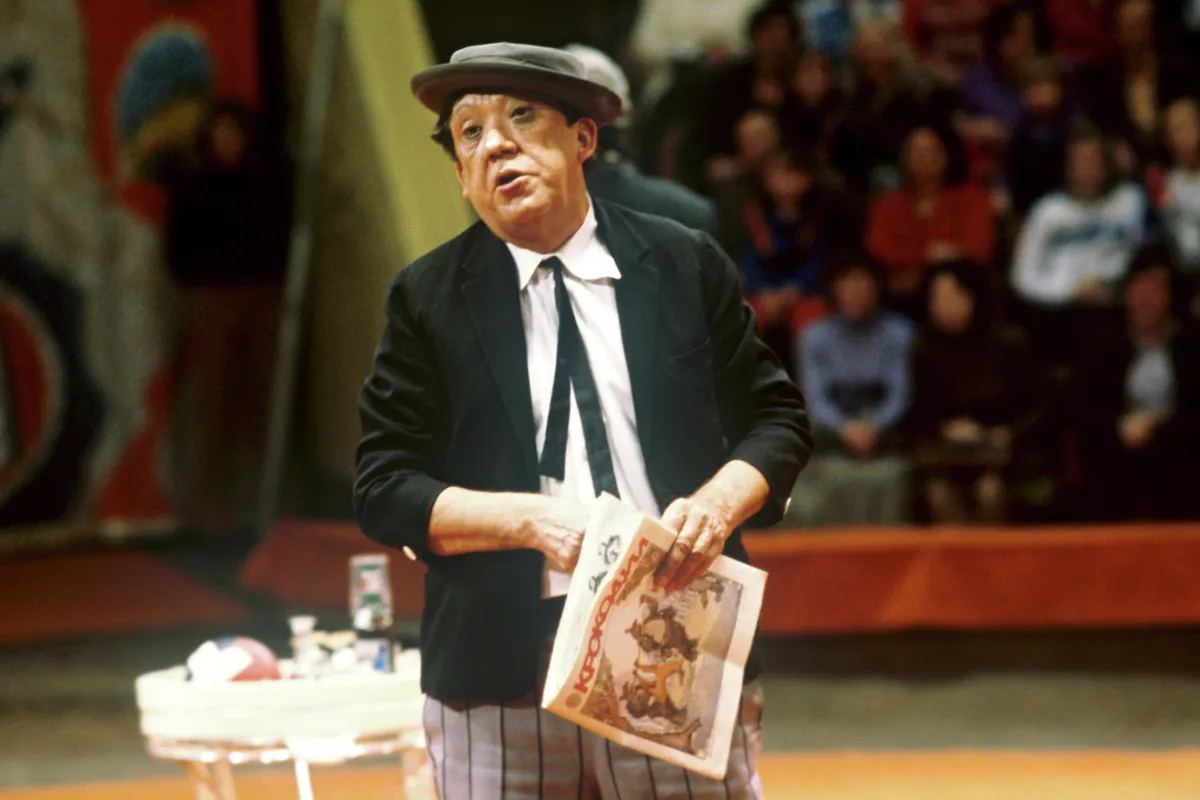
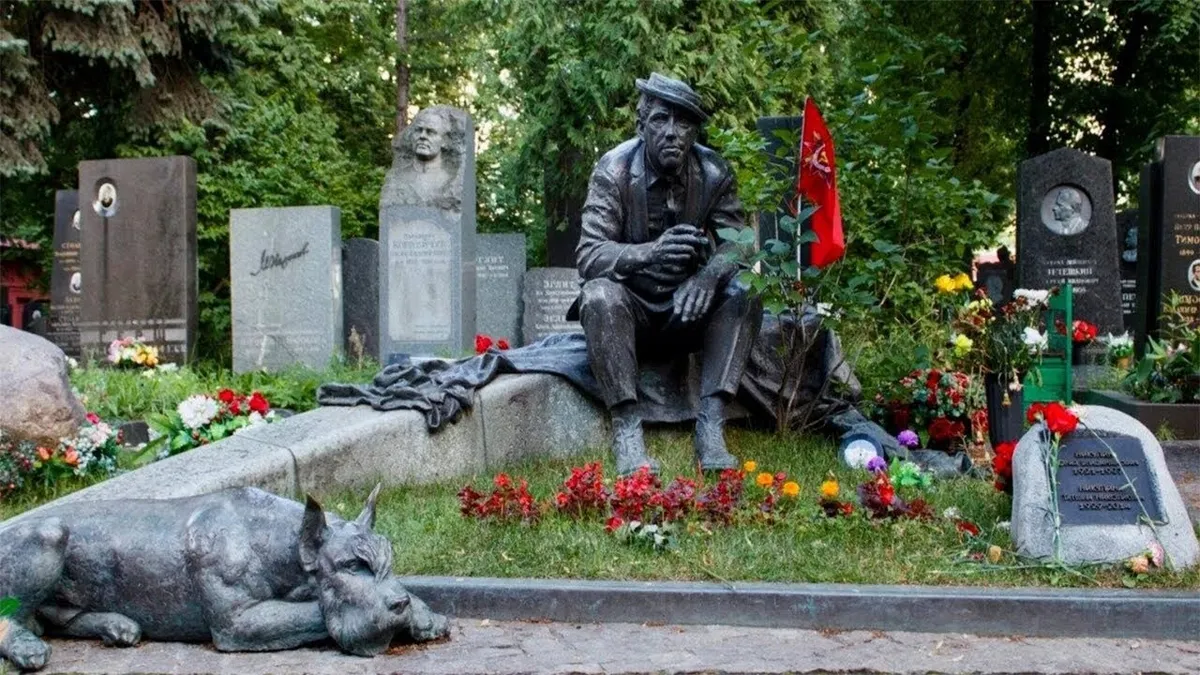
However, the most sacred, beloved, and respected figure of the institution was the brilliant actor and comedian Yuri Nikulin, who served as general director of the venue for decades and in whose honor the complex was officially renamed in 1996 as the Moscow Nikulin Circus.
Secure Your Tickets for an Imperial Evening
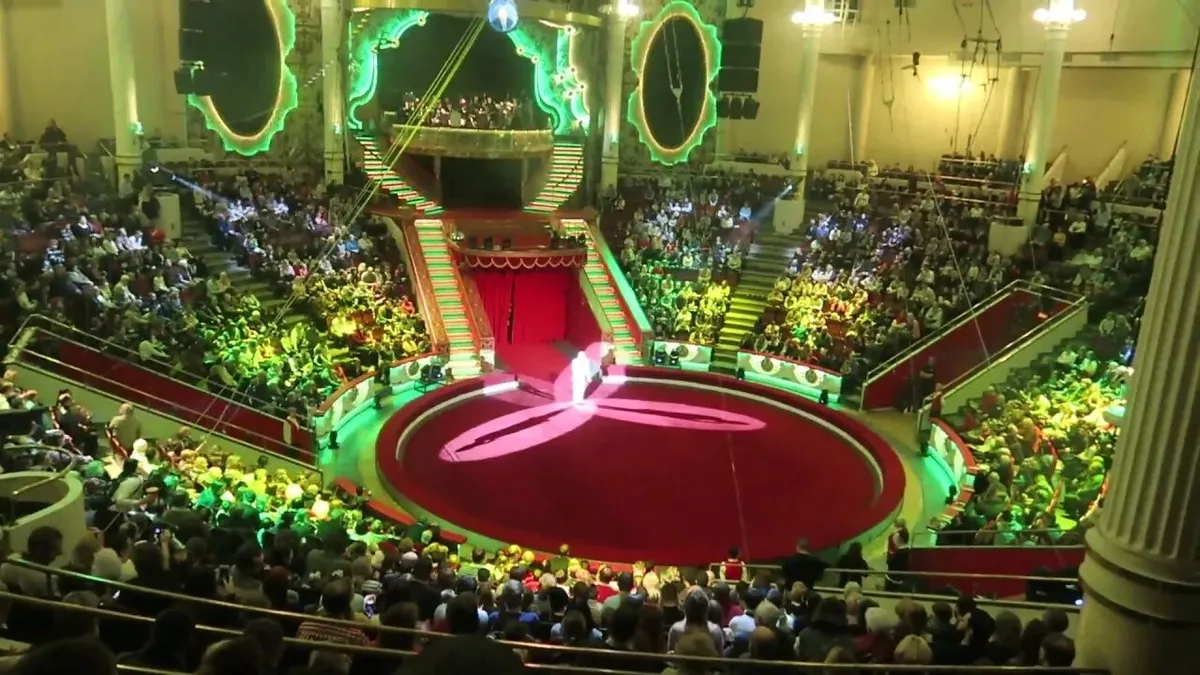
Attending a performance at the historic circos of Moscow or St. Petersburg constitutes one of the most spectacular and memorable cultural experiences that can be lived on a trip to Russia.
Due to its immense local prestige and the large influx of family audiences, seats for weekends usually sell out at official ticket offices months in advance.
If you have planned to travel to the country and wish to shield your peace of mind, our concierge service will take care of managing and reserving your preferred tickets with total financial transparency and before your flight begins.
Do you wish to immerse yourself in the magic of the equestrian circus of St. Petersburg or marvel at the acrobats of the Moscow Nikulin Circus with an impeccable VIP organization? We take care of coordinating your access. Contact our travel consultants or discover the shows by exploring our exclusive Tours Catalog in Russia.